Ghana’s ambition to expand access to clean cooking is confronting a difficult economic reality: millions of households continue to depend on firewood and charcoal, while the cost and availability of cleaner alternatives remain significant barriers to adoption.
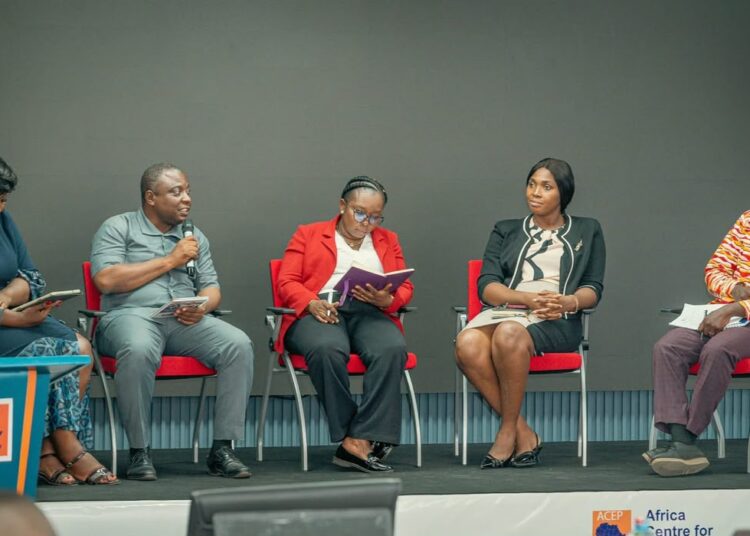
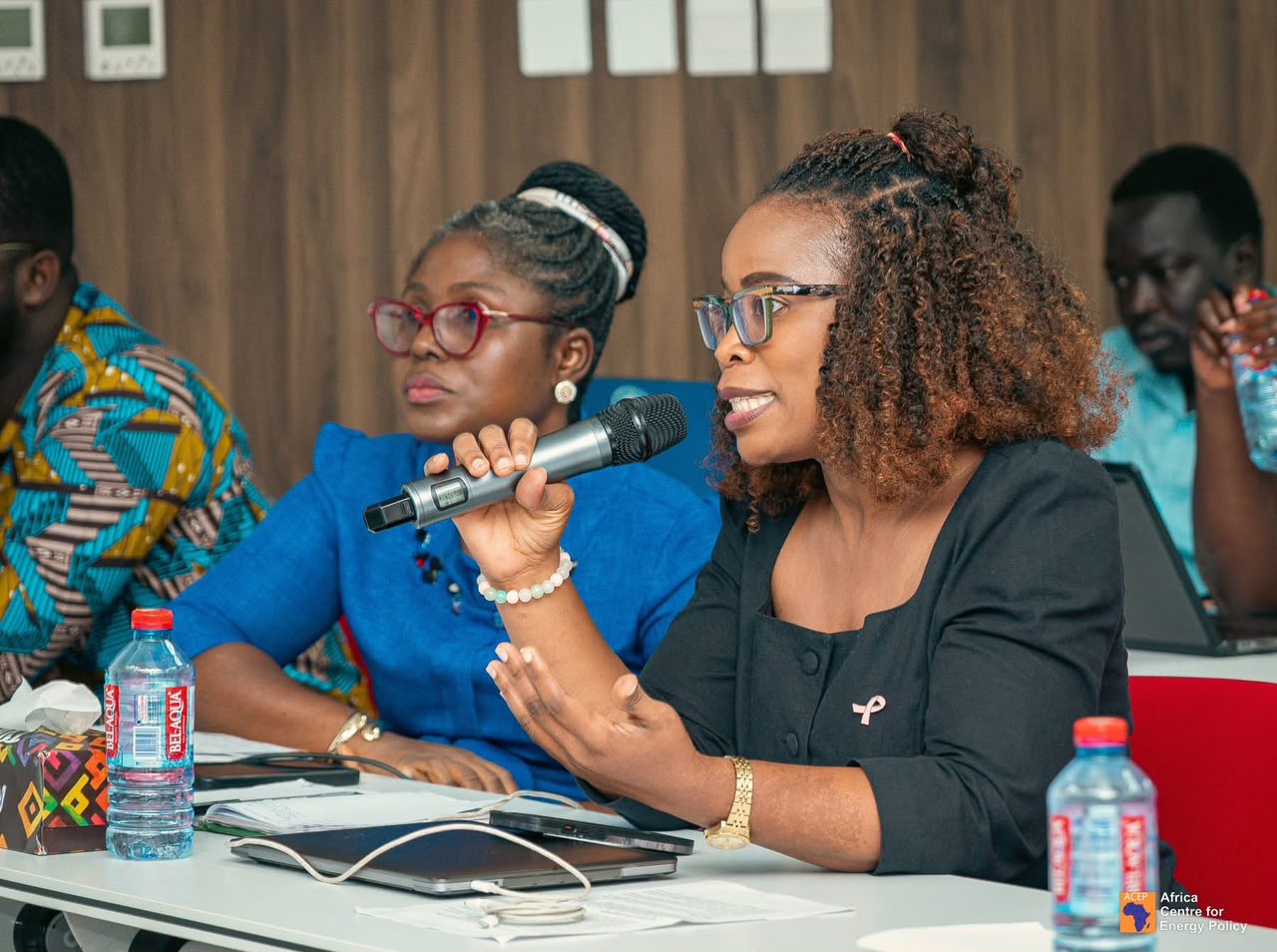
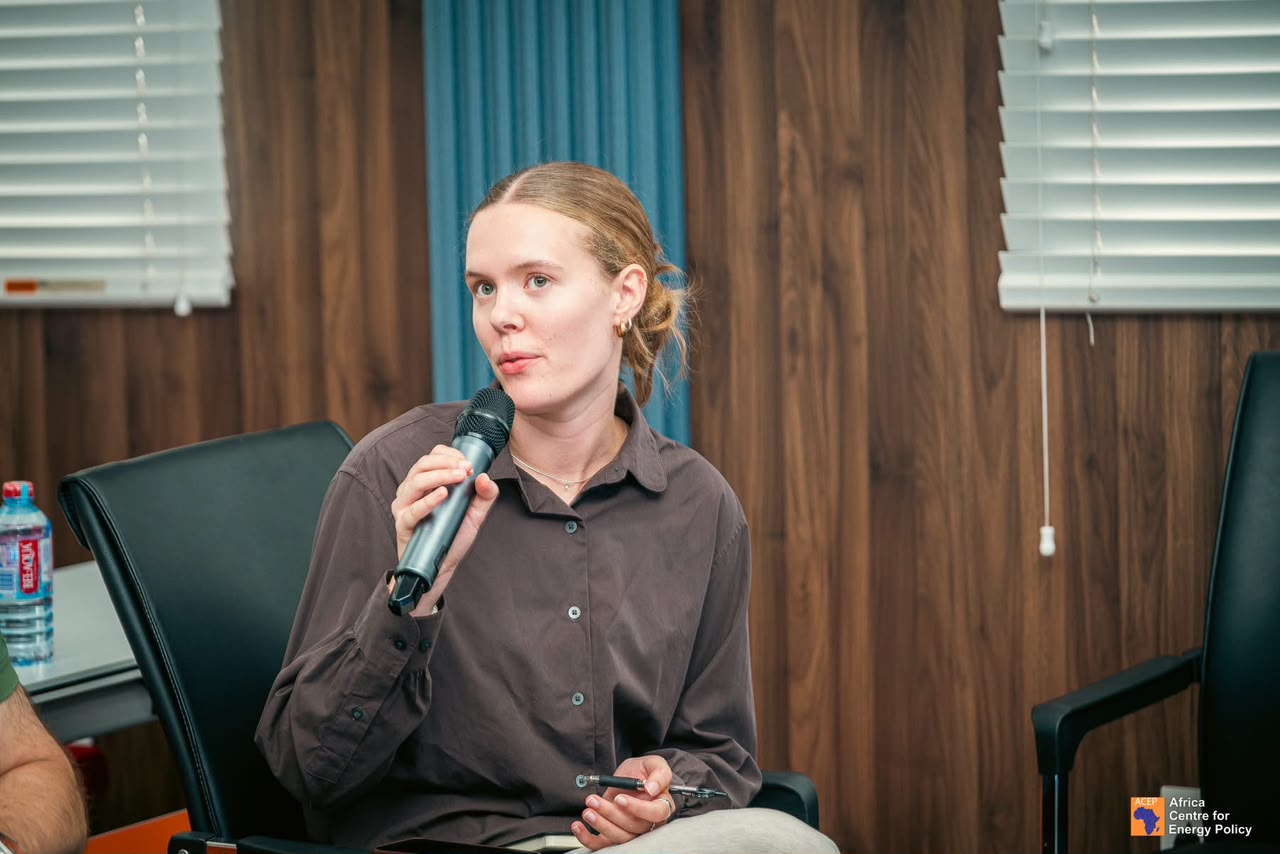
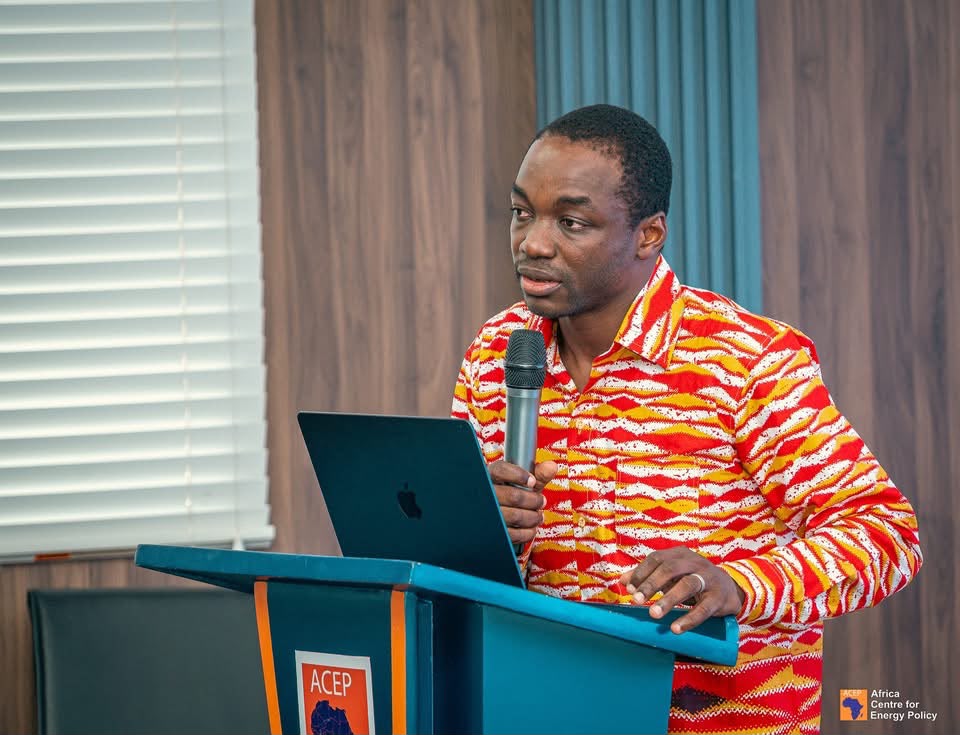
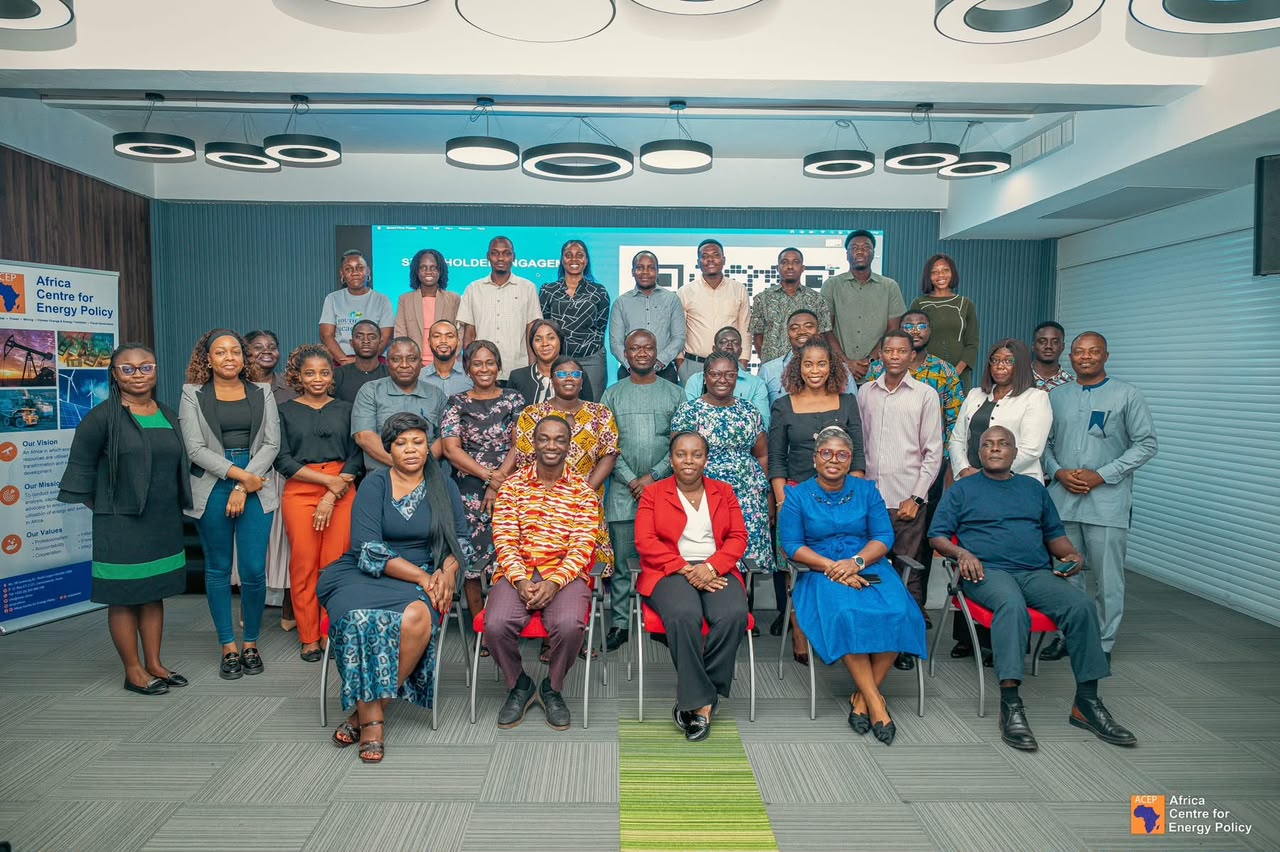
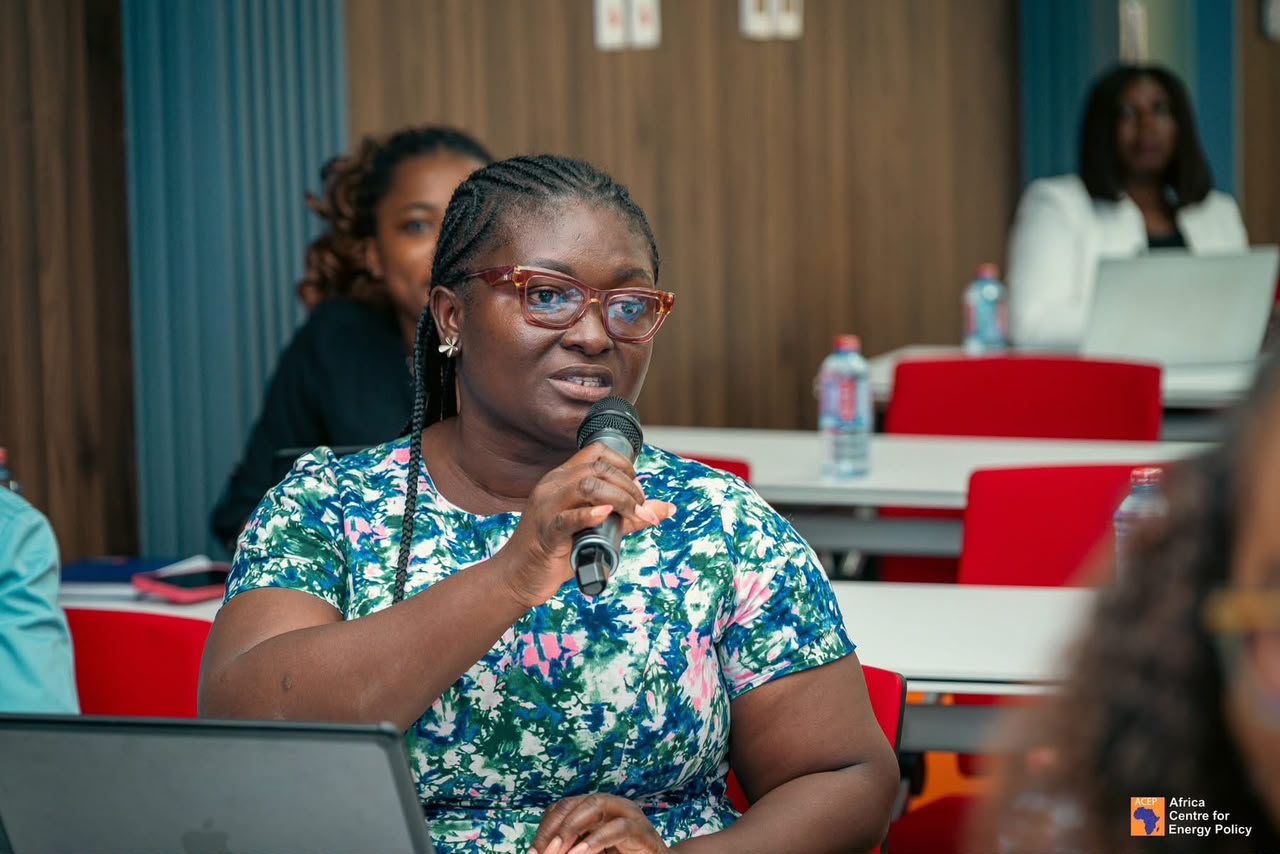
The challenge took centre stage at a stakeholder dialogue convened by the Africa Centre for Energy Policy (ACEP) in partnership with the Royal Norwegian Embassy in Accra, where participants examined the policy, financing and institutional constraints limiting the country’s transition to cleaner cooking solutions.
The scale of the problem is considerable. According to figures highlighted by the organisers, approximately 75% of Ghana’s population relies on solid fuels for cooking, with 31.1% of households using firewood and 23.3% depending on charcoal.
The continued dependence on these fuels raises concerns about household air pollution, environmental degradation and greenhouse gas emissions.
It also exposes a weakness in the country’s broader energy access agenda: access to electricity and modern energy infrastructure does not automatically translate into access to clean cooking.
The dialogue was therefore directed at what the organisers described as the need to move beyond policy commitments to practical solutions that can make cleaner cooking technologies and fuels accessible to households.
The Gap Between Policy And Household Adoption
Ghana’s clean cooking challenge is not simply a question of whether cleaner technologies exist. It is whether households can afford them, obtain the necessary equipment and maintain consistent access to the fuels required to use them.
Liquefied petroleum gas (LPG), for example, offers an alternative to traditional biomass fuels, but the cost of cylinders, burners, refills and transportation can make sustained adoption difficult, particularly for low-income households.
This creates a distinction between initial access and regular use. A household may acquire an LPG cylinder but continue to rely on charcoal or firewood when the cost of refilling becomes difficult to manage.
Consequently, measuring progress only by the number of households that have acquired clean cooking equipment could give an incomplete picture of the transition.
The more meaningful measure is whether households can consistently use cleaner fuels without having to return to traditional alternatives because of cost or supply constraints.
The organisers identified this practical challenge in their call for solutions that are “accessible, affordable and sustainable for households across Ghana.”
The emphasis on all three conditions is important. Accessibility without affordability can leave low-income households excluded, while affordability without reliable supply can undermine consistent use.
Sustainability, meanwhile, requires solutions that households can maintain over time and that do not create new economic or environmental pressures.
Financing And Investment Must Reach The Last Mile
The dialogue placed financing and investment among its central areas of discussion, reflecting the need to address constraints on both the consumer and supply sides of the market.
Households require financing options that reduce the upfront cost of adopting modern cooking technologies. At the same time, businesses involved in distributing LPG, manufacturing equipment and providing alternative cooking solutions need capital to expand their operations.
This is particularly important in rural communities, where distribution networks may be less developed and the cost of delivering cooking fuels and equipment can be higher.
Without investment in storage, transportation and retail infrastructure, clean cooking solutions risk remaining concentrated in urban markets, leaving communities with limited alternatives to locally available biomass.
The dialogue’s focus on “financing and investment” therefore raises a broader policy question: how can public and private capital be directed towards the communities where the clean cooking access gap is greatest?
Financing mechanisms must also reflect household income patterns. If access depends on large upfront payments or expensive recurring costs, programmes may struggle to achieve sustained adoption among the people they are intended to serve.
The same consideration applies to businesses. Smaller distributors and local enterprises may understand the needs of underserved communities but lack the financing required to build the infrastructure and supply networks necessary to serve them.
A successful transition will therefore require financing arrangements that support both consumer adoption and the growth of businesses operating across the clean cooking value chain.
Women’s Participation Must Go Beyond Consultation
Another issue highlighted during the engagement was “women’s participation”, recognising the important relationship between cooking energy, household welfare and economic inclusion.
Women in many communities bear a disproportionate responsibility for food preparation and the collection of traditional cooking fuels.
Continued dependence on firewood and charcoal can expose them to smoke from polluting fuels while increasing the time and labour required to prepare meals.
The transition to cleaner cooking could reduce these burdens, but women should not be viewed only as beneficiaries of new technologies.
Their participation in the sector’s development is equally important. Women-led businesses, distributors, entrepreneurs and community organisations can contribute to the design and delivery of solutions that respond to local cooking practices and household needs.
This requires more than inviting women to stakeholder discussions. It means improving access to finance, supporting women-led enterprises and ensuring that women have a meaningful role in decisions about the technologies and business models being introduced.
Without that economic dimension, clean cooking programmes could overlook an important opportunity to combine improved household energy access with enterprise development and job creation.
Institutional Cooking Could Expand Demand
The organisers also identified “institutional clean cooking” as an area requiring attention.
Schools, hospitals, boarding facilities and other institutions consume significant quantities of cooking fuel. Their transition to cleaner alternatives could create more predictable demand for modern cooking technologies and encourage investment in larger-scale distribution systems.
However, institutional cooking presents different requirements from household adoption. Facilities preparing meals for large numbers of people need equipment capable of handling higher cooking volumes, reliable fuel supplies and financing arrangements suited to their operating budgets.
This means that clean cooking policies must distinguish between household and institutional needs. A programme designed around individual LPG cylinder adoption, for example, may not adequately address the infrastructure and equipment requirements of large institutions.
A deliberate institutional transition could also provide opportunities for local manufacturers, equipment suppliers and clean cooking service providers, provided procurement and financing arrangements allow them to participate.
Clean Cooking Is Part Of Universal Energy Access
The dialogue’s consideration of “the role of clean cooking in achieving universal energy access” highlights an important gap in how energy access is often understood.
Electricity connections remain a major measure of progress, but households can have access to electricity and still depend on firewood or charcoal for their daily cooking needs.
Clean cooking must therefore be treated as an essential component of energy planning rather than a separate environmental intervention.
The organisers stressed the need to move beyond policy commitments and develop practical solutions that make cleaner technologies and fuels available to households across the country.
“The discussions underscored the need to move beyond policy commitments to practical solutions that make clean cooking technologies and fuels accessible, affordable and sustainable for households across Ghana.”
The statement captures the central test facing Ghana’s clean cooking agenda. Targets and policy frameworks can establish direction, but they cannot guarantee adoption if households cannot afford the alternatives or access them reliably.
For ACEP and the Royal Norwegian Embassy, the stakeholder dialogue provides a platform for examining these barriers and bringing together the institutions and actors needed to address them.
The next challenge is to translate the discussions into interventions that can be measured through sustained household adoption, stronger distribution networks, investment in clean cooking enterprises and wider access for underserved communities.
Ghana’s clean cooking transition will not be determined by the number of policy discussions held or technologies introduced. Its success will depend on whether households can realistically replace firewood and charcoal with cleaner alternatives without facing costs and supply constraints that push them back to traditional fuels.
READ ALSO: Boeing Backs Ghana National Airline as Roadmap Wins Presidential Approval