Tanzania’s main opposition leader, Tundu Lissu, has been sentenced to four years in prison after being found guilty of inciting unrest during the country’s disputed 2025 general election, in a ruling that has intensified concerns about political freedom and opposition activities in the East African nation.
A three-judge panel at the High Court in Dar es Salaam acquitted the 58-year-old CHADEMA (Chama cha Demokrasia na Maendeleo) Chairman of the more serious treason charge, ruling that prosecutors had failed to establish a key element of the offence.
However, the court found him guilty of incitement, concluding that his campaign slogan, “No Reforms, No Election,” encouraged supporters to disrupt the electoral process.
The ruling follows months of legal proceedings that attracted international attention, with human rights organisations raising concerns about the treatment of opposition politicians and the shrinking space for political dissent in Tanzania.
Lissu has been one of the most prominent critics of Tanzania’s ruling Chama Cha Mapinduzi (CCM) party, which has dominated the country’s political landscape since independence.
His political career has been marked by persistent confrontations with the authorities, including a 2017 assassination attempt in which gunmen shot him multiple times outside his home in Dodoma. He survived the attack after undergoing extensive medical treatment abroad.
He returned to Tanzania in 2023 following President Hassan’s decision to lift restrictions on opposition political rallies and became CHADEMA’s national chairman in January 2025, subsequently intensifying his campaign for electoral reforms.
Lissu Challenges Incitement Conviction, Accuses Judges of Political Interference
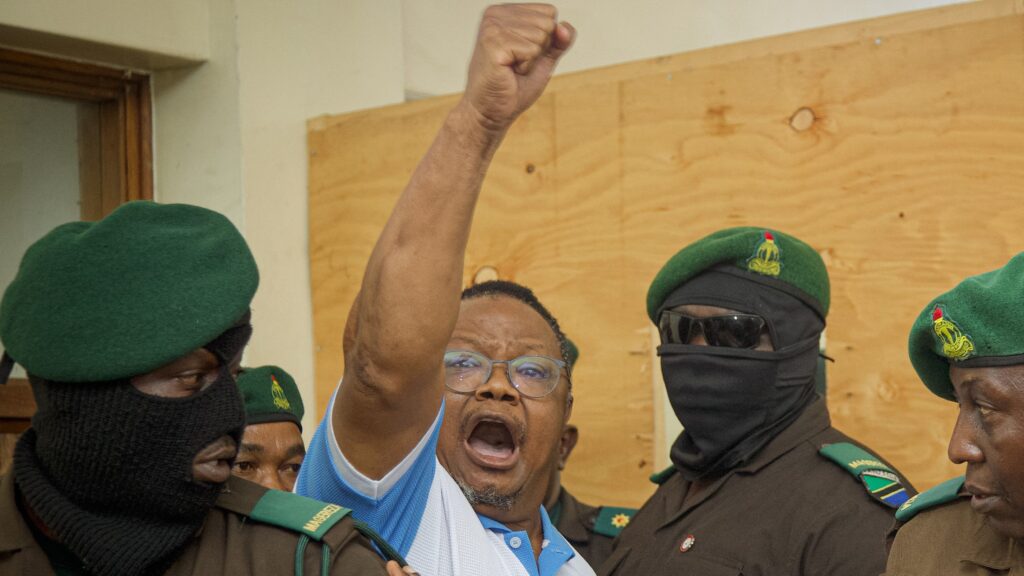
Following the ruling, Tundu Lissu challenged the legal basis of the incitement conviction, arguing that prosecutors had originally charged him with treason rather than the lesser offence.
Addressing the three-judge panel, he accused the court, stating, “the offense of incitement is one that you, honourable judges, have manufactured. You have created an offense that did not exist, and you have done so on political directives.”
He also indicated his intention to seek bail, arguing that incitement, unlike treason, was an offence for which bail could be granted. He has the right to appeal the conviction at Tanzania’s Court of Appeal, the country’s highest court.
Treason is among Tanzania’s most serious criminal offences and carries the possibility of the death penalty, making the court’s decision to acquit Tundu Lissu of that charge a significant development in the proceedings.
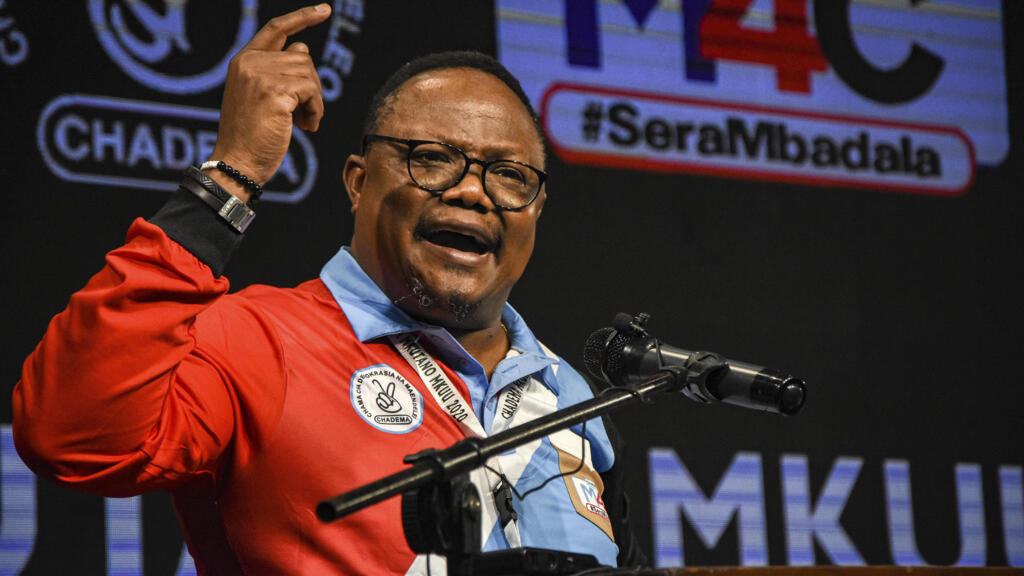
The prosecution had accused him of making statements intended to mobilise the public against the 2025 general election, including calls to prevent the polls and organise resistance against the government.
However, Tundu Lissu maintained throughout the trial that his remarks formed part of a legitimate political campaign seeking constitutional and electoral reforms.
His “No Reforms, No Election” campaign called for independently appointed electoral commissioners, protection for opposition parties against police intimidation, independent election administration at district level and greater transparency during vote counting.
He also demanded that presidential election results should be open to legal challenges in court.
Tanzania’s Disputed Election Fuels Political Uncertainty

Tundu Lissu’s conviction follows Tanzania’s October 2025 general election, which President Samia Suluhu Hassan won with 98% of the vote, amid allegations of electoral irregularities and restrictions on opposition participation.
The opposition rejected the outcome, with CHADEMA describing the election as a “mockery” of democracy after its two main challengers, including Lissu, were excluded from the contest.
The election was followed by widespread protests and a violent security crackdown that left hundreds dead. A government-appointed commission reported that at least 518 people were killed, although opposition groups have disputed the figures and called for an independent investigation.
President Hassan’s administration has repeatedly defended its handling of the unrest, rejected accusations of widespread political repression and maintained that the election was fair and transparent.
The Opposition Leader’s prosecution has also attracted criticism from international human rights organisations. Amnesty International, in a statement, accused Tanzanian authorities of increasingly using counterterrorism legislation to silence critics and restrict political dissent.
The organisation further raised concerns about arbitrary arrests, enforced disappearances and restrictions on freedom of expression and peaceful assembly following the 2025 election.
READ ALSO: Ewoyaa’s Transfer Deal in Best Interest of Shareholders – Atlantic Lithium Assures