Ghana could benefit from a new wave of international financing aimed at expanding access to cleaner cooking technologies across Africa, as global energy partners commit additional resources to address one of the continent’s most persistent energy challenges.
The International Energy Agency (IEA) announced that African countries have secured an additional $900 million in financial commitments to accelerate clean cooking solutions, bringing total commitments mobilised since the first Africa Clean Cooking Summit in Paris in 2024 to more than $3.1 billion.
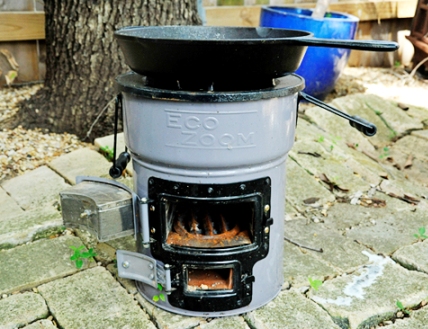
The funding is expected to support the expansion of cleaner cooking fuels, improved cookstoves and related infrastructure across the continent, with countries seeking to reduce dependence on traditional fuels such as charcoal and firewood.
For Ghana, where a significant share of households still rely on biomass for cooking, the renewed global focus presents an opportunity to accelerate ongoing efforts to expand access to cleaner alternatives, particularly liquefied petroleum gas (LPG), while strengthening energy security and reducing pressure on forests.
Clean cooking challenge remains a major energy priority
Although energy discussions often focus on electricity access and renewable power generation, clean cooking remains a critical part of Africa’s broader energy transition.
The IEA estimates that nearly one billion people across Africa still lack access to clean cooking technologies, relying instead on charcoal, firewood and other polluting fuels that contribute to household air pollution and serious health consequences.
Access to clean cooking is one of the most impactful yet overlooked challenges of our time.
U.S. Energy Secretary Chris Wright
The agency estimates that exposure to harmful household air pollution contributes to approximately 850,000 premature deaths annually across the continent.
Beyond public health concerns, reliance on traditional cooking fuels also has wider environmental and economic implications, including pressure on forests, increased household energy insecurity and challenges for sustainable development.
In Ghana, the clean cooking agenda has become increasingly linked to efforts to promote LPG adoption, improve energy access and reduce dependence on charcoal, which remains widely used in many households.
Financing could strengthen Ghana’s LPG expansion efforts
The new commitments announced by the IEA come at a time when Ghana continues to promote LPG as a cleaner cooking alternative.
The government’s LPG promotion initiatives have focused on increasing household access, improving distribution systems and encouraging a shift away from charcoal and firewood.
However, challenges including affordability, availability, storage infrastructure and distribution networks have continued to affect the pace of adoption.
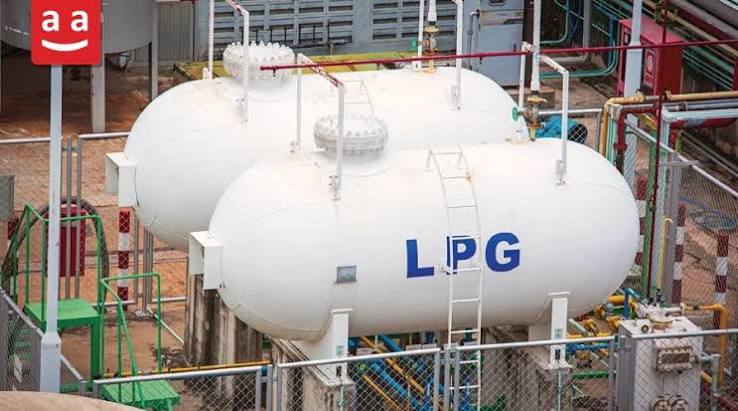
The additional international financing could provide support for investments required to address some of these barriers, including expanding LPG infrastructure, strengthening supply chains and supporting cleaner cooking technologies suited to different communities.
For Ghana’s energy sector, improved access to clean cooking is not only an environmental objective but also a component of energy security planning.
A stronger domestic clean cooking ecosystem could reduce pressure on imported fuels, improve resilience in supply chains and support broader national energy goals.
Africa’s clean cooking financing gap remains significant
The IEA said the latest $900 million commitment builds on the $2.2 billion mobilised at the inaugural Africa Clean Cooking Summit held in Paris in 2024.
During a virtual meeting convened by the IEA and Kenya, global and African leaders reviewed progress made since the summit and outlined priorities ahead of the next gathering later this year.
According to the IEA, $740 million, representing about one-third of the commitments announced in Paris, has already been deployed across 22 African countries.

The additional $900 million in commitments demonstrates growing momentum, with more expected before the next summit.
IEA Executive Director Fatih Birol
The agency said additional commitments demonstrate growing momentum, with further financing expected ahead of the next summit.
Policy reforms key to unlocking benefits
While financing is expected to accelerate clean cooking efforts, energy experts have consistently noted that investment must be supported by strong policy frameworks and effective implementation.
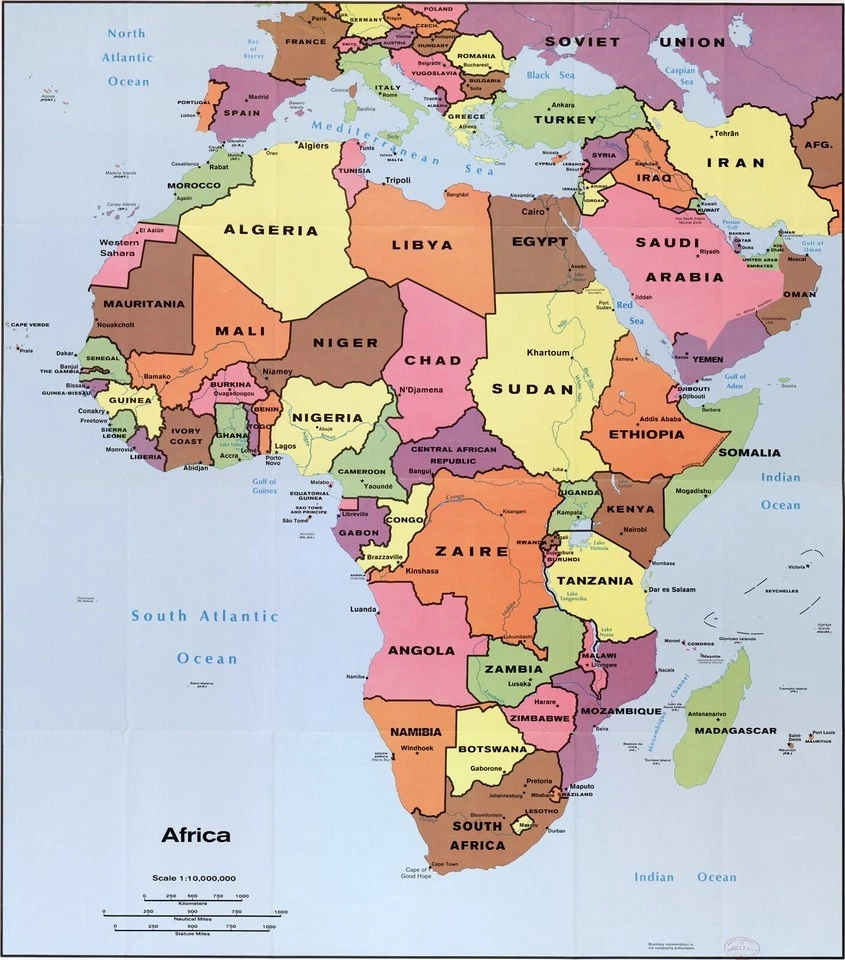
The IEA reported that governments across more than 30 African countries have introduced 121 new clean cooking policies since the Paris summit, covering countries that account for about 80% of Africans without access to clean cooking.
For Ghana, strengthening policy coordination between energy institutions, private sector operators and development partners will be important in ensuring that new financing translates into measurable improvements.
The expansion of clean cooking technologies requires more than distributing equipment or increasing fuel availability. It also requires reliable supply chains, consumer awareness, affordable financing models and infrastructure capable of supporting long-term adoption.
LPG security becomes increasingly important
The IEA also highlighted growing concerns around the security of global cooking fuel supply chains, particularly LPG.
The agency launched a Clean Cooking Security Programme designed to strengthen international supply chains for cooking fuels following disruptions linked to shipping challenges through the Strait of Hormuz.
According to the IEA, those disruptions affected around 30% of globally traded LPG, highlighting the vulnerability of countries that depend heavily on international fuel markets.

Ambition alone is not enough. It must be backed by investment.
Kenyan President William Ruto
For Ghana, which relies partly on LPG imports to meet domestic demand, developments in global supply chains reinforce the importance of building a more resilient petroleum infrastructure.
Strengthening storage capacity, improving distribution networks and supporting local participation in the LPG value chain will remain important factors in ensuring reliable access for households.
Clean cooking supports Ghana’s wider energy transition goals
The clean cooking agenda aligns with Ghana’s broader efforts to pursue a balanced energy transition that considers environmental sustainability, economic development and energy access.
While much of the global energy transition conversation focuses on renewable electricity and emissions reduction, improving household cooking practices remains one of the fastest ways to deliver direct benefits to communities.
Greater access to cleaner cooking technologies can reduce health risks, support environmental protection and improve quality of life, particularly for women and children who are often most affected by traditional cooking methods.
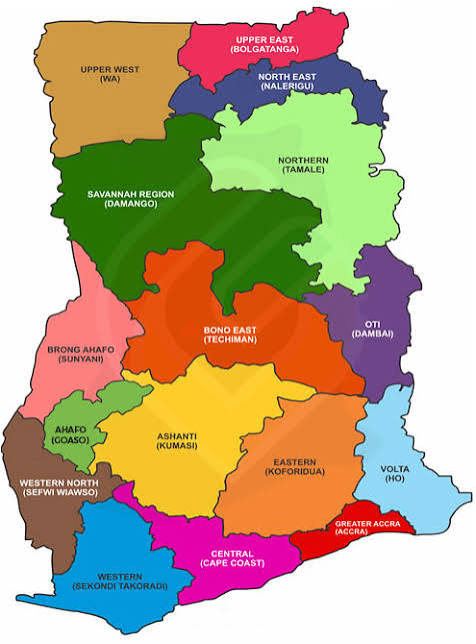
For Ghana, the latest international financing commitments represent both an opportunity and a responsibility.
Accessing available resources will require effective planning, strong partnerships and clear strategies to ensure that clean cooking solutions reach households that need them most.
As African countries continue working toward universal access to cleaner cooking, Ghana’s ability to attract investment, strengthen LPG systems and implement practical policies will determine how much value it derives from this emerging global push.
READ ALSO: GES Closes Zohe E.P Schools in Yendi Following Armed Attack