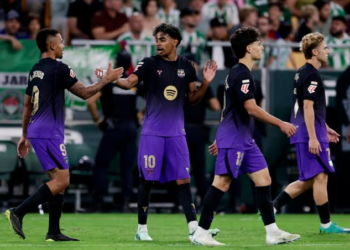
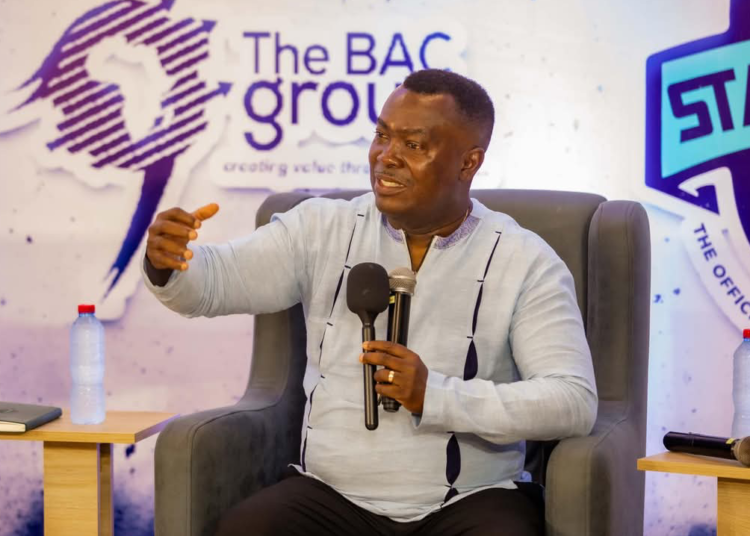
The overwhelming popularity and accessibility of the English Premier League (EPL) in Ghana should serve as a wake-up call for stakeholders seeking to revive the country’s football economy, Chief Consultant at Brand Cipher, Mawuko Afadzinu, has said.
Addressing participants at the Sports Business Series held at the University of Ghana Stadium conference room in Legon on Friday, Afadzinu argued that while millions of Ghanaians consume English football every week, the local game continues to struggle because the foundations needed to sustain a thriving football industry have been neglected.
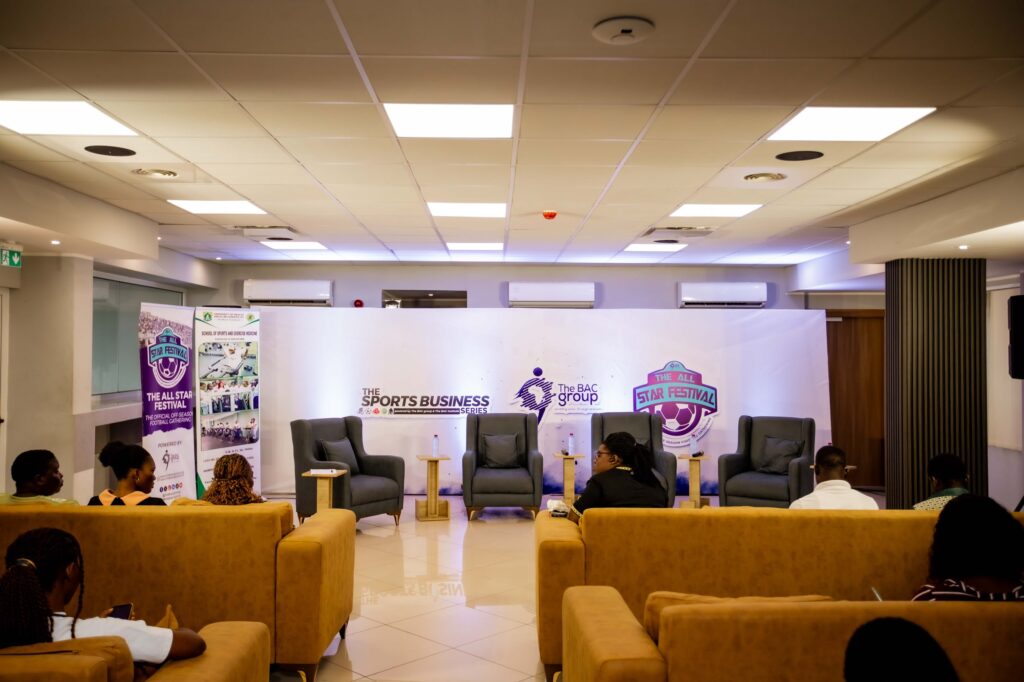
His remarks came during the seminar, which formed part of activities for the 2026 All Star Festival, where sports administrators, marketers, business executives and football enthusiasts gathered to discuss how sport can become a major vehicle for economic growth.
The Premier League’s Reach in Ghana
Using the English Premier League as an example, Afadzinu challenged participants to rethink the commercial direction of Ghanaian football, insisting that the issue is not a lack of interest in football but rather the failure to build an attractive local product.
“It is 50 times much easier to watch the EPL in Ghana than in London,” Afadzinu said, drawing attention to the widespread availability of Premier League broadcasts across Ghana.
He explained that many Ghanaian fans can conveniently watch live Premier League matches from their homes, neighbourhood viewing centres and television subscriptions at relatively affordable costs.
By contrast, supporters in England often face higher subscription fees, restrictions on televised matches and the expensive cost of attending games at stadiums.
According to him, the irony is that despite the ease with which Ghanaians consume one of the world’s biggest football leagues, the domestic game has failed to command similar loyalty and commercial appeal.
Afadzinu suggested that this reality should encourage football administrators to understand what attracts supporters to successful football brands and how those lessons can be adapted to strengthen Ghana’s football ecosystem.
A Weak Foundation Has Hurt the Business of Football
For Afadzinu, the financial challenges confronting Ghanaian football are symptoms of a much deeper structural problem. “We didn’t have the foundation and that’s why the money side of our football is gone,” he stated.
He argued that football cannot become financially sustainable without deliberate investment in structures that create long-term value for clubs, players, supporters and corporate partners.
According to him, building a profitable football industry requires more than organising matches. It involves developing strong club brands, improving fan engagement, investing in facilities, creating compelling matchday experiences and establishing effective marketing systems capable of attracting sponsorship and media investment.
Afadzinu maintained that when these foundations are neglected, clubs inevitably struggle to generate revenue, making them increasingly dependent on external financial support instead of creating sustainable business models.
Football Must Be Treated as a Business
The Brand Cipher consultant urged stakeholders across the football industry to begin treating football as a serious commercial enterprise rather than solely as a sporting activity.
He encouraged clubs, the Ghana Football Association, corporate institutions and government agencies to work collaboratively in rebuilding confidence in the domestic game while creating products that supporters would be willing to consume consistently.
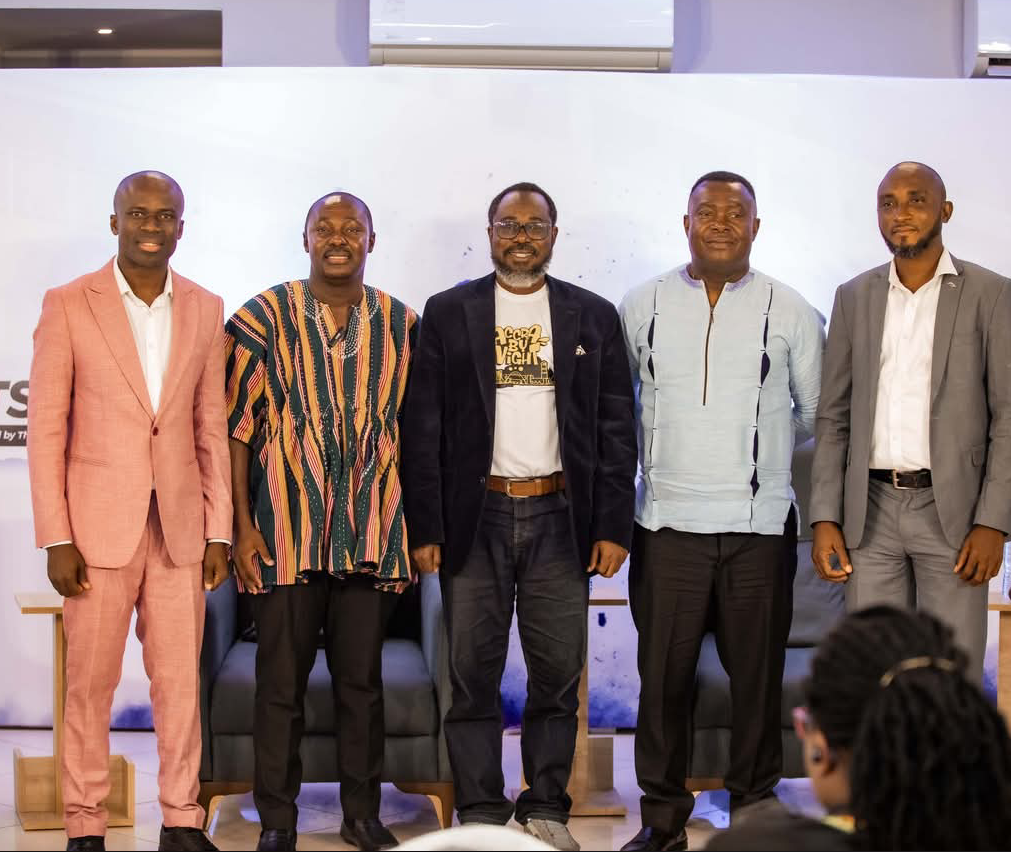
The Sports Business Series formed part of the fifth edition of the All Star Festival, an initiative that combines football, business, entertainment and community engagement under the theme The All Star Experience.
The festival, which has grown into one of Ghana’s biggest football celebrations, brings together football legends, active players, business leaders and fans to explore new opportunities within the sports industry.
Activities for this year’s festival will climax on Saturday, July 11, at the University of Ghana Stadium in Legon, where football, entertainment and family-friendly activities are expected to attract thousands of patrons.
READ ALSO: Mahama Vows Sustained National Drain Cleanup After Floods