The US Geological Survey (USGS) Mineral Commodity Summaries 2026 has revealed that lithium has effectively transformed into a single-use commodity, driven by an overwhelming paradigm shift where rechargeable batteries now consume a staggering 88 percent of the global supply.
This unprecedented consolidation of resource allocation highlights how deeply the clean energy transition has monopolized the global metal market. By concentrating the vast majority of extracted volume into a single industrial sector, the global economy has tied the destiny of this critical mineral to a singular end-use market architecture.
“To all intents and purposes, lithium is basically driven by battery demand only,” stated Adam Webb, head of battery materials at Benchmark Mineral Intelligence (BMI), during an industry summit in Toronto.

Webb noted that global EV sales expanded 22 percent in 2025, with strong growth continuing across China, Europe, and emerging markets.
This market transformation is further underscored by the rapid scaling of electric vehicle (EV) manufacturing and stationary energy storage grids worldwide, which have successfully squeezed traditional industrial applications into minor, single-digit fractions of the total marketplace.
Global lithium consumption experienced a robust 20 percent year-on-year increase in 2025, climbing to approximately 263,000 tons overall.
The overwhelming majority of this massive volume growth was directed into cell manufacturing pipelines, leaving alternative legacy manufacturing sectors struggling to retain relevance in a highly competitive sourcing ecosystem.
Rapid Grid Scaling and Regional Dominance
The International Energy Agency (IEA) reports that electric vehicles and stationary storage systems now represent roughly 90 percent of the broader lithium-ion battery market.
This rapid absorption reflects an extraordinary macro trend, as total sector deployment expanded more than sixfold between the years 2020 and 2025.

In the year 2025 alone, the global automotive and grid-scale energy storage battery deployment expanded by nearly 30 percent, successfully reaching a milestone capacity of 1.2 terawatt-hours.
This historic infrastructure buildout was decisively anchored by China, which independently commanded 60 percent of the entire global automotive battery deployment volume, demonstrating its profound industrial leverage over the modern clean energy supply chain.
Extreme Price Volatility and Sourcing Bottlenecks
The heavy concentration of demand within a singular industry has simultaneously exposed the global marketplace to intense raw material volatility and structural vulnerabilities.
Compounding these volatile market dynamics, global lithium exploration expenditure ranked fourth among major mineral commodities at US$595 million in 2025, trailing far behind safe-haven assets like gold and copper as mining companies pulled back from capital-intensive greenfield risks.
Near-term supply logistics tightened further following Zimbabwe’s February 25 regulatory suspension of all raw mineral and lithium concentrate exports.
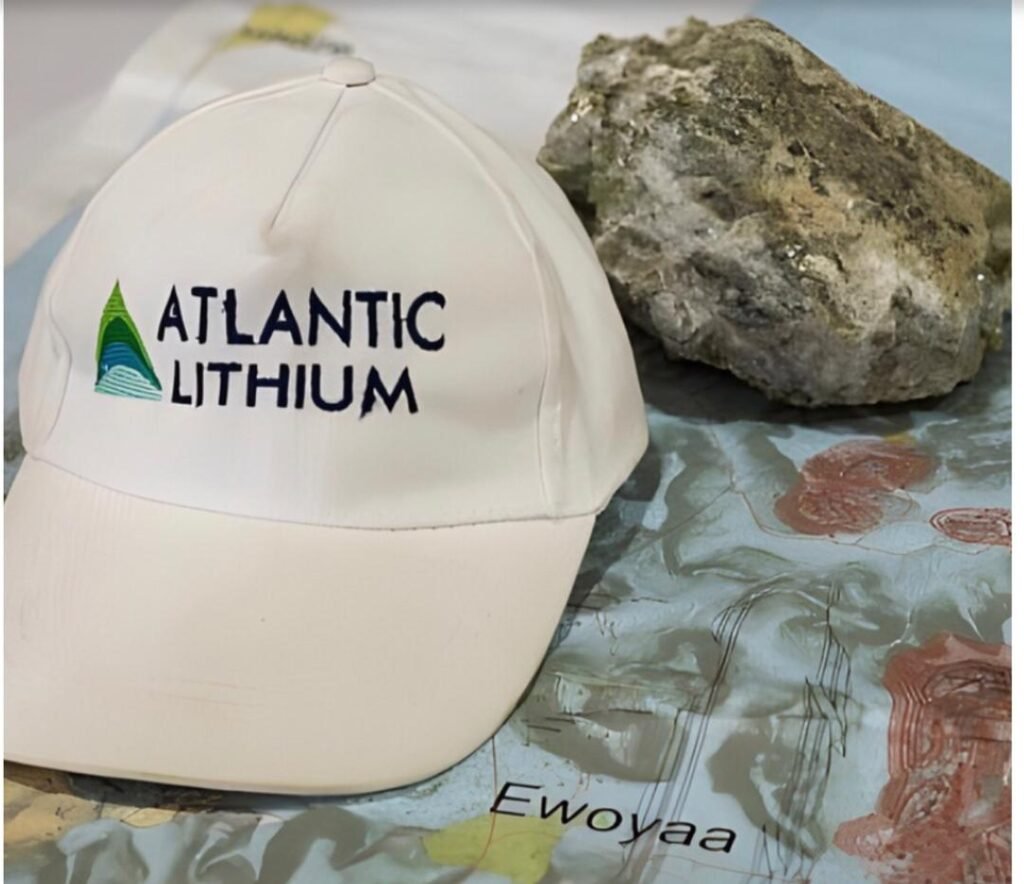
This aggressive state intervention was explicitly aimed at forcing domestic value-addition and processing, directly impacting 15 percent of China’s total spodumene imports and creating immediate supply chain ripples across Asian manufacturing hubs.
The Marginalization of Traditional Industrial Sectors
As a direct consequence of this overwhelming battery sector dominance, the traditional industrial base that historically relied on lithium has been heavily marginalized and reduced to statistical footnotes.

Medical applications make up the final 1 percent of global supply. While tiny by physical volume, international healthcare guidelines identify the metal as the most effective long-term treatment for stabilizing bipolar disorder and reducing relapse severity.
Furthermore, recent clinical studies have linked the metal to a potential early detection system for Alzheimer’s disease.
Ultimately, with the IEA projecting that global lithium demand will expand fivefold by 2040 under current policy frameworks, the commercial outlook for this critical commodity remains tightly bound to the scaling economics of the battery cell.
READ ALSO: Mahama Donates Flood Relief Items to 37 Military Hospital