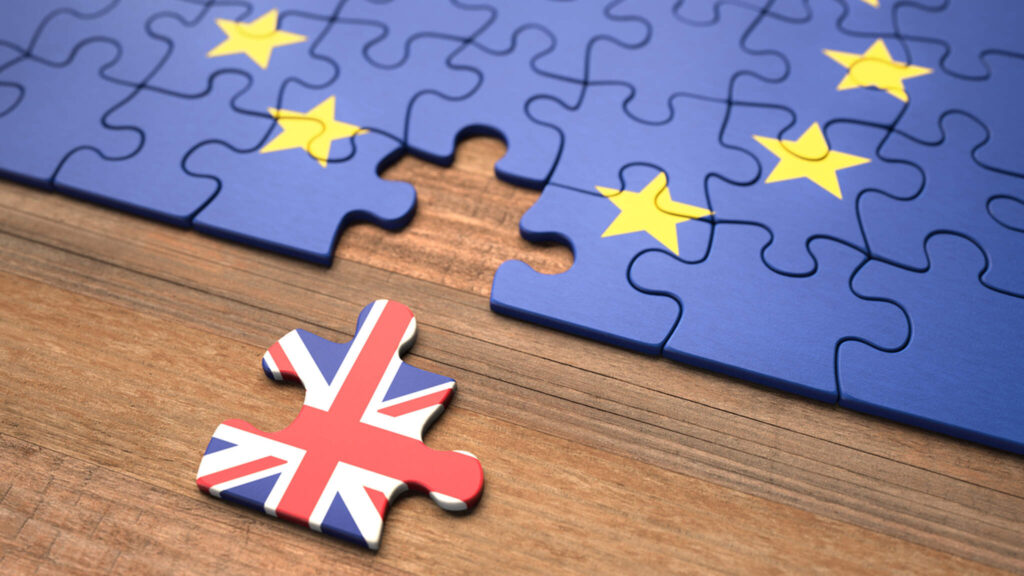
British Prime Minister Andy Burnham has opened the door to the possibility of the United Kingdom rejoining the European Union, noting that his government should examine a range of options for reshaping the country’s long-term relationship with the bloc.
According to the Prime Minister, the Brexit settlement had caused “more harm than good” and argued that Britain should no longer leave unresolved the question of where its relationship with Europe should go over the next decade.
In an interview, Burnham was asked directly whether he wanted Britain to rejoin the EU. Rather than ruling out membership, he said he wanted to “look at the options.”
He acknowledged that he had previously supported Britain rejoining the bloc within his lifetime, while stressing that this did not necessarily mean it was now the government’s position.
According to the Prime Minister, “we could stay as we are. That’s definitely an option, if people think this is the right place to stay.”
Burnham then identified several possible alternatives, including a customs union, closer alignment with the EU single market and full membership of the bloc.
“We could look at what [former Chancellor] George Osborne has said about a customs union, we could look at what the Liberal Democrats said at their conference about the single market, or we could go all the way. So there are clearly options that need to be considered, and we have to look at what is doable and what would be the pros and cons of each.”
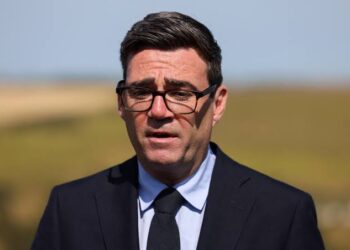
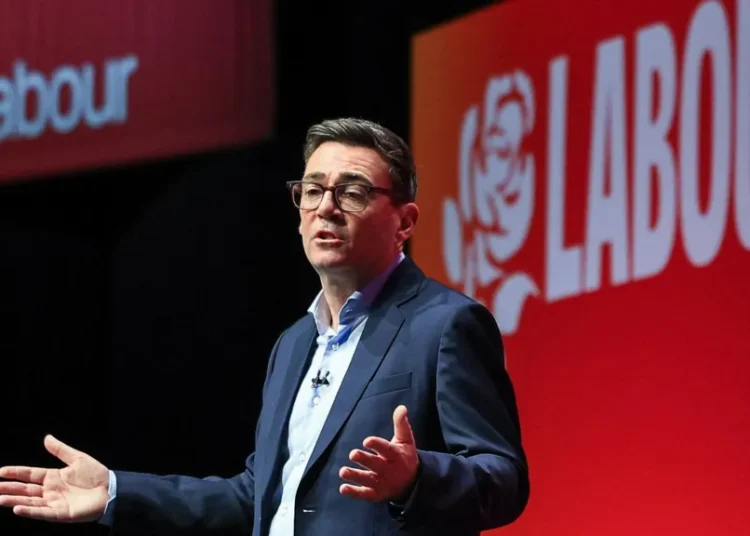
Andy Burnham
This put the question of Britain’s future relationship with Europe back at the centre of national political discourse, ten years after the 2016 referendum that set the country on the path towards leaving the EU.
They also create a sharper contrast with the position adopted by Burnham’s predecessor, Sir Keir Starmer, whose government sought a closer relationship with Brussels while ruling out rejoining the EU single market or customs union.
Starmer’s approach included efforts to improve trade and regulatory cooperation, including alignment on food standards, a proposed youth mobility arrangement and closer links between British industry and European carbon markets.
Burnham’s government has already signalled that it wants to deepen relations with Europe.
Earlier, the Prime Minister held talks with European Commission President Ursula von der Leyen, with both sides discussing preparations for a UK-EU summit later in the year. The discussions covered cooperation on security, trade, migration and other shared challenges.
The government has also described closer cooperation with Europe as part of its wider economic and security agenda. During a meeting with French President Emmanuel Macron earlier in September, Burnham’s government said Britain and France would work to deepen UK-EU relations while addressing issues including defence, trade and illegal migration.
Brexit Gains New Momentum
The immediate political significance of Burnham’s comments lies in their potential implications for Labour’s existing commitments.
The party’s 2024 general election manifesto pledged to “make Brexit work” and explicitly ruled out rejoining the EU’s customs union or single market.
Burnham had also previously sought to reassure voters that Labour would not reopen the arguments surrounding Britain’s departure from the bloc.
During his Labour conference speech, Burnham noted that Brexit had contributed to problems involving immigration and the economy and argued that the current relationship with Europe was not “good enough.”
He promised to use the delayed UK-EU summit later this year to set out different options for Britain’s long-term relationship with the bloc and said he wanted to “find consensus” around the country’s future direction.
The Conservatives, however, have accused Labour of returning to an issue they argue should have been settled.
Conservative Deputy Leader Alex Burghart criticised Burnham’s position following his conference speech.
“Labour cannot pin the blame for their disastrous economic decisions on a vote that happened over a decade ago. Besides, they are already dragging us into the European Union via the back door with their EU reset.”
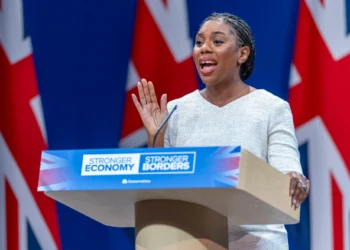
Alex Burghart
Meanwhile, Burnham has so far stopped short of committing his government to rejoining the bloc. His stated position is that the alternatives should first be examined, with their feasibility and consequences assessed before a decision is reached.
In his first speech as Prime Minister, Burnham promised a 10-year plan for Britain and argued that the country needed a new economic and political model.
At the United Nations General Assembly, he also reflected on the tenth anniversary of the Brexit vote, indicating that Britain had experienced the disruption associated with the decision and presenting his government as seeking a more outward-looking role for the country.
The European relationship is consequently becoming part of Britain’s economic direction. The EU remains a major economic partner for Britain, while businesses have continued to operate under the new trading arrangements created after Brexit. Any significant change to those arrangements would therefore have consequences for exporters, importers and industries dependent on European supply chains.
Burnham’s government has also emphasised cooperation with European partners on Russia, Ukraine, defence and wider security threats. In recent talks with European leaders, the government has repeatedly linked closer cooperation with Europe to Britain’s economic and security interests.
READ ALSO: Defeat Against The Gambia Doesn’t Make Me a Loser – Queiroz