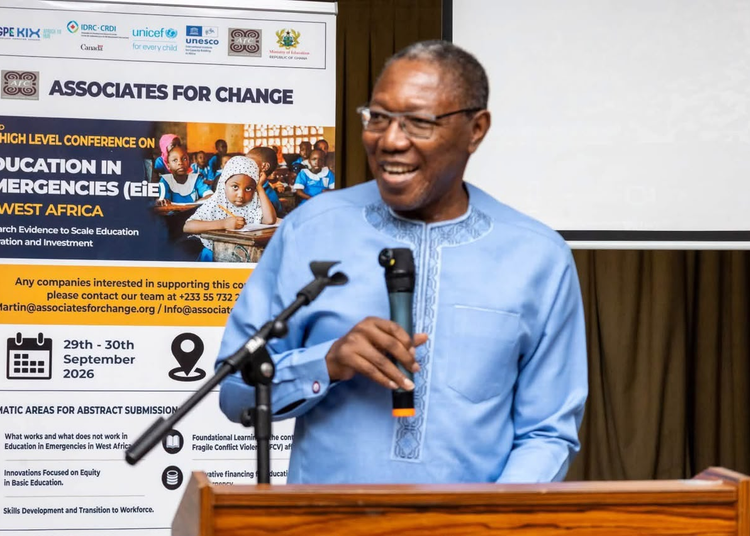
Deputy Minister for Education, Dr Clement Apaak, has called on West African countries to invest in resilient education systems ahead of crises, rather than waiting until emergencies disrupt learning to respond.
Speaking at the 2nd High-Level Conference on Scaling Education Initiatives in Emergencies, Dr Apaak highlighted conflicts, climate shocks, health emergencies and economic pressures as growing threats to education systems across the region, warning that these disruptions are becoming more frequent and demand a proactive rather than reactive response.
Dr Apaak stressed the importance of risk analysis, contingency planning and safe school infrastructure as foundational elements of a resilient education system.
He argued that investing in preparedness ahead of time is significantly less costly than rebuilding education systems after a crisis has already caused damage.
“Preparedness costs less than rebuilding after crises.”
Dr Clement Apaak
He explained that this principle should guide how governments across the region allocate resources for education, shifting the emphasis from emergency response toward sustained, forward-looking investment in system resilience.
Strengthening Local and Regional Capacity
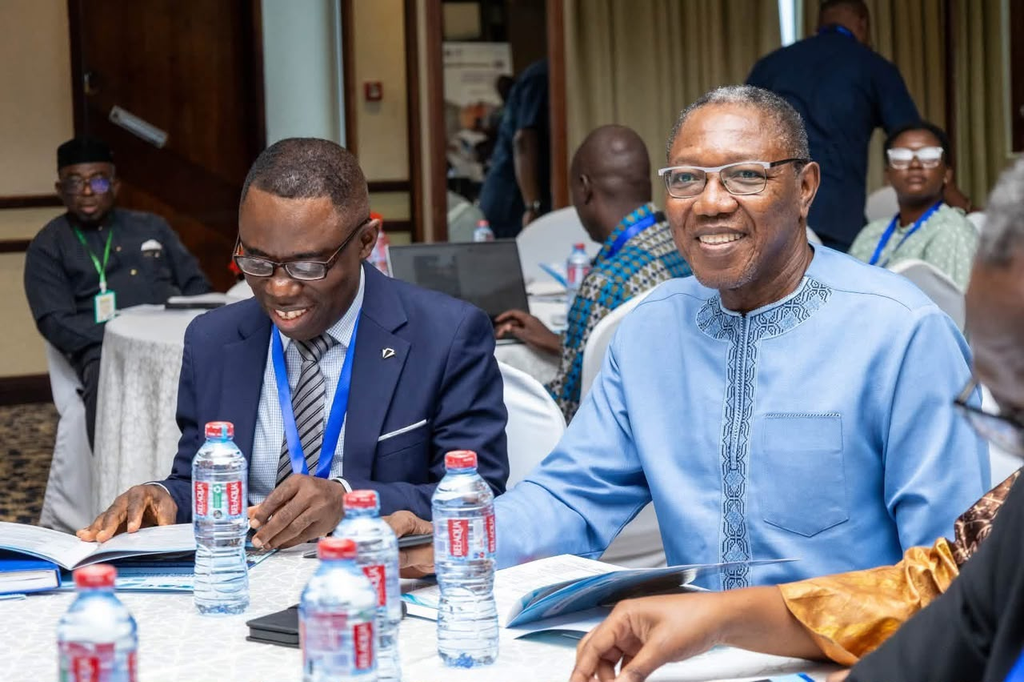
Beyond national-level planning, Dr Apaak called for stronger capacity at regional and district levels, arguing that education systems can only respond quickly and maintain learning during emergencies if local structures are properly equipped.
He identified reliable data, clear institutional mandates and effective planning tools as essential components of this capacity-building effort.
He suggested that without functioning systems at these more localised levels, national policies and strategies risk being poorly implemented when emergencies actually strike, leaving vulnerable children without adequate support precisely when it matters most.
Call for Sustained and Predictable Funding
Dr Apaak urged governments and development partners to commit to sustained and predictable funding for interventions that have already proven effective in supporting education during emergencies.
He specifically named Accelerated Education Programmes, community-based learning models, and low-technology remote learning solutions as approaches that have demonstrated success and deserve continued financial backing.
“We cannot afford to keep successful interventions trapped in pilot phases when children’s futures are at stake.”
Dr Clement Apaak
By calling for predictable rather than ad hoc funding, Dr Apaak signalled a concern that many promising education-in-emergencies interventions remain underfunded or confined to short-term pilot projects, limiting their broader impact across affected populations.
Key Priorities Identified
Dr Apaak identified equity, increased domestic financing, and regional cooperation as central priorities for strengthening education systems against future disruptions.
His emphasis on equity suggests a particular concern for ensuring that the most vulnerable children, including those already out of school, are not further marginalised when emergencies occur.
His call for increased domestic financing reflects a broader push across the region for countries to reduce reliance on external donor funding for education-in-emergencies programming, instead building sustainable national financing mechanisms capable of supporting resilience efforts over the long term.
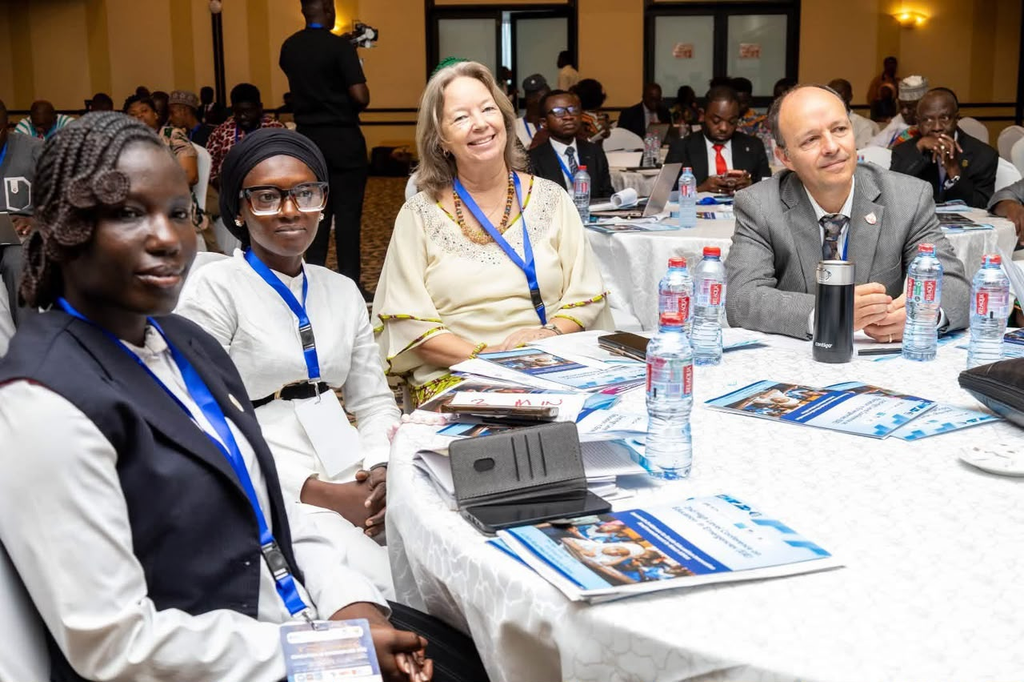
Dr Apaak’s remarks were made in the context of the ACCELERATE+ conference, which is centred on using evidence and research to strengthen education responses specifically for vulnerable and out-of-school children.
This research-driven focus suggests that the conference organisers are seeking to ground policy recommendations in demonstrated outcomes rather than untested assumptions about what works during emergencies.
Regional Call to Action
By framing his appeal specifically to West African countries collectively, Dr Apaak positioned the challenge of education resilience as a shared regional concern rather than one confined to Ghana alone.
Given that conflicts, climate shocks and economic pressures often have cross-border implications, particularly in relation to displacement, his call for regional cooperation reflects a recognition that no single country can adequately address these challenges in isolation.

As the conference continues, attention will likely turn to how the priorities outlined by Dr Apaak, including risk analysis, safe school infrastructure, capacity building at the district level, and predictable financing, translate into concrete commitments from participating governments and development partners.
The extent to which West African nations move from discussion to actual investment in resilient education systems may ultimately determine how effectively the region can protect children’s learning when the next conflict, climate shock, health emergency or economic disruption occurs.
READ MORE: Majority Leader Says Minority’s Narcotics Probe Bid Was Premature