Lawyer and child protection specialist Hilda Mensah of UNICEF says a long culture of societal victim blaming, weak reporting systems and the absence of safeguarding structures in schools have left girls exposed to sexual abuse. She made the submission while reacting to the investigation into allegations of sexual abuse at Obuasi Senior High Technical School (SHTS).
Mad. Mensah says the investigation must go beyond the Headmaster to the officers of the Ghana Education Service (GES) who knew of the allegations, and calls for an overhaul of the system and confidential reporting mechanisms.
Mad. Mensah stated that she was saddened by the revelations, particularly as a parent, because these girls were exposed to very high risks, power imbalances,weak reporting systems and a lack of mechanisms to safeguard them
“Victim blaming silences girls, and silence protects the abuser.”
Lawyer and child protection specialist Hilda Mensah of UNICEF
According to Mad. Mensah, the vulnerability of the girls is heightened because they do not know whom to trust. She described the situation as a breakdown of the system that requires an overhaul, with specific measures put in place to address sexual abuse in schools.
She expressed shock that the matter was reportedly not news within Obuasi and its environs, noting that Ghanaian law prohibits sexual abuse and does not permit stakeholders to manage such cases informally, as appears to have happened. The failure extends to families, institutions, communities and even the girls’ peers.

Why victims stay silent
She added that, given how the investigation is unfolding, the number of alleged victims is likely to rise.
Mad. Mensah reminded the public that there is usually a wide gap between the actual prevalence of abuse and the number of recorded cases. Many girls never disclose that they have been violated, she said, because society has over the years been reluctant to believe them.
When a girl reports abuse, the first response is often to question her conduct, including what she wore and why she was in a particular place. Abusers, she noted, also tend to embarrass their victims first, which leaves many too ashamed to tell a parent, a friend or anyone else.
She described the practice as inimical to the development of girls, and said society has condoned it over time. Had reporting been encouraged and victims supported in the past, she argued, more of them would be willing to come forward.

Investigation must go beyond the headmaster
Asked whether the inquiry should extend beyond the headmaster and the immediate officials at the school, given indications that GES officers at the district level knew of the allegations, Mad. Mensah said it must. In her view, the revelations could serve as an entry point to uncovering more crimes against the girls.
“We have failed these girls at the family level, the institutional level and the community level.”
Lawyer and child protection specialist Hilda Mensah of UNICEF
She said she expected more victims to come forward, but noted that even a figure of 19 victims in a single school is a serious cause for concern.
Mad. Mensah stressed that the immediate gathering of evidence is critical when sexual abuse occurs. Ordinarily, a victim would be referred for medical attention, and a doctor would document the findings for later submission in court. That did not happen in this case, she observed.
However, she noted that the written petitions submitted by the girls narrate what transpired and said any court would consider such accounts on the strength of the children’s own submissions.
She raised a further worry that the case may involve girls who became pregnant and underwent abortions, pointing to reports of a buried foetus. Unsafe or improvised abortions, she warned, can cause such severe damage that some of the girls may grow up without a womb. In her view, that would amount to something even more heinous than the original abuse.
Beyond a code of conduct
Mad. Mensah said the response must go beyond the GES code of conduct. A code of conduct is meant to hold officers in check, she explained, and the standards must be set high enough to restrain those who are morally bankrupt.
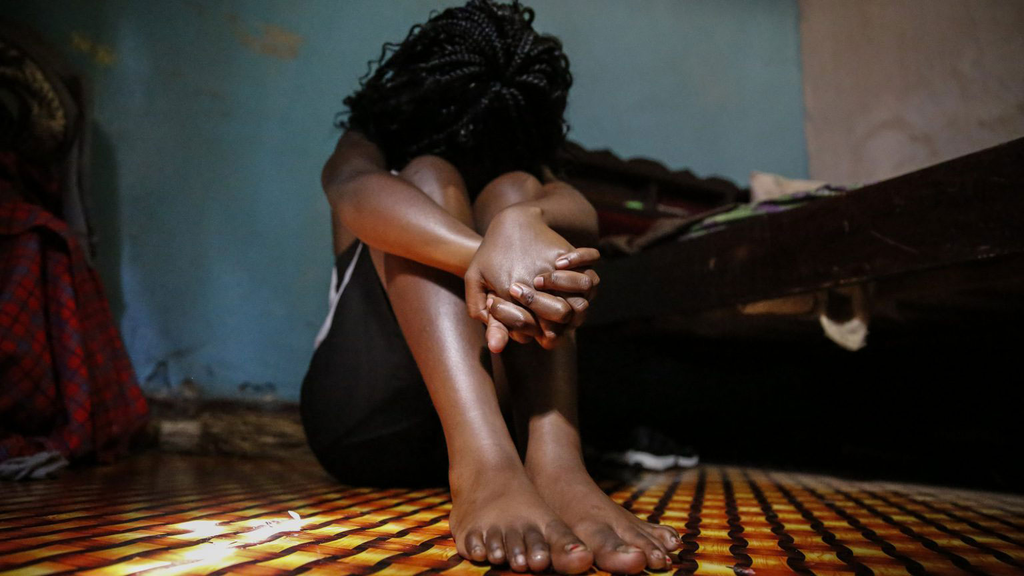
She identified a second priority: the GES ought, over the years, to have established a robust reporting mechanism. Such a mechanism, she said, must be confidential, private and trustworthy, and the persons managing it must themselves be people the young can trust.
Without such structures, she said, girls will continue to lack a safe avenue for reporting signs of harassment or abuse at the earliest stage. She added that the system must be rebuilt around protection, reporting and accountability if schools are to be made safe for girls.
READ MORE: VP Opoku-Agyemang Presses Global South Cooperation in Shanghai Address