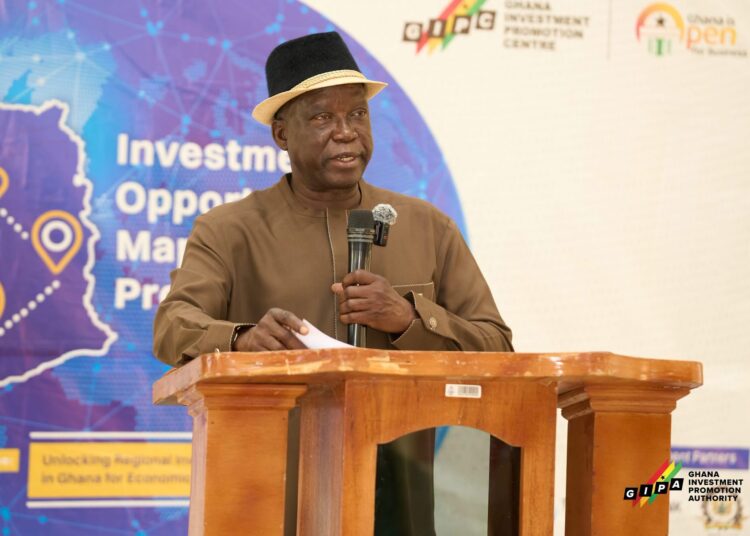
The Upper East Regional Minister, Hon. Donatus Akamugri Atanga, has called on the Ghana Investment Promotion Authority (GIPA) to support the refinement of the region’s 10-year Prosperity through Enterprise, Agriculture, Resilience and Livelihoods (PEARL) Framework to attract investment, diversify economic activity and create sustainable livelihoods.
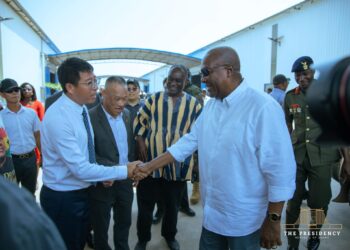
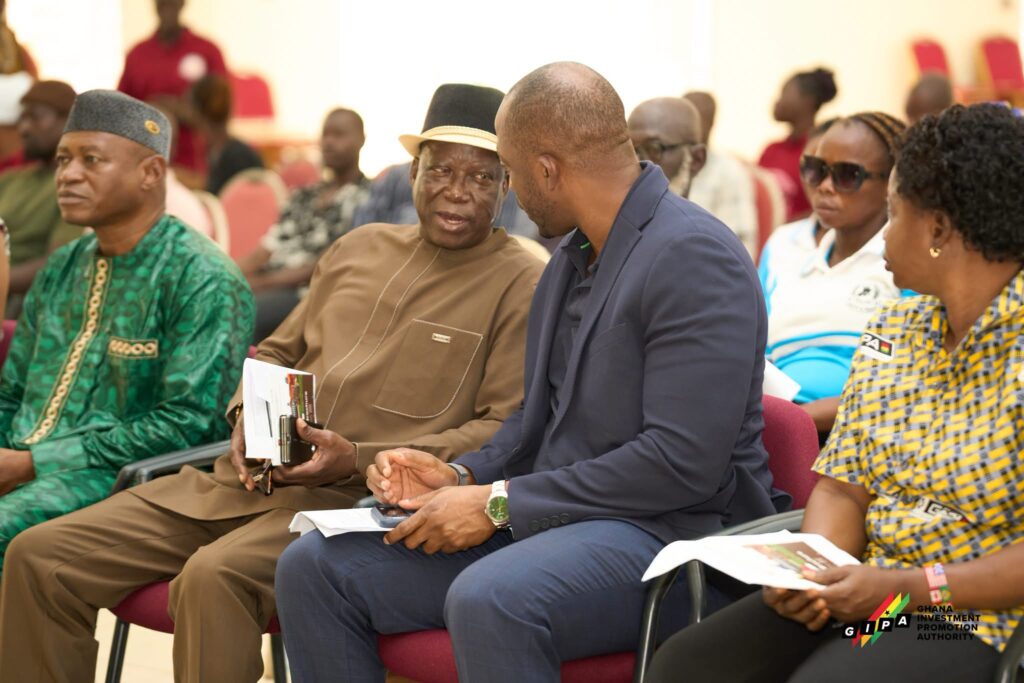
He made the call during a courtesy visit by GIPA’s Deputy Chief Executive Officer, Mr Abdul Razak Baba, as part of the Authority’s regional investment roadshow under the Investment Opportunities Mapping Project (IOMP).
The engagement focused on strengthening collaboration between the regional administration and GIPA to identify investment opportunities, improve the region’s investment profile and connect local development priorities with potential domestic and international investors.
Mr Atanga emphasised the importance of linking mining with agriculture and agro-processing to establish a more diversified and resilient regional economy. He also proposed establishing a GIPA desk in the Upper East Region to facilitate investment promotion, assist prospective investors and support businesses already operating in the area.
”Our message today is simple and unequivocal: The Upper East Region is open for business. We are ready to partner, innovate, invest, and work collaboratively with all stakeholders to build a dynamic, resilient and competitive regional economy.”
Upper East Regional Minister, Hon. Donatus Akamugri Atanga
The request comes as the region advances the PEARL Framework, a development blueprint covering the period from 2026 to 2035. The framework is intended to guide investment mobilisation, economic diversification, enterprise development and improvements in livelihoods across the region.
Strengthening the PEARL Framework
The PEARL Framework is designed to provide a coordinated approach to the Upper East Region’s development priorities by connecting its economic resources with investment opportunities in productive sectors.
According to earlier announcements by the regional administration, the framework seeks to mobilise approximately GH¢8.6 billion in public and private sector investments over its 10-year implementation period.
The investment ambition reflects the scale of resources required to support infrastructure, agriculture, enterprise development and other regional priorities.
Mr Atanga’s appeal to GIPA highlights the importance of aligning regional development planning with investment promotion expertise. By working with the Authority, the regional administration hopes to improve how projects are identified, developed and presented to investors.
The proposed regional investment desk would also provide a more accessible point of contact for businesses seeking information about investment procedures, available opportunities and relevant public institutions.
Mining, Agriculture and Agro-Processing
The Upper East Region possesses mineral resources and agricultural potential that could support different forms of commercial activity. The regional administration has identified agriculture, agribusiness, manufacturing and responsible mineral development as important components of its long-term development strategy.
For agriculture, these activities can help businesses move beyond selling unprocessed commodities towards producing goods with greater commercial value.
Agro-processing opportunities may include the transformation of agricultural produce into marketable products, while improved storage and logistics could help reduce post-harvest losses and strengthen connections between farmers and buyers.
Mining related investment also presents opportunities for local businesses to supply goods and services. However, developing these linkages requires deliberate planning to ensure that economic activity generates wider benefits for communities and other productive sectors.
”The mineral wealth beneath our soil must become a catalyst for broad-based prosperity across agriculture, health, education, infrastructure, enterprise development, and improved livelihoods for every household in our region.”
Upper East Regional Minister, Hon. Donatus Akamugri Atanga
For investors, the availability of a clearly defined regional development plan can help establish the policy priorities against which potential projects may be assessed.
The commercial viability of individual investments, however, will depend on factors such as infrastructure, financing, market demand, operating costs and project readiness.
GIPA Promotes Regional Investment Opportunities
Mr Baba reaffirmed GIPA’s commitment to collaborating with the regional administration to promote investment opportunities across Ghana, particularly in areas beyond Accra.
The Authority’s regional roadshow forms part of efforts under the Investment Opportunities Mapping Project to identify and package investment opportunities across the country’s 16 regions.
The initiative seeks to improve the visibility of regional economic potential and connect suitable projects with prospective investors.
The Deputy Chief Executive Officer encouraged the Upper East Region to present investment-ready projects at the Invest Ghana Summit, scheduled for November 16–17, 2026, at the Kempinski Hotel, Gold Coast City, Accra.
”The time to invest in the Upper East Region is now. The opportunities are real, the potential is immense, and the commitment to success is unwavering.”
Deputy CEO GIPA, Mr. Abdul Razak Baba
For the Upper East Region, participation in the summit could provide an avenue to present projects under the PEARL Framework to a broader investment audience. Such participation would require regional stakeholders to identify projects with clearly defined objectives, financing requirements, implementation arrangements and expected commercial returns.
Beyond the summit, sustained cooperation between GIPA and the regional authorities will be important in maintaining investor engagement and responding to enquiries from businesses considering the region.
The November summit will provide an opportunity for the region to showcase its proposals, while continued engagement with GIPA could help advance investment promotion beyond the event.
READ MORE:IMF Backs Ghana’s Economic Buffers Against Global Commodity Turmoil