Ghana’s economic recovery is facing another critical test as global commodity price uncertainties threaten the export earnings that have helped strengthen the country’s financial position. However, the International Monetary Fund (IMF) believes the country is now better equipped to absorb external shocks, citing policy reforms and economic buffers built in recent months.
Zeine Zeidane, Director of the IMF’s African Department, said Ghana was entering the coming months from a stronger position to withstand potential commodity price shocks, offering a measure of reassurance at a time when the country remains heavily dependent on gold for export revenue.
His assessment comes as policymakers seek to preserve recent economic gains while reducing the economy’s exposure to volatile international markets. Although falling commodity prices could affect Ghana’s earnings, the IMF believes reforms implemented in recent months have strengthened the country’s ability to manage the potential damage.
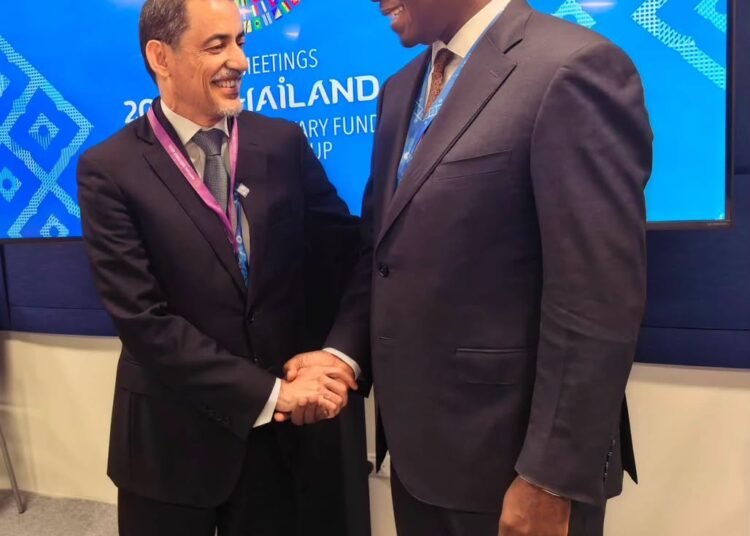
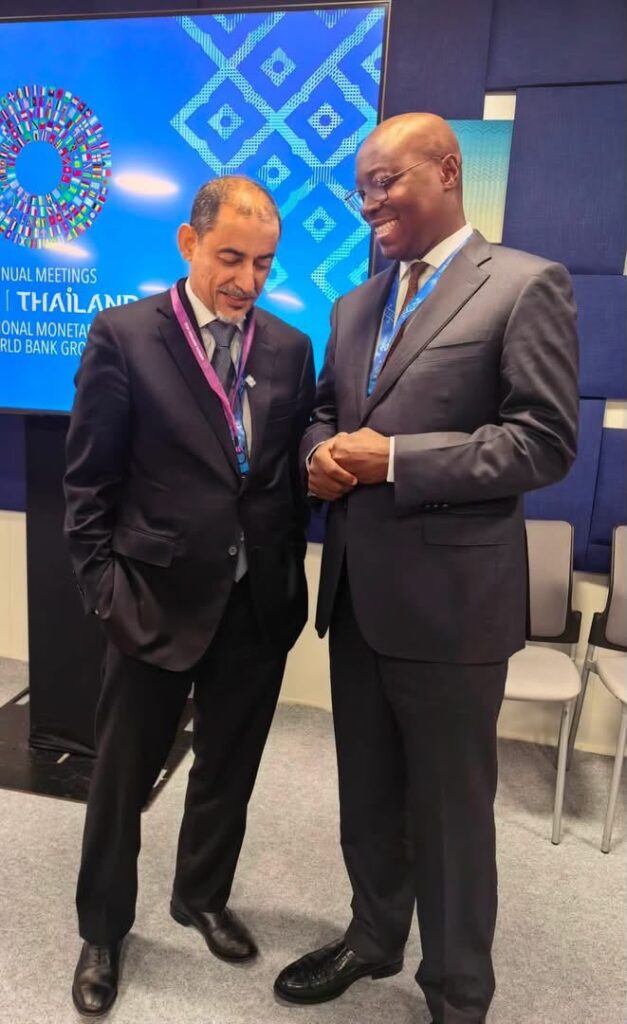
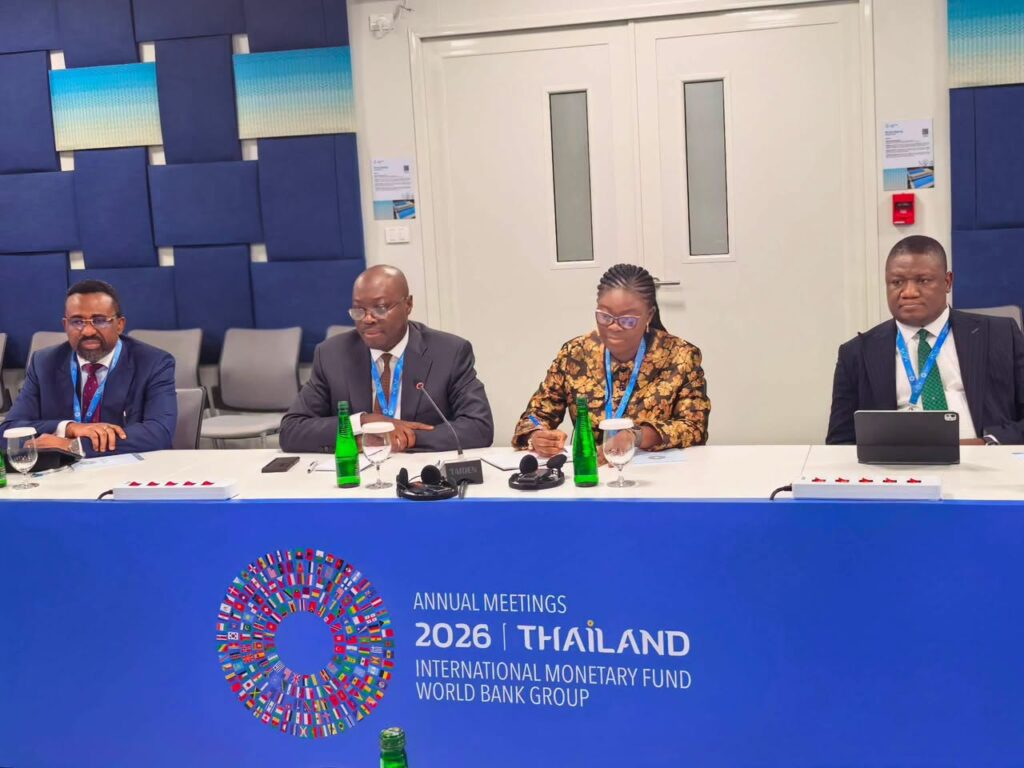
The remarks were made at the launch of the IMF’s Regional Economic Outlook report in Bangkok, Thailand, where the fund addressed economic developments and emerging risks confronting African economies.
Ghana’s Economic Buffers Face a Global Test
Ghana’s improved economic position has provided some protection against external pressures, but its resilience will be tested if international commodity prices weaken significantly.
Zeidane acknowledged that declining commodity prices would affect exporting countries, including Ghana. He maintained, however, that the country’s recent policy measures had strengthened its capacity to absorb the impact.
The distinction matters because Ghana’s economic fortunes remain closely linked to developments in global commodity markets. When export prices rise, the country can generate more foreign exchange, strengthen its external position and improve its ability to meet international obligations. When prices fall, those advantages can quickly weaken.
Gold remains particularly important to this equation. Recent Bank of Ghana data showed that gold was the principal driver of Ghana’s $22.4 billion in export earnings, underscoring the extent to which the precious metal supports the country’s external receipts.
A sustained decline in gold prices could therefore reduce export revenue and complicate efforts to maintain foreign exchange stability. It could also place pressure on the country’s external buffers, particularly if import costs remain elevated or other export receipts fail to compensate for the shortfall.
The IMF’s assessment suggests that Ghana has strengthened its capacity to manage such risks. However, a stronger starting position does not eliminate the possibility of economic disruption if global market conditions deteriorate sharply.
Policy Reforms Strengthen Ghana’s Position
The IMF has linked Ghana’s improved resilience to policy reforms and the buffers accumulated to cushion the economy against external shocks.
These measures are important because commodity price movements are largely beyond the control of domestic policymakers. Governments cannot determine the international price of gold, cocoa or crude oil, but they can influence how effectively the economy responds when market conditions change.
Stronger economic management can help limit the damage caused by falling export receipts, while adequate buffers provide room to respond to unexpected pressures.
Zeidane also described Ghana’s economic performance as strong, pointing to upgrades from two credit rating agencies as evidence of the improvement.
Credit rating upgrades can strengthen perceptions of a country’s ability to meet its financial obligations. They may also improve access to international capital markets and support investor confidence, although actual borrowing costs continue to depend on market conditions and the country’s broader risk profile.
For Ghana, maintaining these gains will require continued policy discipline, particularly if the external environment becomes less favourable.
The challenge is to ensure that the recent improvement in economic conditions translates into lasting resilience rather than temporary relief driven by favourable commodity prices.
Gold Dependence Remains a Major Vulnerability
Despite the IMF’s confidence, Ghana’s dependence on gold exports remains a significant source of economic exposure.
The metal has become a major contributor to export earnings, helping generate foreign exchange at a time when the country has been working to strengthen its external position.
Yet heavy reliance on a single commodity can leave an economy vulnerable to sharp price swings. A decline in gold prices could reduce the value of exports even if production volumes remain stable, weakening the inflow of foreign currency.
Such a development could complicate exchange-rate management and make it harder to sustain improvements in the country’s external accounts.
Diversifying exports beyond gold and other primary commodities would help reduce this vulnerability over time. Expanding manufacturing, strengthening agro-processing and supporting higher-value exports could create additional sources of foreign exchange and reduce the economy’s dependence on international commodity cycles.
These changes, however, require sustained investment, stronger productive capacity and policies that help businesses compete in international markets.
The IMF’s remarks offer reassurance about Ghana’s immediate capacity to withstand shocks, but they also highlight the importance of consolidating the reforms already undertaken.
AI and Fuel Subsidies Add to the Policy Debate
Beyond commodity prices, Zeidane addressed questions about artificial intelligence and its potential implications for productivity across African economies.
He said the full impact of the technology on Ghana and other African countries remained uncertain. While suggesting that its effect on jobs in Africa could be limited, he cautioned against underestimating its potential influence.
The issue presents both an opportunity and a risk for Ghana. Artificial intelligence could improve productivity, support business operations and create new economic opportunities. However, its longer-term effects on employment, skills and the structure of work remain difficult to predict.
Zeidane also addressed fuel subsidies, explaining that the IMF was not opposed to measures intended to reduce petroleum prices at the pump.
He cautioned, however, that poor targeting often prevented such policies from delivering their intended benefits.
The distinction is relevant to Ghana, where fuel prices influence transportation, food distribution, manufacturing costs and household spending. Subsidies that fail to reach the intended beneficiaries can place pressure on public finances without providing sufficient relief to vulnerable households.
Better-targeted support could help protect those most affected by high fuel costs while limiting the fiscal burden.
Ghana Must Protect Its Economic Gains
The IMF’s assessment provides a positive outlook for Ghana as it confronts uncertainties in the global commodity market. Policy reforms, stronger economic performance and improved credit ratings have helped reinforce confidence in the country’s ability to withstand external pressures.
However, the risks associated with gold dependence remain, and the strength of Ghana’s economic buffers will ultimately be tested by developments beyond its borders.
Sustaining the recovery will require continued policy discipline, careful management of external risks and a determined effort to broaden the sources of export earnings.
Ghana may now be better positioned to withstand commodity price shocks, but preserving that advantage will depend on how effectively the country uses its current stability to build a more diversified and resilient economy.
READ ALSO: GSE Trades 6.87 Million Shares as MTN Ghana Leads Volume