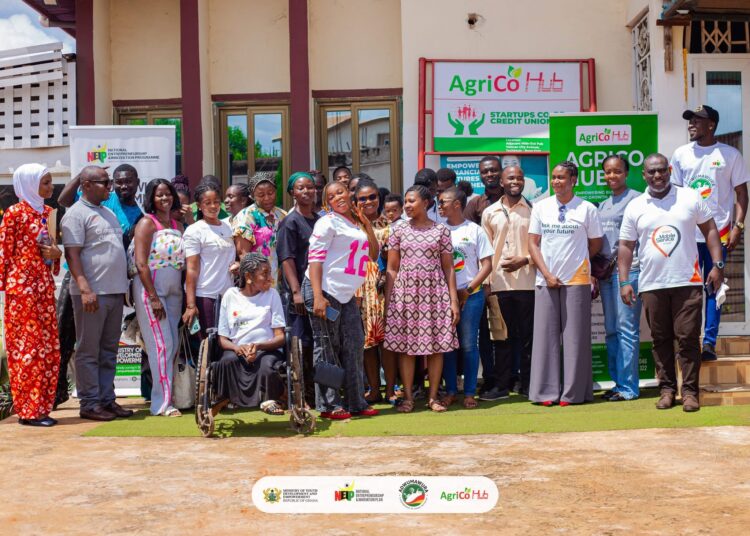
The Adwumawura Programme has brought entrepreneurs into direct engagement with key government institutions and business support organisations during a breakfast meeting designed to improve understanding of regulatory compliance, business certification and opportunities for enterprise growth in Ghana.
The meeting provided participants with an opportunity to interact with representatives of the Ghana Revenue Authority (GRA), Ghana Standards Authority (GSA), Environmental Protection Agency (EPA), Social Security and National Insurance Trust (SSNIT) and other institutions responsible for taxation, standards, environmental regulation and social security.
The engagement focused on practical business requirements, helping participants understand the institutional processes that businesses must navigate to operate formally, meet regulatory obligations and position themselves for growth.
The Adwumawura programme established that, rather than concentrating solely on entrepreneurship theory, the session created an opportunity for direct discussions with organisations that influence business operations.
”Conversations about what it actually takes to get certified, stay compliant, and access the kind of opportunities that help a business grow beyond its starting point.”
Adwumawura Initiative
Bridging Entrepreneurs and Institutions
The breakfast meeting forms part of the broader objective of the Adwumawura Programme, a government initiative implemented by the National Entrepreneurship and Innovation Programme (NEIP) to support young Ghanaian entrepreneurs through business development training, mentorship and funding opportunities.
According to NEIP, the programme aims to support the creation of at least 10,000 sustainable businesses annually. Its support framework includes structured entrepreneurship training, business mentorship and access to funding intended to help eligible participants establish or expand their enterprises.
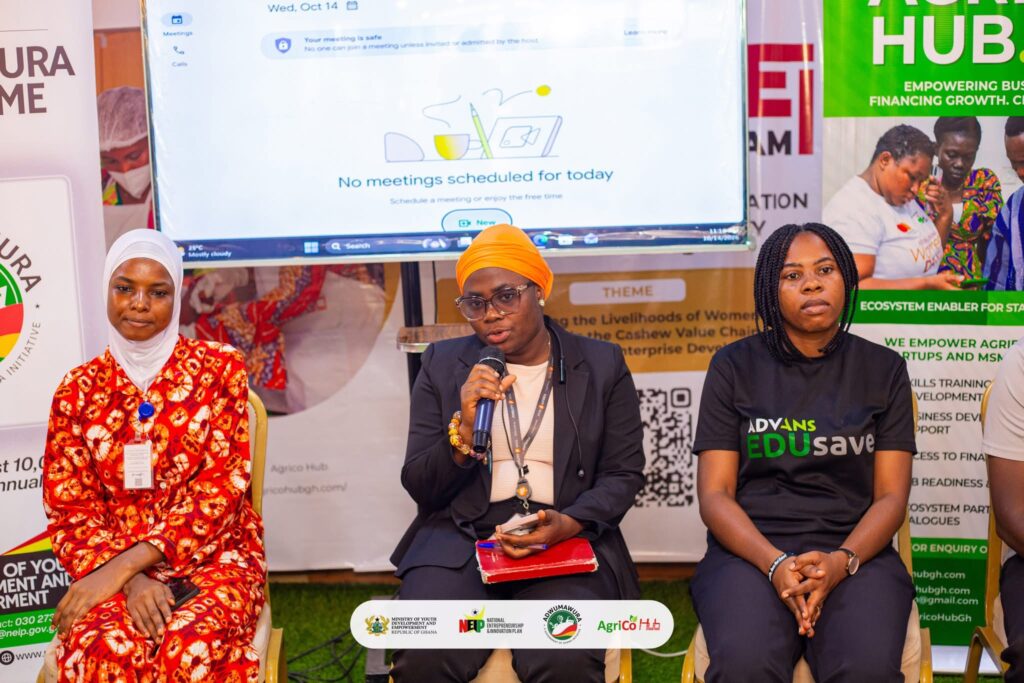
The Engagements with public institutions are particularly relevant to entrepreneurs transitioning from small scale operations to more structured businesses.
And understanding tax registration and obligations, product certification, environmental requirements and pension contributions can help business owners identify their responsibilities and prepare for formal operations.
The GRA administers Ghana’s tax system, while the GSA is responsible for standards, testing, inspection and certification services.
The EPA oversees environmental protection and relevant environmental regulatory requirements. SSNIT administers Ghana’s social security scheme, including pension arrangements for workers covered by the scheme.
”Participants got to sit face-to-face with representatives from key institutions, finance bodies, the Ghana Revenue Authority, GSA, EPA, SSNIT and more.”
NEIP
Compliance as a Foundation for Growth
For entrepreneurs, regulatory compliance extends beyond fulfilling statutory requirements. Depending on the nature of their businesses, meeting the relevant standards can support access to formal markets, institutional buyers and business partnerships.
Also, product manufacturers, food processors and agribusiness operators, for example, may need to meet applicable product safety, quality and environmental requirements before entering particular markets.
The emphasis on participants to understand the various requirements early can help businesses plan for certification costs, documentation and operational adjustments.
More over the tax compliance and proper financial records are also important considerations for enterprises seeking financing.
Although access to credit depends on individual lenders’ requirements and a business’s financial position, entrepreneurs who understand their obligations are better placed to prepare the documentation needed for financial assessments.
The meeting’s direct engagement format allowed participants to raise questions with representatives of the relevant institutions and obtain information related to their business operations.
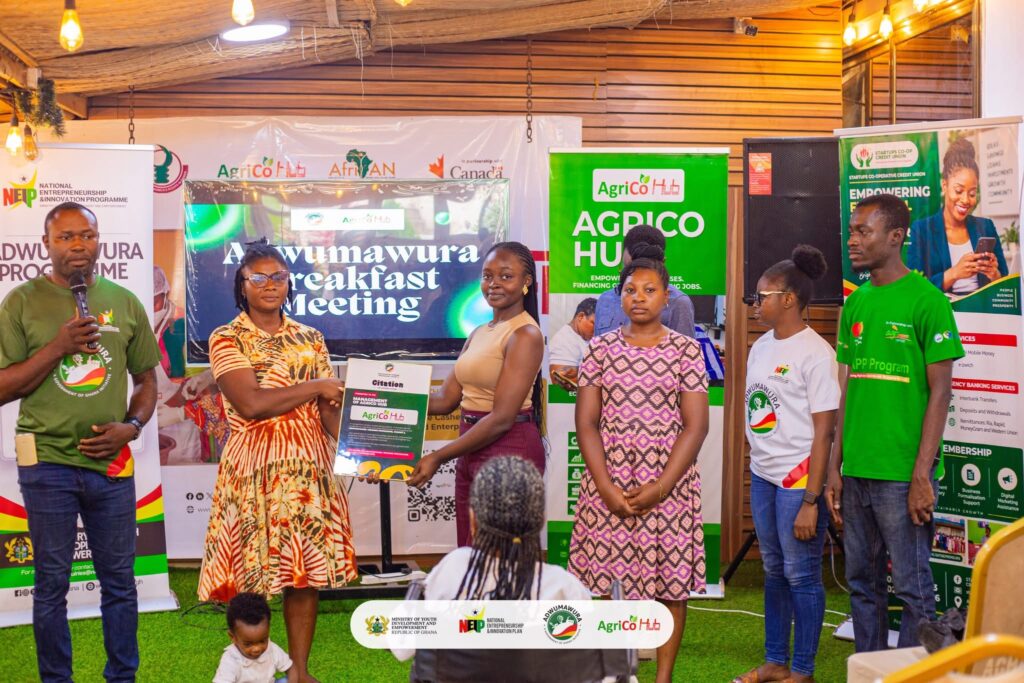
Strengthening Ghana’s Entrepreneurial Ecosystem
The breakfast meeting highlights the importance of connecting entrepreneurship support programmes with the institutions that regulate and facilitate business activity.
It places more emphasis on training and funding can help entrepreneurs establish enterprises, but sustained growth also requires knowledge of applicable laws, industry standards, employment responsibilities and the procedures governing access to markets.
For the Adwumawura Programme, engagements of this nature provide a practical avenue for linking business development support with the institutional knowledge entrepreneurs need to manage their operations.
The meeting also underscores the importance of communication between business owners and public agencies, particularly for entrepreneurs who may be unfamiliar with regulatory procedures or the requirements for formalising their businesses.
As Ghana pursues private-sector development and employment creation, equipping entrepreneurs with both business management skills and regulatory knowledge remains an important part of building sustainable enterprises.
The breakfast meeting therefore provided a platform for dialogue between entrepreneurs and key institutions, with discussions centred on compliance, certification and the practical requirements for growing businesses beyond their initial stages.
READ MORE :Mahama: Ghana’s BRICS Bid Targets Jobs, Industry, Wider Partners