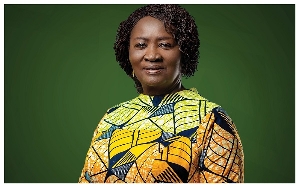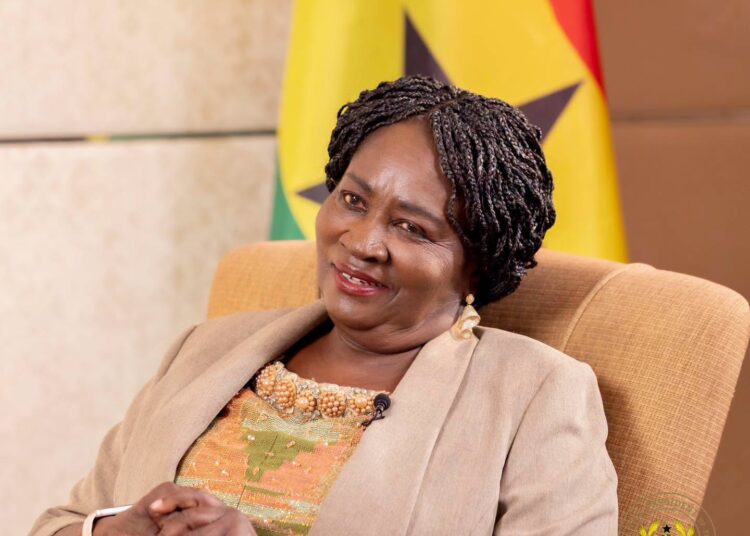
Vice President Professor Jane Naana Opoku-Agyemang has urged Global South nations to turn their shared history into stronger institutions, productive economies and deeper cooperation.
She delivered the message at the 2026 Global South Academic Forum in Shanghai, China, held under the theme “Global South Political Parties: Governance and Modernisation.”
In her address, Vice President Opoku-Agyemang argued that universities across the Global South should collaborate more directly on research, technology and artificial intelligence.
She also called for a more representative international order, with fairer global financial arrangements and a stronger voice for developing countries in the institutions that shape their futures.
“Winning political power and governing effectively are related but not the same responsibility.”
Vice President Professor Jane Naana Opoku-Agyemang
Independence Is Only the Beginning
Vice President Opoku-Agyemang opened with history. She reflected on the struggles that shaped the Global South, from the Pan-African vision of Dr Kwame Nkrumah to liberation movements across Asia, Africa, Latin America and the Caribbean.
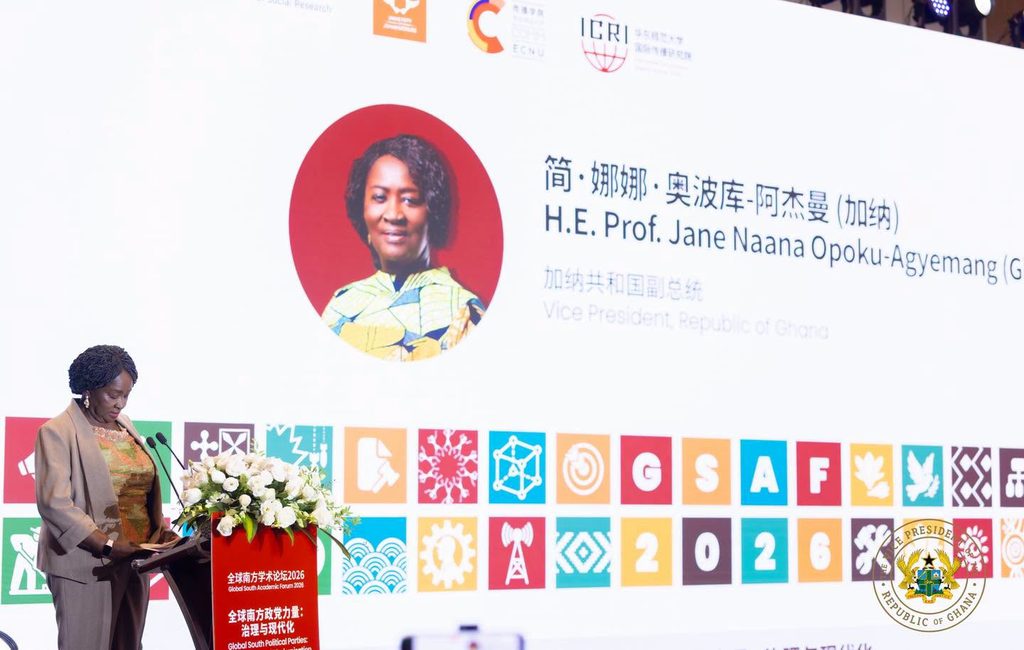
Those struggles, she explained, centred on political independence and the right of nations to decide their own futures. She treated independence as a starting point. Our shared history, she stated, reminds us that political independence is only the beginning.
“The greater task is to build strong institutions, productive economies and systems that respond to our people’s aspirations.”
Vice President Professor Jane Naana Opoku-Agyemang
The Forum’s theme put political parties at the centre, and the Vice President widened the point. Parties, governments, universities and other institutions must continually evolve, she argued, and they must strengthen accountability and build the capacity to respond to changing realities.
Her message applied to every institution that shapes public life, not only to those in power.
Lessons From China, Without a Template
Vice President Opoku-Agyemang spoke warmly of her host country. China’s development experience offers valuable lessons in long-term planning, industrialisation and institutional coordination, she stated.
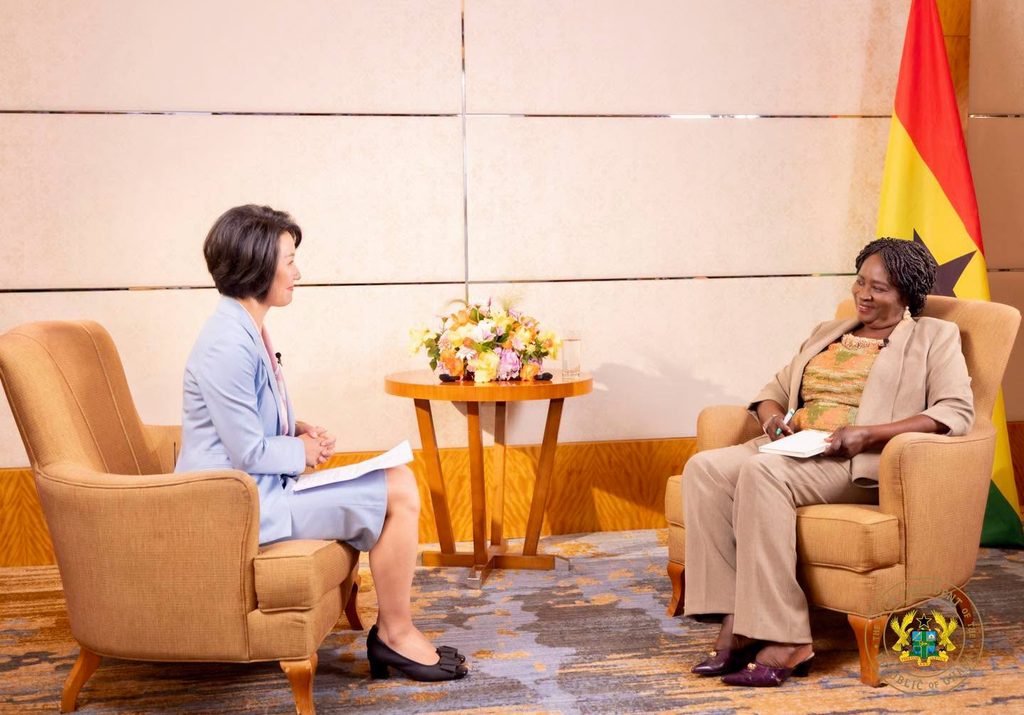
Ghana’s own ties with Beijing are already active. Finance Minister Dr Cassiel Ato Forson has pressed for a shift in Ghana-China trade strategy, and Stanbic became the first bank to offer direct yuan payments in Ghana. Earlier reporting also covered a $30 million grant and how Ghana has strengthened ties with China.
She added a note of caution about how countries learn from one another. Meaningful South-South cooperation, she insisted, must be “grounded in mutual learning rather than the assumption that countries must follow identical development paths.” Different histories and circumstances, she explained, call for solutions that reflect each country’s own realities.
The Vice President stressed cooperation across research, education, technology and innovation. Artificial intelligence and other emerging technologies are reshaping economies, she noted, and universities and research institutions across the Global South must respond by working together more directly.
She asked them to share knowledge and develop solutions that meet the needs of their own societies. The call echoes a theme The Vaultz News has followed, including a warning from Prof. Frimpong-Boateng that Ghana’s poverty gap is a technology gap. It also fits Ghana’s own push on university research, shown by a grant to the Damongo tech university.
A More Representative International Order
Vice President Opoku-Agyemang then turned to the international system. The Global South needs a more representative and equitable order, she argued, and it must work towards better multilateralism.
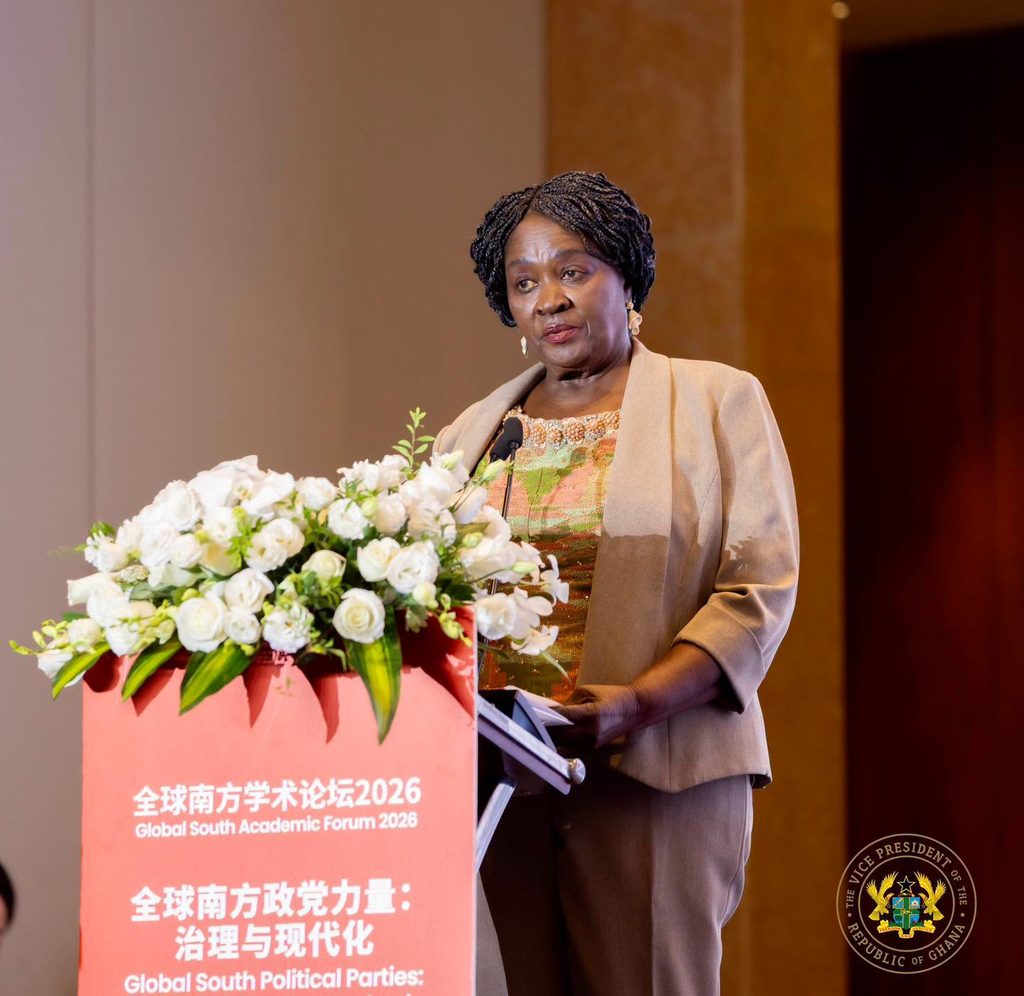
She listed three goals: fairer global financial arrangements, stronger representation in international institutions and greater participation in shaping decisions that affect developing countries.
Her remarks gave no figures and named no particular institution or reform. She framed the case as a matter of principle and shared effort. The Vice President closed with advice on how Global South partners should treat one another. “Cooperation does not require us to think alike.”
Partners need the confidence to disagree respectfully, she explained, and to learn from one another’s successes and failures while they keep working towards shared goals. She encouraged the Forum to sustain the intellectual partnerships and honest exchanges needed to move beyond familiar debates and towards practical solutions.
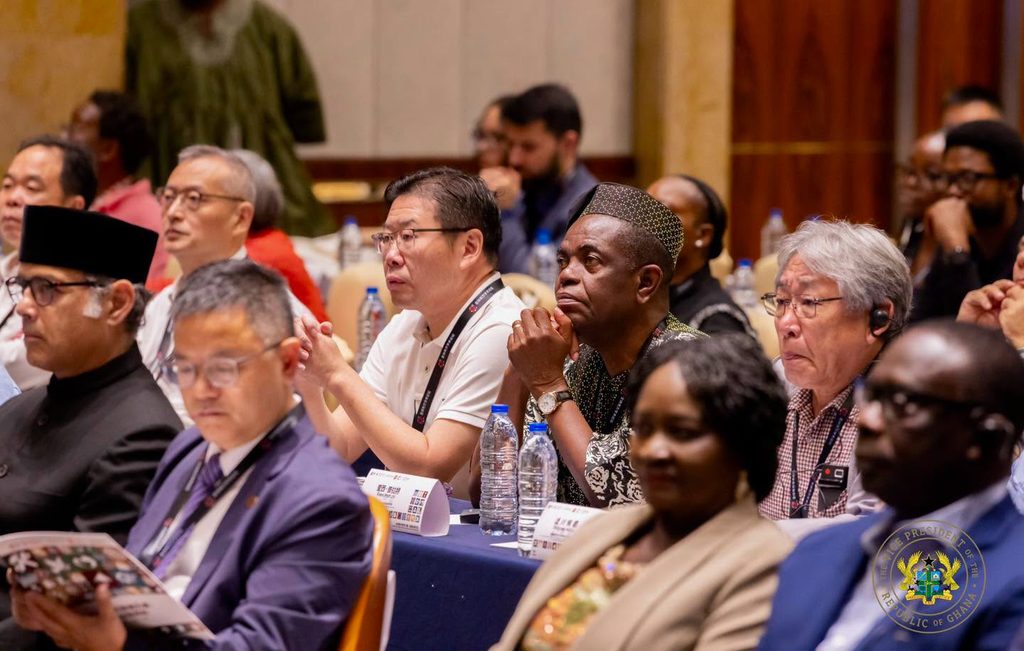
The Vice President has set out Ghana’s position: cooperation among Global South countries should rest on respect for difference and on research that serves their own people.
READ ALSO: Barcelona Thump Betis to Extend Winning Streak to 11 Games