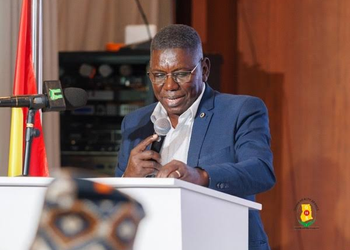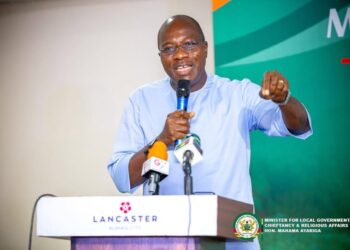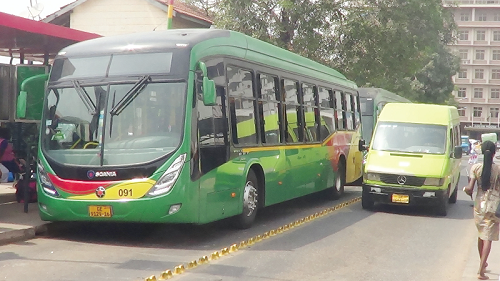
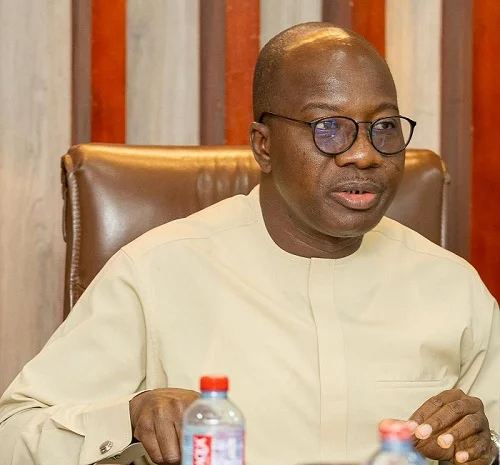
The Minister for Local Government, Chieftaincy and Religious Affairs and Member of Parliament for Bawku Central, Honourable Mahama Ayariga has defended plans for contraflow buses to return to their loading points without passengers, insisting that the arrangement is profitable despite the additional journeys.
The Local Government Minister indicated that operators would collect fares on the outward journey and make further trips using the same buses, rather than wait for additional vehicles.
“Now, when I move you from the normal lane to the contraflow lane, and you pick everybody at 7 Ghana cedis, and then you don’t stop. You use only 45 minutes instead of 3 hours and you would have burnt much, much, much less fuel.”
Honourable Mahama Ayariga
Honourable Ayariga explained that conventional public transport operators often spend about three hours travelling from areas such as Amasaman or Kasoa into Accra, stopping repeatedly to pick up and drop off passengers. Although those short-distance fares may cumulatively generate more revenue, he noted that the extended journey also increases fuel consumption.
Under the contraflow arrangement, however, buses collect passengers at designated loading points and travel directly to their terminating destinations.
The Bawky Central MP also pointed out that the service’s faster journey time has strengthened public demand, with commuters increasingly seeking places on the buses. Consequently, operators could undertake another outward trip after returning to their starting points, even if they did not carry passengers on the return leg.
On the financial implications of running buses back empty, particularly whether operators could absorb the additional fuel costs, Honourable Ayariga acknowledged that he has not received the precise figures from the pilot, although he indicated that operators consider the proposed expansion feasible and that the model could “sustain operators without government subsidies.”
He also disclosed that discussions are underway with other ministers on the possibility of subsidising fuel for return journeys.
The Minister is therefore pressing operators to increase morning trips from three to four, five or six, depending on passenger demand. He believes the existing fleet can achieve that expansion, provided the return journeys are managed efficiently.
Police To Stop Private Vehicles Following Contraflow Buses
In a related development, The Minister for Local Government, Chieftaincy and Religious Affairs, Honourable Mahama Ayariga outlined security measures intended to prevent private vehicles from unlawfully joining buses operating under the contraflow system.
Honourable Ayariga explained that police escorts and Motor Traffic and Transport Department (MTTD) officers would help protect the buses and regulate movement at key intersections.
The Member of Parliament for Bawku Central indicated that “additional motorbikes would be provided to the police, while officers would be stationed at identified intersections to stop private vehicles attempting to follow the buses.” The measures are intended to preserve the operation’s efficiency and improve safety as the service increases its number of trips.
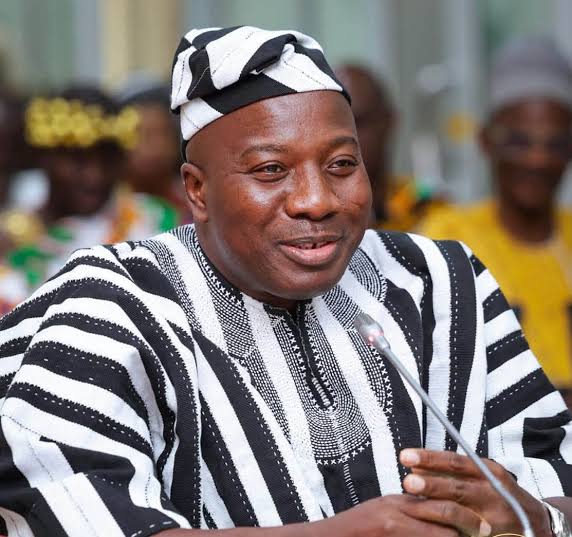
“We’ve directed the police that are escorting the Ayalolo that they must pay attention. If they observe private individuals following them, they should go to their rear and then block them and then go back.”
Honourable Mahama Ayariga
In addition, MTTD personnel would be deployed at selected intersections to prevent unauthorised vehicles from entering the contraflow movement.
The Minister indicated that between 30 and 40 motorbikes have been secured for the police, which would be handed over to the Motor Traffic and Transport Department. The department has also been tasked with identifying the intersections where officers would be required to supervise the buses’ passage.
He identified two principal objectives for the deployment: “helping to maintain safety at intersections and preventing private motorists from taking advantage of the designated bus movement.”
These measures accompany the planned increase in the number of trips made by existing buses. Rather than expanding the fleet, the ministry intends to have operators return to their loading points after dropping passengers in Accra, enabling them to undertake further journeys during peak periods.
Honourable Ayariga has also explained that additional dispatch riders would support the return movements by guiding buses back to their loading points. The police deployment, meanwhile, is intended to ensure that the buses can travel through intersections without unauthorised vehicles joining their routes.
The Minister’s account places enforcement and traffic coordination alongside the operational changes planned for the contraflow service. The effectiveness of the arrangements will depend on the police identifying the necessary intersections and consistently preventing private vehicles from disrupting the designated bus movement.
READ ALSO: Elba and Google Launch Free AI Filmmaking Programme