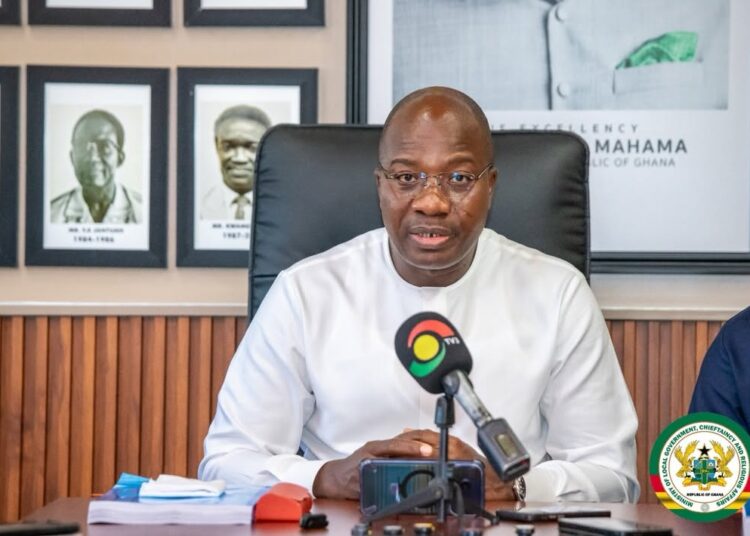
Local Government Minister Mahama Ayariga says the Ayalolo Bus Rapid Transit (BRT) contra flow arrangement, which took effect on Tuesday, 29 September 2026, will make public transport more dependable and take pressure off Accra’s clogged roads.
In a statement marking the rollout on the Kasoa, Adenta and Amasaman corridors, the Minister declared: “This will drastically improve reliability, cut journey times, and ease the pressure from private vehicles.” Hon Ayariga, who oversees the Ministry of Local Government, Chieftaincy and Religious Affairs, said he personally authorised the arrangement.
Under it, authorised BRT buses travel against the normal flow of general traffic on designated sections of the three corridors during the morning peak from 6am to 9am and the evening peak from 4pm to 8pm, allowing them to bypass the gridlock that grips the routes into the Central Business District.
Ayariga Frames Ayalolo BRT Contra Flow as a Fix for Gridlock
The Minister opened his statement by casting the rollout as a turning point for the capital. “Today, September 29, 2026, we take a decisive step to fix Accra’s congestion,” he wrote.
He tied the policy directly to the cost of congestion on ordinary workers and the wider economy. “For too long, gridlock has strangled our economy and stolen time from commuters,” Ayariga said, describing the measure as an effort to reclaim designated sections of the three corridors for mass transit.
That framing places economic productivity at the centre of the argument. Hours lost in traffic on the Kasoa, Adenta and Amasaman routes translate into late arrivals at offices and markets, higher fuel costs for commercial drivers and reduced time for families, and the Minister’s statement presents the contra flow lanes as a direct response to those losses.
Reliability at the Heart of the Promise
Reliability sits first among the three outcomes Hon Ayariga promised, and it may prove the most important. Ayalolo buses have operated in the same traffic as every other vehicle on the approaches to Accra, which means their arrival times have depended on the same congestion that delays private cars and trotros.
By giving the buses a lane against the flow of general traffic, the arrangement removes much of that uncertainty during the hours when congestion peaks. A commuter who can predict when a bus will arrive and how long the trip will take has a stronger reason to leave a car at home, and that predictability underpins the Minister’s wider goal.
The Ministry’s earlier press release, issued on 27 September, set out the same ambition, listing improved reliability and punctuality of Ayalolo BRT services as the first expected benefit of the intervention.
Shorter Journey Times for Accra Commuters
The second promise, cutting journey times, rests on the physical design of the contraflow lanes. Buses travelling in the priority direction on designated stretches will not have to queue behind private vehicles, taxis and commercial vehicles, all of which are barred from using the lanes.
For workers travelling from Kasoa or Amasaman, where morning journeys into central Accra can stretch well beyond an hour on congested days, even modest time savings could shift daily routines.
The real measure will come from what passengers experience over the coming weeks rather than from projections, and early commuter feedback is likely to shape public confidence in the scheme.
Easing the Pressure From Private Vehicles
The third outcome Hon Ayariga identified addresses the root of Accra’s traffic problem. Large volumes of private vehicles crowd the city’s main approaches every weekday, and the Ministry has argued that encouraging a shift to mass public transport offers a more lasting solution than widening roads.
The logic works in stages. If buses become faster and more reliable, more commuters choose them, fewer private cars enter the corridors, and congestion eases for everyone, including those who continue to drive.
Whether enough commuters make that switch depends on bus capacity, fares, frequency and comfort, questions the Ayalolo BRT management was expected to address at its public briefing on Monday.
Enforcement and Cooperation Remain Critical
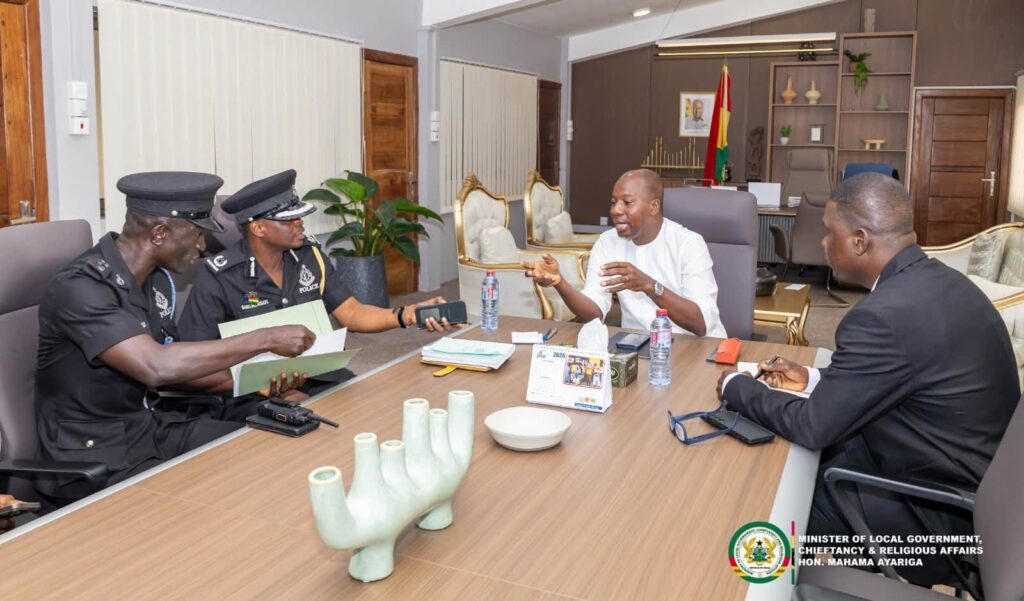
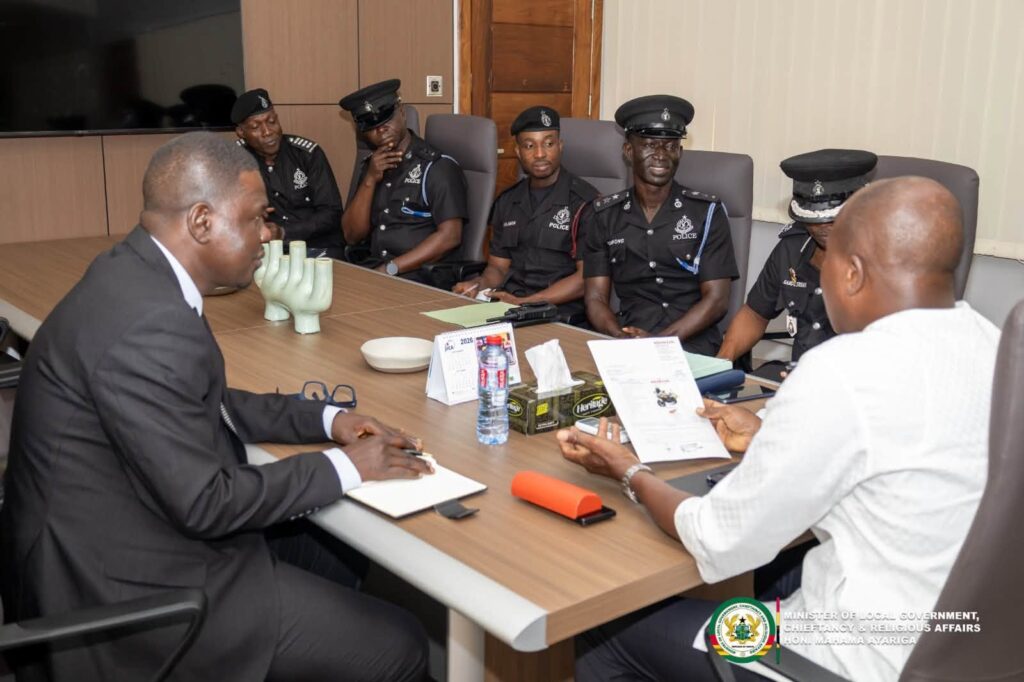
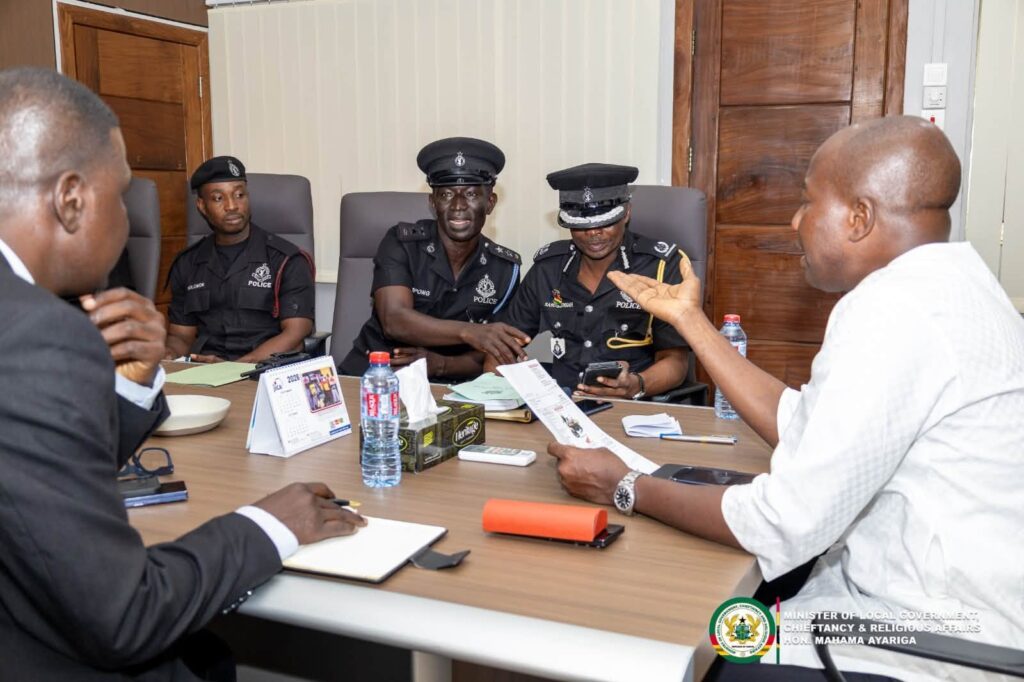
Hon Ayariga acknowledged that the arrangement cannot succeed without discipline on the road. “We ask for the cooperation of all motorists and the strict enforcement of the MTTD,” he wrote, referring to the Motor Traffic and Transport Department of the Ghana Police Service.
The MTTD is providing traffic control and enforcement support at strategic locations and major intersections along the three corridors. The Ministry is implementing the scheme alongside the MTTD, the Greater Accra Passenger Transport Executive (GAPTE) and the Department of Urban Roads (DUR).
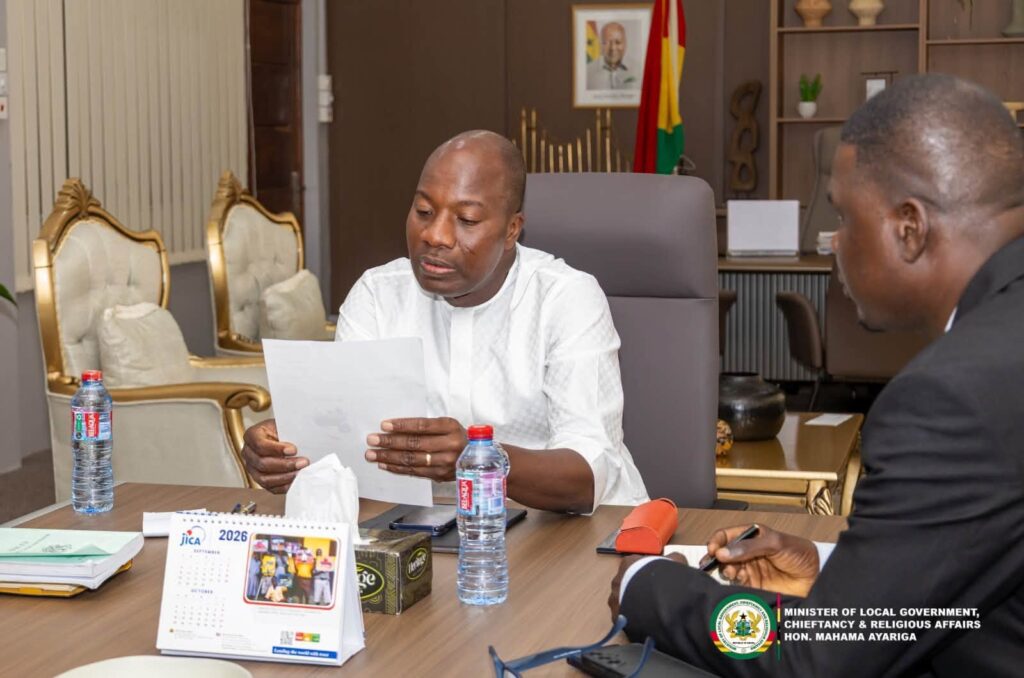
The Minister closed his statement with a four-word rallying call: “Accra must move again.” The first days of implementation will reveal how motorists, trotro operators and pedestrians adapt to buses travelling against oncoming traffic on familiar roads.
If the promised gains in reliability and journey times materialise, the Kasoa, Adenta and Amasaman corridors could become the template for extending contraflow lanes to other congested routes across the Greater Accra Metropolitan Area.
READ ALSO: Mahama Courts Amazon On Broadband As Ghana Chases Tech Investment