
Dr Hafiz Adam Taher, Director of Technical Coordination at the Ministry of Health, has urged research-led action against non-communicable diseases (NCDs).
At the 2ND National NCD Research Conference, themed “Advancing Ghana’s NCD Research Towards Attaining Primary Healthcare Goals,” he urged stakeholders to turn evidence into better NCD prevention, detection and management.
“Our focus must be on ensuring that research translates into practical solutions that address gaps in healthcare delivery and improve the quality of life for people living with NCDs.”
Dr Hafiz Adam Taher, Director of Technical Coordination at the Ministry of Health
Dr Taher explained that the conference offered an opportunity to review previous recommendations and strengthen work on cardiovascular diseases and type 2 diabetes.
He acknowledged the Ghana Health Service and GIZ for partnering with the Ministry of Health through the Integrated Health Care Initiative. The partnership builds on Ghana’s health initiatives and brings institutions together to improve NCD prevention, detection and management.

The first day examined the scale and distribution of the disease burden. Findings from the Dodowa, Navrongo and Kintampo Health Research Centres were to be considered alongside routine facility data to identify district and national priorities.
Day two would examine practical interventions, frontline training, shared responsibilities and long-term care financing for patients who may require care over many years.
NCD Statistics Highlight Pressure on Health Services
Dr Taher warned that Ghana’s health system must continue addressing malaria, tuberculosis and other infectious diseases alongside rising needs linked to cardiovascular diseases, diabetes, cancers and chronic respiratory conditions.
He cited World Health Organization estimates that NCDs accounted for about 49.9 per cent of deaths in Ghana in 2023.
“And so together these three elements form an enhanced continuum of care so that patients can continue to receive the care they need as their conditions change.”
Dr Hafiz Adam Taher, Director of Technical Coordination at the Ministry of Health
The 2023 national STEPS survey found that 21.7 per cent of adults aged 18 to 69 had hypertension, while 5.2 per cent had raised fasting blood sugar or were taking medication for diabetes. Ministry of Health data also recorded more than 577,000 hypertension cases in 2025.
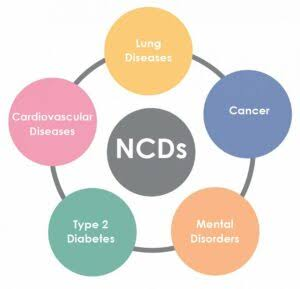
He noted that long-term medication and follow-up can be difficult when travel, distance and time away from work prevent patients from attending appointments.
Free Primary Healthcare to Support Early Detection
Dr Taher described bringing services closer to communities as central to Ghana’s healthcare plans. He pointed to free primary healthcare screening as a way to detect conditions early and enable timely intervention.
For patients needing further treatment, the National Health Insurance Scheme covers eligible services at district hospitals and higher levels of care. He noted that uncapping the National Health Insurance Fund strengthens the scheme’s capacity to support these services.
He also highlighted MahamaCares, the Ghana Medical Trust Fund, which supports patients needing specialist treatment, including cancer care.
The three components are free primary healthcare, NHIS coverage and MahamaCares. He stressed that the care pathway must be assessed through patients’ experiences.
Research Can Identify Gaps in Patient Follow-Up
He urged health authorities to combine research with routine monitoring to identify “where patients are having challenges” in accessing care. When screening detects raised blood pressure, the system must establish whether the patient receives a confirmed diagnosis, begins treatment and remains under follow-up.
Where patients miss appointments, authorities must understand the barriers before directing additional resources to affected districts.
Dr Taher maintained that evidence should guide the design, implementation and evaluation of government programmes, including free primary healthcare, to ensure interventions address identified gaps and improve outcomes.
He added that research priorities should reflect the experiences of frontline health workers and people living with NCDs, who can identify practical obstacles affecting access and service delivery.
“We also need to know which approaches improve outcomes and can be sustained.”
Dr Hafiz Adam Taher, Director of Technical Coordination at the Ministry of Health
Conference Urged to Set Clear Research Priorities
Dr Taher called on government agencies, research institutions, academic institutions, development partners, civil society and the private sector to help frame and answer research questions. He also encouraged early-career researchers to learn from experienced colleagues and help address service delivery challenges.

He urged participants to leave the conference with research priorities, identifying the decisions requiring evidence, the data needed and the institutions best placed to take each issue forward.
That process, he explained, would help the Ministry of Health, Ghana Health Service and partners incorporate recommendations into sector plans and review progress.
The conference is expected to connect research findings with practical decisions, strengthening Ghana’s ability to prevent and manage NCDs through primary healthcare.
READ MORE: Media Fund Alone Cannot Secure Ghana’s media industry reforms