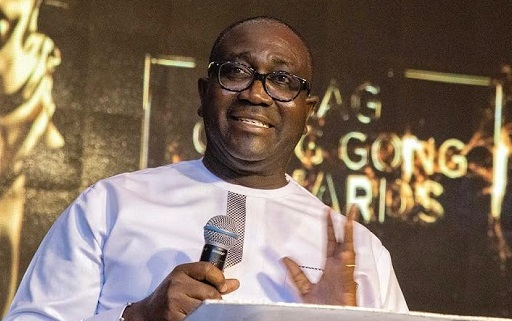
Executive Secretary of the National Media Commission (NMC), George Sarpong, has called for media funding decisions to be guided by evidence of the issues newsrooms cover, arguing that grants should reward public-interest journalism.
Speaking in an interview, Sarpong proposed reviving a monitoring system developed by the Commission to assess media coverage and inform funding decisions. His recommendation follows President John Mahama’s announcement of GH¢10 million in seed funding for the Media Development Fund, intended to support Ghana’s media industry.
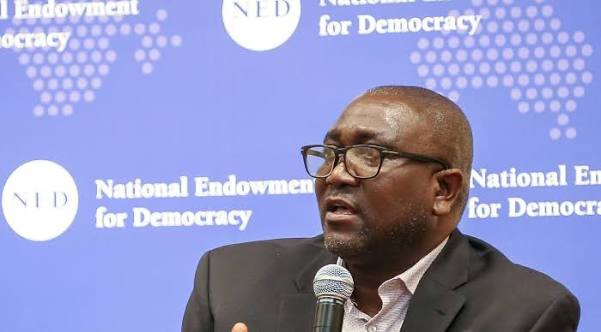
“At the National Media Commission, we previously developed a monitoring tool known as the Credibility Measurement Index (CMI) to assess the issues media organisations covered and measure their commitment to matters of public interest.”
Executive Secretary of the National Media Commission (NMC), George Sarpong,
Sarpong explained that the Credibility Measurement Index tracked the issues covered by media organisations, including children’s welfare, agriculture and health. He wants the evidence generated through such monitoring to help determine which outlets qualify for support.
Under the proposed approach, a media organization’s coverage record would provide a basis for assessing its commitment to a particular subject. Sarpong cited maternal health as an example, arguing that an outlet applying for funding to improve its reporting in that area should demonstrate an existing record of coverage.
Credibility Measurement Index Could Guide Grants
That record would help fund managers determine whether a grant could strengthen work already taking place in a newsroom and connect public investment to journalism addressing important social issues.
The proposal places evidence at the centre of grant allocation, allowing fund managers to assess applicants’ actual coverage rather than relying solely on stated intentions. The index could give fund managers a picture of each applicant’s contribution to specific areas of public interest.
It would also help distinguish organizations with sustained coverage from those whose proposals reflect only a temporary interest in a subject. For Sarpong, this evidence should inform decisions about where limited resources can make a meaningful difference.
Accountability Must Extend to Grant Recipients
Beyond the criteria used to select beneficiaries, Sarpong stressed that media organisations receiving grants must demonstrate that they have systems to account for the funds.
“If we are going to give a grant to any media organization, that media organization itself must have systems that support accountability.”
Executive Secretary of the National Media Commission (NMC), George Sarpong,
He argued that accountability must be built into the funding arrangement, with clear expectations for how recipients manage and use grants.
Sarpong also called for transparent procedures governing the award of support, warning that the fund’s governance framework must provide clear mechanisms for deciding which organisations receive assistance.
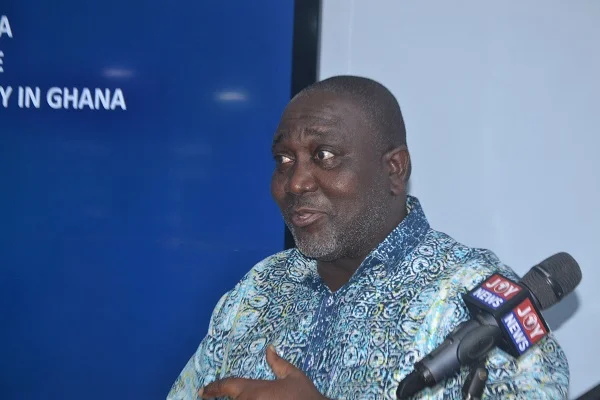
“That governance architecture that we create must also in turn develop very transparent mechanisms for grants or awards.”
Executive Secretary of the National Media Commission (NMC), George Sarpong,
He maintained that clear rules would strengthen confidence and help applicants understand how decisions are reached. This would make decisions easier to scrutinise.
Small Committee Preferred to New Bureaucracy
On the management of the Media Development Fund, Sarpong argued that Ghana has qualified and credible professionals who can provide the necessary oversight. He cautioned, however, against creating an elaborate administrative structure that could make the fund unnecessarily bureaucratic.
“We need to decide whether we want to create a bureaucracy around this fund. That won’t be my best suggestion.”
Executive Secretary of the National Media Commission (NMC), George Sarpong,
Instead, he proposed a small committee that would remain accountable to the media profession through its stakeholders. Members should understand fund management, the media industry and its changing needs.
That expertise would help the committee identify support that could improve journalism and address newsroom challenges. Sarpong’s proposal places professional knowledge and practical industry experience at the centre of the fund’s oversight, rather than relying on a large administrative establishment.
He further argued that the committee should include people with the capacity to attract additional financial contributions, allowing the fund to grow beyond its initial allocation.
The fundraising responsibility would be particularly important if the fund is expected to attract support beyond the initial government contribution. A committee able to build partnerships and mobilise additional resources could expand the assistance available to media organisations.
GH¢10 Million Seed Funding Raises Governance Questions
President Mahama’s GH¢10 million seed funding announcement has raised questions about how the fund will be administered and distributed.
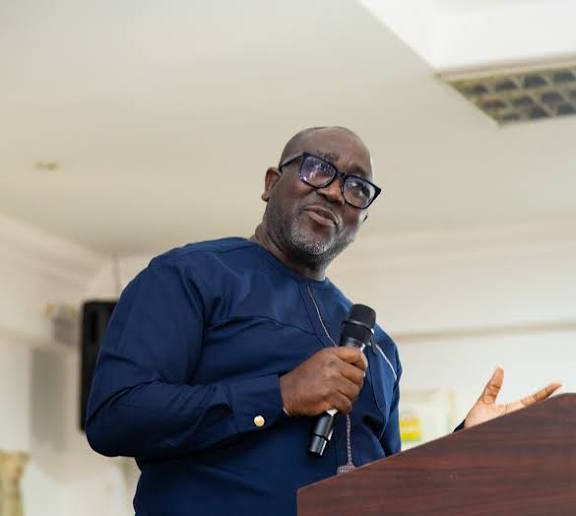
Sarpong’s recommendations outline a framework centred on measurable newsroom performance, accountability among recipients, transparent grant procedures and lean oversight. They emphasise a committee equipped to manage resources and mobilise further support.
For Sarpong, the fund’s impact will depend on the standards governing distribution, not merely its allocation. Linking grants to demonstrated coverage, he argued, would help ensure that support strengthens journalism in areas of public importance while giving the profession a clear role in overseeing the process.
READ MORE: Ayeh Accuses NPP Minority of Political Vendetta Against Foreign Minister