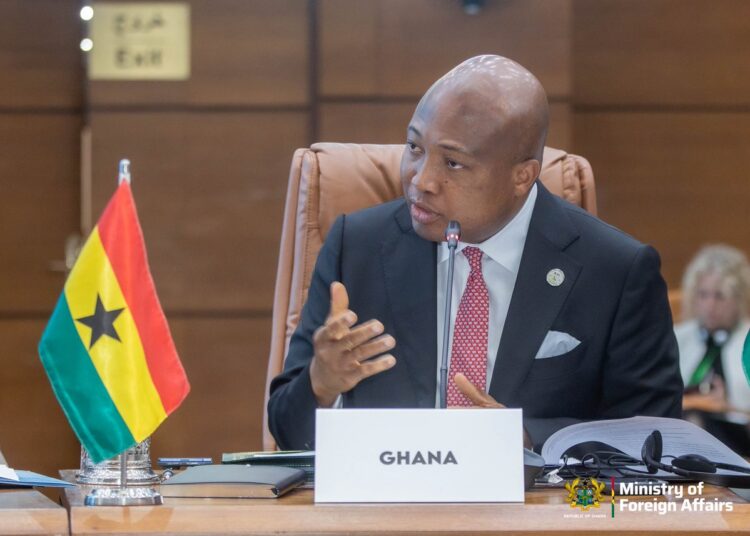
Ghana’s Minister for Foreign Affairs, Samuel Okudzeto Ablakwa, has outlined new areas of bilateral cooperation with Sweden, Slovakia, Finland and Thailand following the presentation of open letters by four newly appointed non-resident ambassadors to Ghana.
The engagements focused on strengthening diplomatic relations through proposed agreements and partnerships in trade, investment, infrastructure, education, technology, agriculture, security and fisheries, as Ghana seeks to expand international cooperation and support President John Dramani Mahama’s New Economy initiative.
“Ghana and Slovakia have agreed to immediately commence negotiations for a Visa Waiver Agreement.”
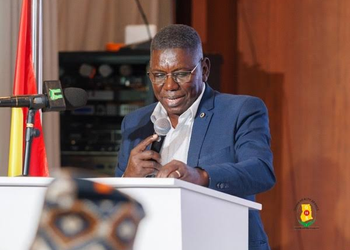
Ghana’s Minister for Foreign Affairs, Samuel Okudzeto Ablakwa
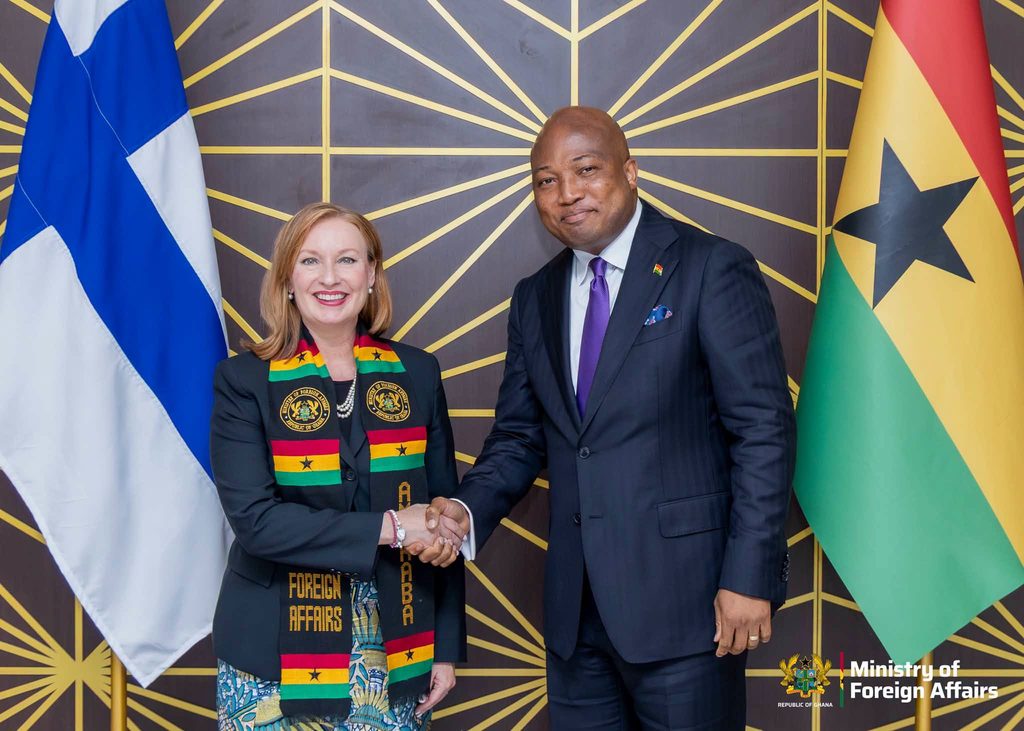
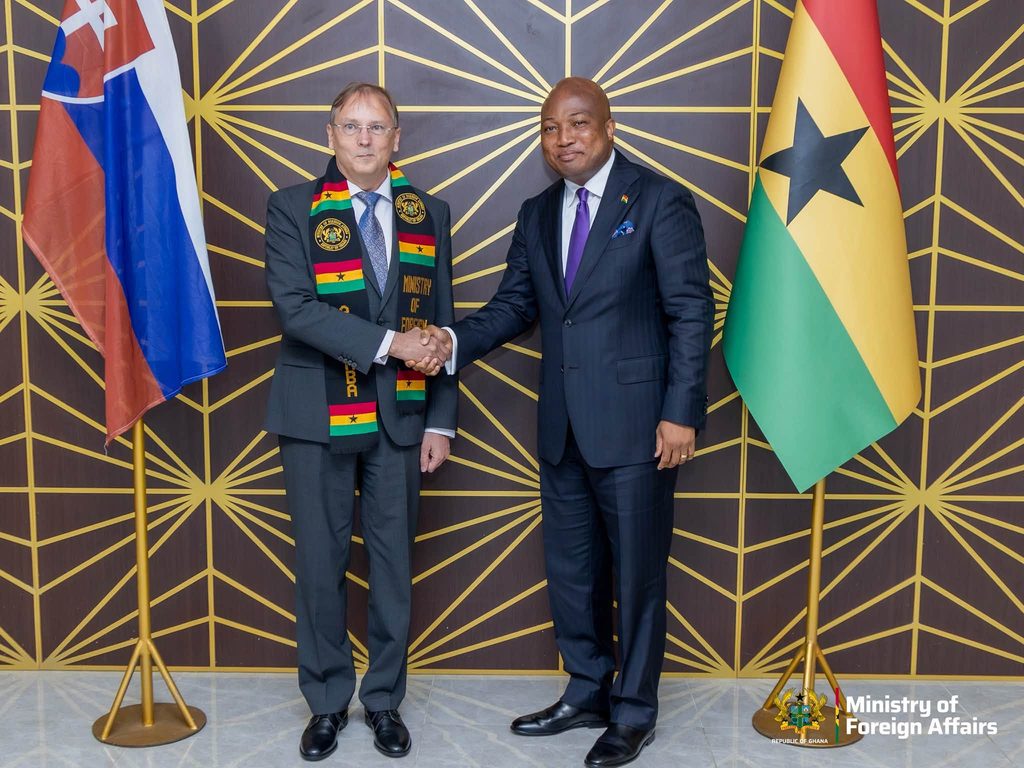
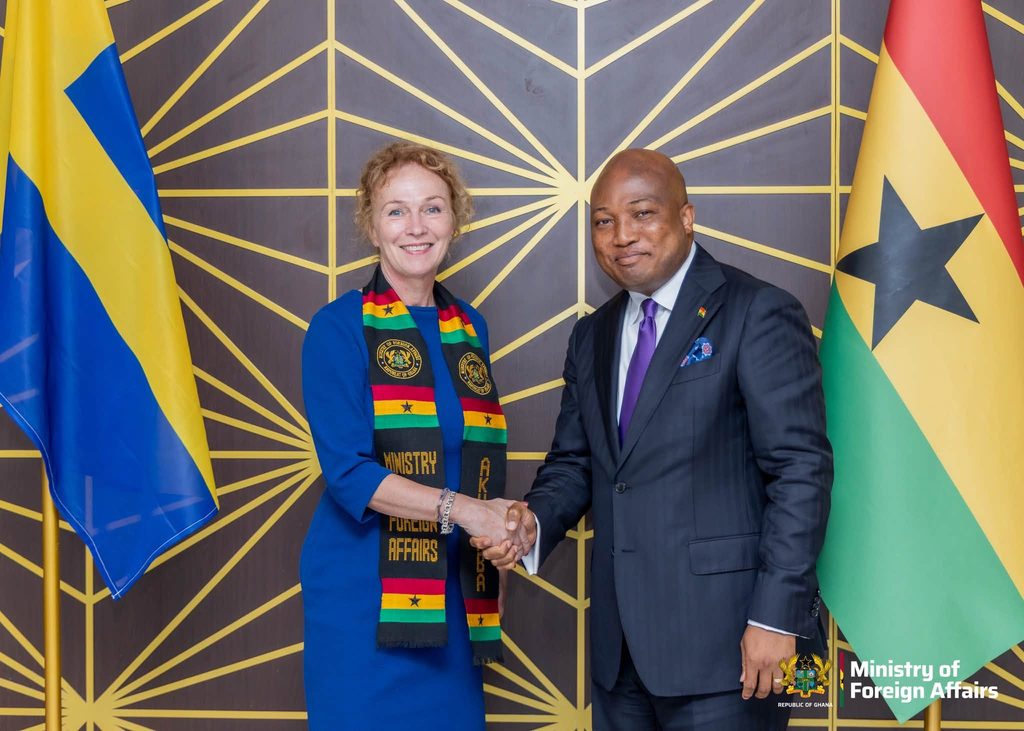
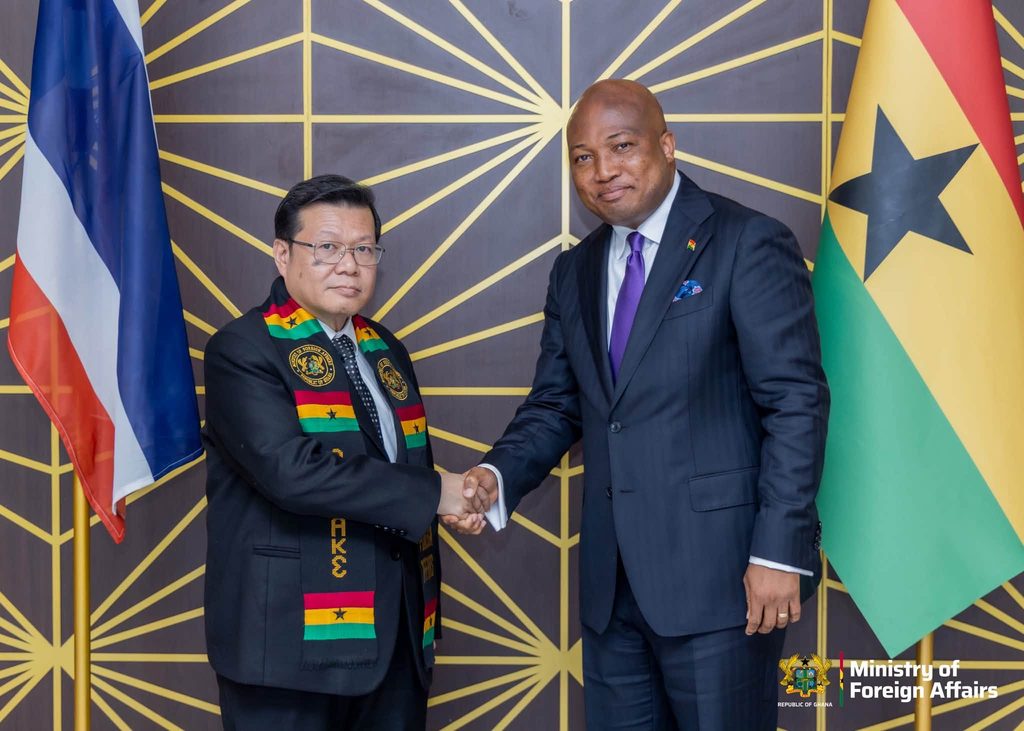
In a statement following the engagements, Hon Ablakwa identified the four envoys as Sweden’s Ambassador-Designate, Anna Westerholm; Slovakia’s Ambassador-Designate, Martin Podstavek; Finland’s Ambassador-Designate, Sanna Selin; and Thailand’s Ambassador-Designate, Thirapath Mongkolnavin.
Ghana and Slovakia Begin Visa Waiver Discussions
Ghana and Slovakia have agreed to immediately commence negotiations towards a Visa Waiver Agreement, in a move expected to strengthen relations and facilitate engagement between the two countries.
Beyond the proposed agreement, Slovakia is expected to host a Ghana-Slovakia business forum within the next two weeks. The forum will focus on opportunities in the automotive, banking and pharmaceutical sectors.
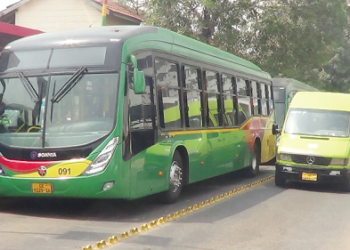
Hon. Ablakwa also disclosed that both countries are exploring a partnership to facilitate the delivery of buses to Ghana and the establishment of a vehicle assembly plant.
The proposed initiatives point to opportunities for cooperation in transport and industrial development, while the business forum is expected to provide a platform for exploring commercial partnerships between businesses in the two countries.
Sweden Partnership Targets Ghana’s New Economy Agenda
Ghana and Sweden are also seeking to deepen their longstanding diplomatic relations, which Ablakwa traced to the 17th century. According to the minister, Sweden will work with Ghana to advance cooperation under President Mahama’s New Economy initiative, with several areas identified for collaboration.
These include railway construction, artificial intelligence investments, agribusiness, digitalisation of revenue administration and defence cooperation. The proposed areas of engagement align with Ghana’s efforts to strengthen infrastructure, expand technology-driven investments and improve domestic economic activity.
Particular attention to railway construction and agribusiness could also create opportunities for technical cooperation and investment, although the minister did not provide specific project details, funding commitments or implementation timelines.
The planned collaboration on revenue administration also points to an interest in sharing expertise and digital solutions to support public revenue mobilisation.
Ghana and Finland Expand Education and Security Cooperation
Ghana and Finland have agreed to continue strengthening their existing relations, with the Foreign Affairs identifying education, technical and vocational education and training (TVET), and financial technology incubation as areas for expanded cooperation.
The two countries will also deepen collaboration in maritime security and counterterrorism. The proposed areas reflect a broad partnership that combines skills development and innovation with security cooperation.
Cooperation in education and TVET could support efforts to strengthen technical skills and workforce development, while fintech incubation offers an avenue for exchanging expertise and supporting innovation in financial services.
On security, the focus on maritime threats and counterterrorism provides a basis for further collaboration between the two countries. However, Hon. Ablakwa did not disclose specific programmes or agreements arising from the discussions with Finland.
Thailand to Support Ghana’s BRICS Partnership Bid
Ghana and Thailand have identified diplomatic, agricultural, labour and fisheries cooperation as priorities in their bilateral engagements. Hon Ablakwa disclosed that Thailand would work with Ghana on its application for BRICS partnership, drawing on Thailand’s experience as an official BRICS partner nation.
The two countries have also agreed to hold political consultations and exchange expertise in rice production. The agricultural cooperation is intended to help Ghana reduce its dependence on rice imports by strengthening local production capacity and creating employment opportunities.
Ghana’s engagement with Thailand on rice production comes against the background of the country’s stated interest in developing domestic agricultural capacity and reducing reliance on imported food products.
The countries will further share knowledge on labour mobility partnerships, an area that could support the exchange of experience on labour arrangements and opportunities.
Fisheries Cooperation to Boost Local Canned Fish Production
Fisheries cooperation also featured prominently in the discussions between Ghana and Thailand. The two countries have agreed to deepen collaboration to boost canned fish production in Ghana through a special partnership.
The proposed cooperation could support efforts to strengthen local fish processing and expand domestic production capacity. It also creates an opportunity for Ghana to benefit from Thailand’s experience in the fisheries and seafood processing industry.
Hon. Ablakwa did not provide further details on the structure, investment requirements or expected timeline for the partnership.
Ghana Pursues Broader International Partnerships
The engagements with the four ambassador-designates highlight Ghana’s efforts to strengthen bilateral relations while pursuing cooperation across several strategic sectors.
The proposed initiatives range from visa arrangements and business partnerships with Slovakia to infrastructure and technology cooperation with Sweden, education and security collaboration with Finland, and agricultural and fisheries partnerships with Thailand.
While several of the initiatives remain at the negotiation or exploration stage, they outline areas in which the government intends to deepen international engagement.
Hon Ablakwa concluded his statement with the national expression, “For God and Country,” reaffirming the government’s commitment to advancing Ghana’s interests through diplomatic cooperation.
READ ALSO: Rice Importers Face 50% Local Purchase Rule