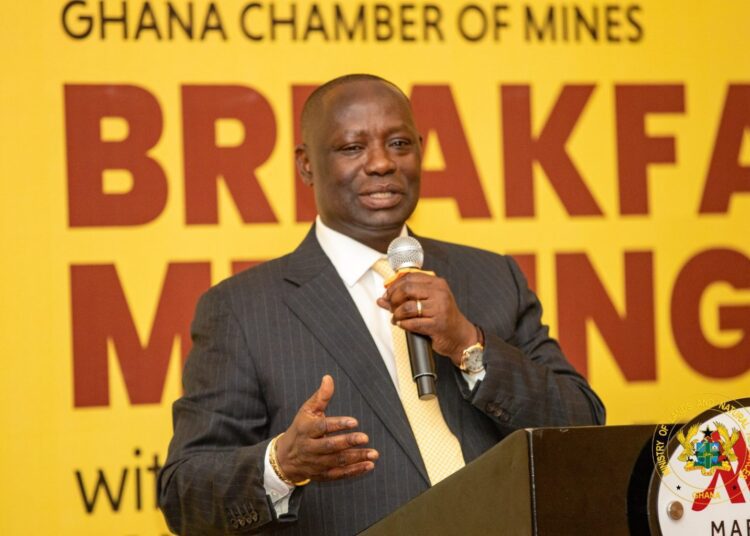
Ministry of Lands and Natural Resources has announced an ambitious, comprehensive overhaul of Ghana’s mining legislative framework to bring its domestic operations in line with contemporary global standards.
This major regulatory intervention seeks to systematically maximize the extractive industry’s long-term economic contributions while safeguarding national socio-economic and development priorities.
“We are undertaking a comprehensive review of the legislative framework to ensure it reflects modern standards and provides stronger safeguards for communities and the environment. The time has come for our businesses, contractors and skilled professionals to prepare themselves because local content means giving local people meaningful opportunities to participate in the mining economy.”
Deputy Minister for Lands and Natural Resources, Alhaji Yusif Sulemana

The Deputy Minister emphasized that the state’s upcoming statutory modifications are carefully tailored to transition the extractive economy far beyond raw mineral extraction.
By addressing historical gaps in the legal architecture, the government aims to leverage its mineral wealth to actively catalyze local industrialization, expand employment opportunities, and build resilient infrastructure within host areas.
Strengthening Environmental Protection and Community Benefit-Sharing
A primary focal point of the legislative realignment centers on modifying existing laws regarding how mining communities directly benefit from resources extracted from their lands.
Under the existing framework, peripheral communities have frequently experienced severe environmental disruptions without experiencing proportional socioeconomic growth.
The ministry is aiming to restructure benefit-sharing systems to provide local economies with more immediate, visible returns from commercial mining revenues.
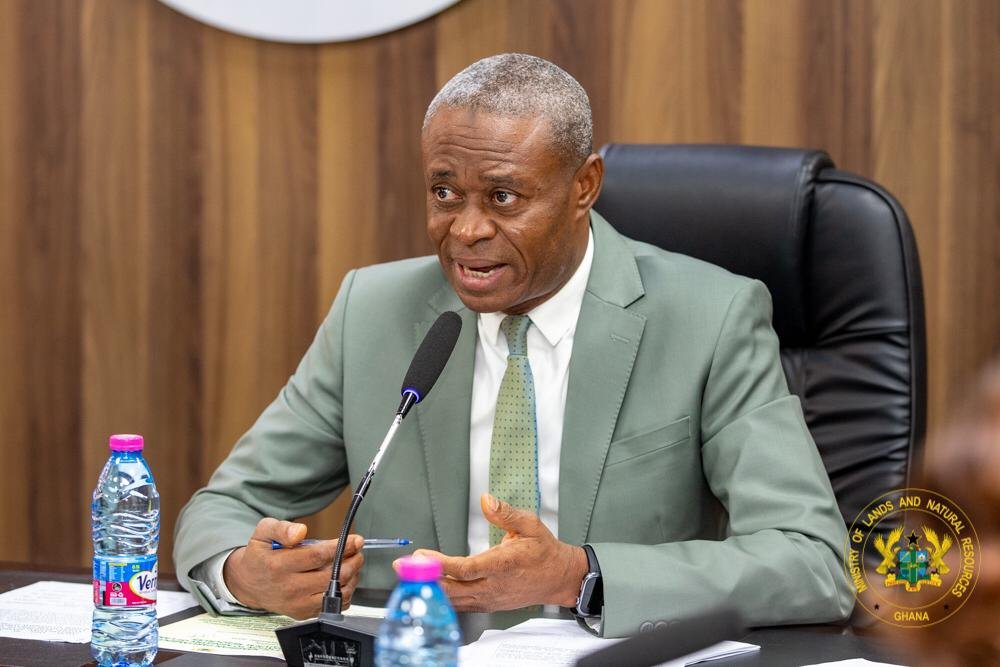
Furthermore, the updated legislation introduces stringent, modernized guidelines for mine closure obligations and comprehensive ecological rehabilitation.
Mining firms operating in Ghana will face stricter legal accountability for restoring degraded landscapes and managing chemical waste post-extraction.
By updating these critical ecological policies, the government aims to suppress illegal practices, curb severe land degradation, and ensure that commercial operators maintain international standard eco-management practices throughout their operational lifecycles.
Advancing Local Content and Procurement Value Chains
The upcoming legal reforms are poised to significantly upgrade local content mandates, turning them into enforceable statutory requirements rather than simple compliance suggestions.
Alhaji Yusif Sulemana heavily stressed that “the time has come for our businesses, contractors and skilled professionals to prepare themselves” to absorb the massive economic opportunities arising from these structural changes.
This mandate specifically forces mining conglomerates to source their operational goods, machinery maintenance, and professional technical services from local Ghanaian companies whenever feasible.
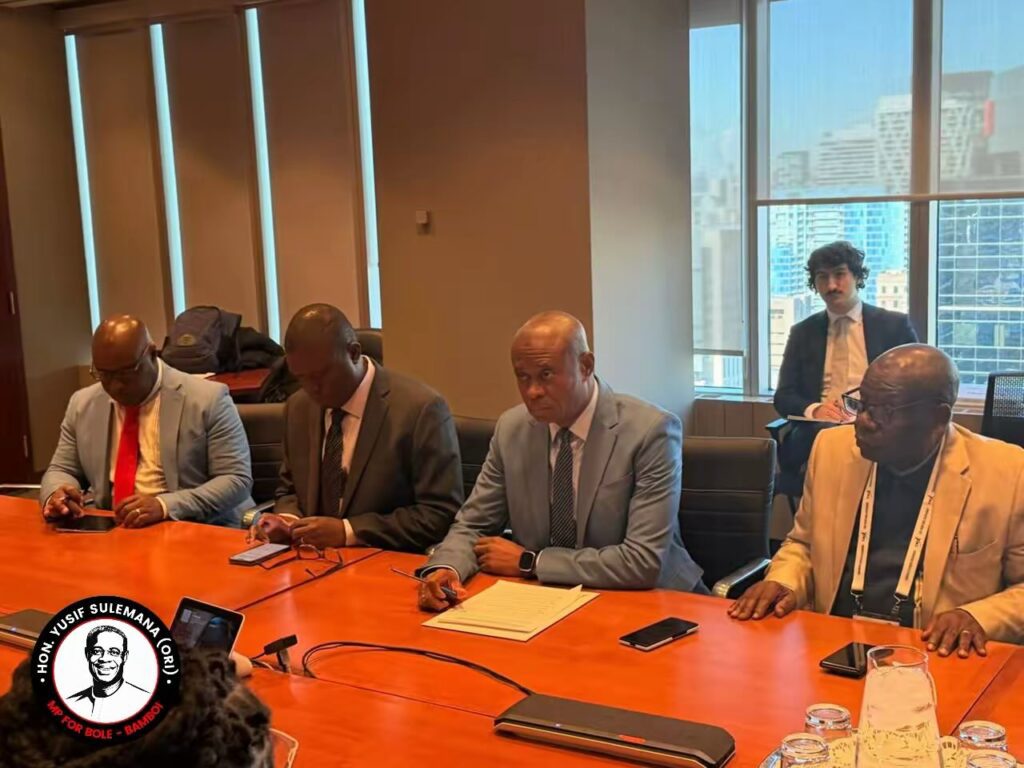
To maximize the domestic impact, the regulatory changes will require mining firms to prioritize hiring qualified professionals and laborers from their immediate host communities.
Entrepreneurs and corporate professionals, particularly in the Upper East Region, are being explicitly urged to upscale their capabilities to seamlessly integrate into these high-value supply networks.
This systematic localization of the procurement chain ensures that substantial resource capital remains within the domestic economy, expanding the technical capacity of Ghanaian businesses.
Optimizing the Mineral Development Fund via the PEARL Framework
Central to achieving long-term accountability is the planned financial restructuring of the Mineral Development Fund (MDF) to dramatically boost fiscal transparency and financial management.
The government intends to deploy the structured PEARL Framework to ensure that public investments derived from mining royalties align perfectly with regional development master plans.
This strategic fiscal guide will prevent the misallocation of state resources, redirecting capital into tangible assets like regional healthcare facilities, educational institutions, and clean water networks.
By instituting severe transparency mechanisms within the MDF, the ministry seeks to eliminate historical administrative inefficiencies and ensure that every cedi generated from mineral resource extraction yields real value.
The ultimate ambition of this holistic legal review is to establish a world-class model where natural resource extraction acts as a primary vehicle for inclusive national prosperity.
Through this combined strategy of strict environmental governance, mandatory local procurement, and transparent asset management, Ghana is redefining its resource governance to secure its status as an elite global mining hub.