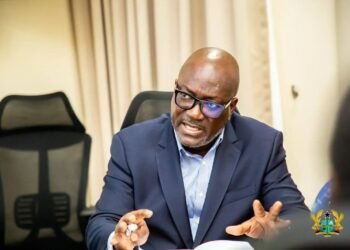
The Deputy Spokesperson and Press Secretary for Dr Mahamudu Bawumia, Dr Ekua Amoakoh, has described the NPP’s recent regional elections as a source of fresh momentum for the party ahead of the 2028 general elections. She explained that the emergence of new regional executives alongside experienced party figures could inject new ideas and energy into the party’s preparations.
Dr Amoakoh observed that the level of competition recorded during the regional elections demonstrated a growing willingness among members to participate actively in the party’s internal processes. From her perspective, the changes also showed that delegates were prepared to choose leaders they believed could help strengthen the party at the grassroots.
The Deputy Spokesperson noted that the outcome produced a mixture of retained chairpersons and new faces across the country. She pointed to developments in the Ashanti Region, where Chairman Odeneho quickly began engaging other contestants after securing victory.
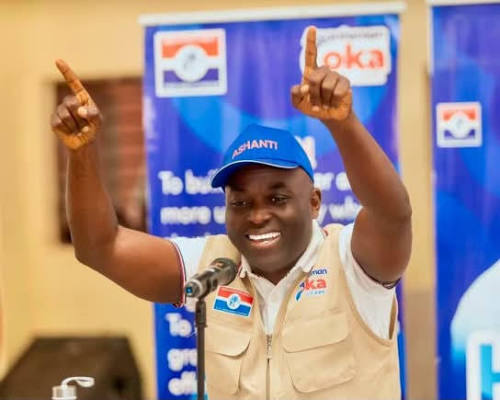
That approach, she explained, could help bring unsuccessful aspirants into the party’s activities and make use of their experience. Analysing the situation, Dr Amoakoh indicated that early reconciliation at the regional level could reduce the amount of time and resources required for formal efforts to unite the party.
“It’s a new energy and it’s been very, very successful with not too much noise. Everybody goes for the election and they vote; if you win, it’s clear you won on your own merits.”
Dr Ekua Amoakoh
Referencing the Ashanti Region, she highlighted the efforts of Chairman Odeneho to meet those who contested against him soon after the election. Such engagement could allow the party to draw on the skills and networks of several aspirants as it prepares for the next national contest.
She also touched on the absence of the intense campaigning that accompanied the NPP’s previous presidential contest. Dr Amoakoh argued that completing the flagbearer election earlier helped separate internal executive contests from presidential campaign loyalties.
She also explained that contestants in the regional elections were therefore able to compete on their individual records and proposals. This created an environment where elected executives could begin their work without the divisions associated with competing presidential camps.
Meanwhile, the party has begun preparations for its national executive elections, with several prominent figures expected to compete for key positions. Dr Amoakoh mentioned Dennis as a candidate for Communications Director.
She also identified Henry Nana Boakye and other personalities expected to make the national contest competitive. With only three positions determined according to votes, she anticipated a closely fought election as members choose the executives who will guide the party into 2028.
NPP Faces Cost And Legal Questions Over Electoral College
The NPP’s internal elections have also opened a wider discussion about the structure of political party elections and the possible expansion of electoral colleges. Dr Amoakoh argued that any move towards allowing a larger membership base to participate would require significant preparation and clearer systems.
Addressing the issue, she noted that the party previously considered allowing a wider membership to vote in its internal elections. However, the available membership database presented difficulties because the recorded membership was smaller than the existing number of delegates.
In addition, she pointed to the financial implications of conducting elections involving a much larger electorate. In her view, expanding participation could increase the cost of organising internal polls and would require political parties to develop systems capable of accommodating a larger voting population.

Following a Supreme Court decision concerning political party elections and the relationship between party constitutions and the national Constitution, Dr Amoakoh acknowledged that political parties retain authority over their internal affairs while recognising that their rules must operate within the framework of the national Constitution.
She noted the concerns over who would finance expanded internal elections. She questioned whether the Electoral Commission of Ghana would be expected to organise such exercises and absorb the associated costs.
“The question becomes: who pays for that? Is the Electoral Commission of Ghana going to run those elections for free?”
Dr Ekua Amoakoh
According to Dr Amoakoh, the timing of the next general election adds urgency to the discussion because parliamentary primaries for 2028 would have to be organised within a limited period. She therefore suggested that political parties would need to determine how they can satisfy constitutional requirements while managing the practical demands of internal elections.
The situation also presents questions about who qualifies to participate in party elections. She noted that parties would have to establish clear criteria for determining members in good standing, especially where membership records and voting eligibility require verification.
Furthermore, the issue could create room for legal challenges if members believe that a party has failed to comply with requirements arising from the Supreme Court’s decision. Dr Amoakoh therefore indicated that the parties would need to clarify their procedures and responsibilities before the next round of major internal elections.
READ ALSO: Ghana’s Ambassador to Czechia Rallies Black Princesses Ahead of World Cup