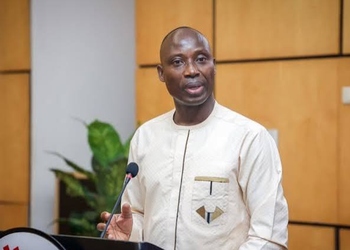
Breast cancer surgeon and founder of Breast Care International and Peace and Love Hospital, Dr Beatrice Wiafe Addai, has urged Government to strengthen support for patients nationally beyond awareness campaigns, warning that women face serious barriers between screening, diagnosis and treatment.
As Breast Cancer Awareness Month draws to a close, she called for sustained education, stronger follow-up systems and financial, psychological and social support to help patients access care early and complete treatment. She stressed that awareness must lead to action, including guiding women from screening points to diagnostic and treatment centres.
“We therefore need to follow up awareness creation with action. We need to start navigating women from the places where they are screened to diagnostic centres and then to treatment centres.”
Dr Beatrice Wiafe Addai, of Breast Care International and Peace and Love Hospital
Dr Wiafe Addai observed that a wide gap separates women in communities from facilities where they can obtain diagnostic services, with another barrier emerging between diagnosis and treatment.
She urged stakeholders to close these gaps, stressing that breast cancer requires attention throughout the year.
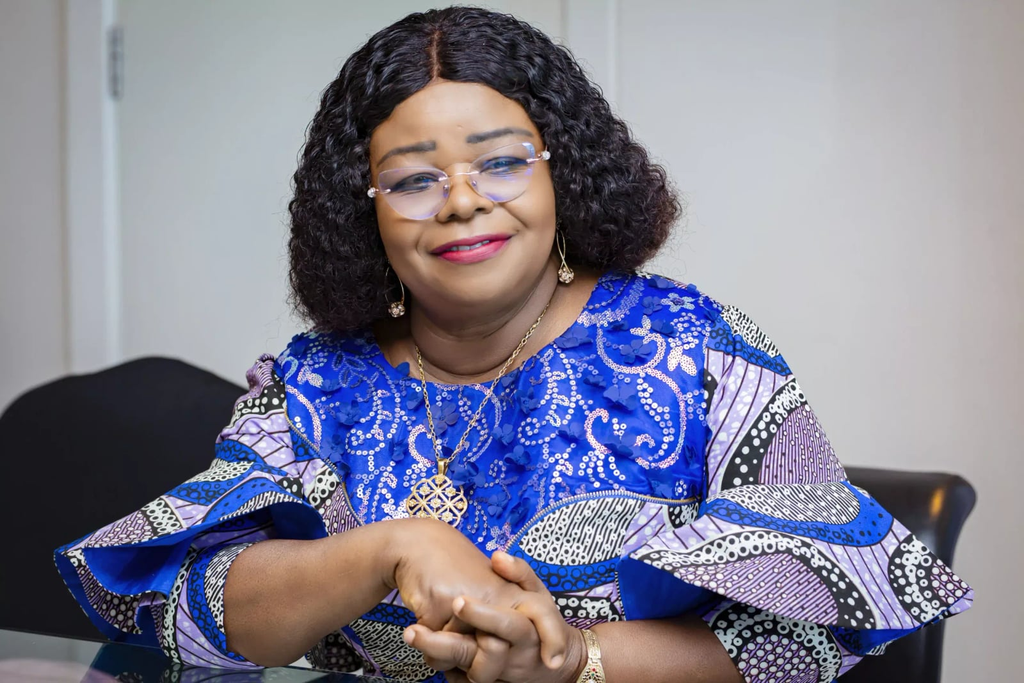
Survivors Need Continued Treatment and Follow-Up
The surgeon cautioned that completing surgery does not necessarily mean a patient is free from breast cancer. A woman may develop the disease in the other breast, even after one has been removed.
She explained that treatment after surgery may include chemotherapy, radiotherapy and hormone therapy, depending on the cancer type. Some women discontinue further care because they believe surgery has removed the disease and ended treatment.
“The same zeal we use for awareness creation should continue after October to help our women,”
Dr Beatrice Wiafe Addai, of Breast Care International and Peace and Love Hospital
Dr Wiafe Addai advised survivors to follow prescribed treatment plans and attend regular reviews, preferably every six months or at least annually. Reviews may include the CA 15-3 tumour marker test and an annual mammogram of the affected or remaining breast.
She also called for financial, psychological and social support, noting that survivors face challenges beyond medical treatment.
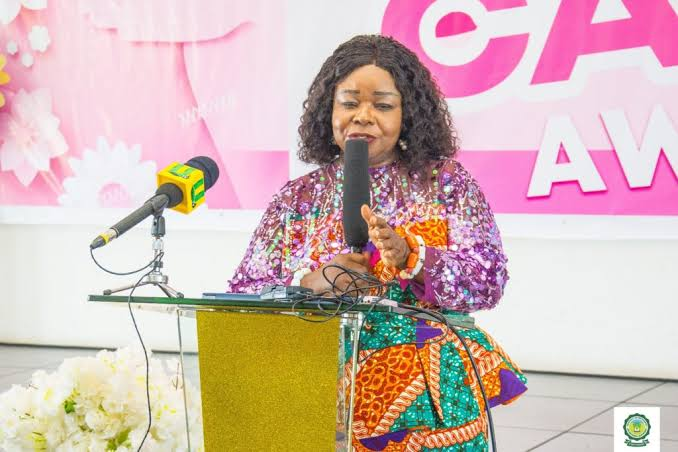
Late Hospital Visits and Misconceptions Put Lives at Risk
Dr Wiafe Addai described breast cancer as the most common cancer globally and Ghana’s leading cancer, expressing concern that many women die because they do not seek medical attention early.
She observed that some people associate hospital visits with pain or bleeding. When breast cancer does not present with these symptoms, they may delay seeking care.
She also raised concern about beliefs that breast cancer results from witchcraft or spiritual causes, leading some patients to seek help at prayer camps instead of hospitals.
“We are not against prayers, but we wish our pastors would encourage women to leave the prayer camps and follow them in prayer while they seek medical treatment at the hospital,”
Dr Beatrice Wiafe Addai, of Breast Care International and Peace and Love Hospital
She emphasised that early hospital attendance improves survival prospects and may allow breast preservation. More survivors, she added, could reduce fear and stigma.
Men Also Need Breast Cancer Awareness
Although breast cancer is less common among men, Dr Wiafe Addai urged them to understand the disease and support affected women. Every man, she noted, has women in his life.
She condemned men who leave wives after diagnosis, stressing that breast cancer is not contagious.
On hereditary risk, she explained that about 10 per cent of breast cancer cases are inherited, while 90 per cent are not. She linked hereditary cases to genetic mutations.
Treatment Costs and Distance Deepen Barriers
Dr Wiafe Addai acknowledged that cancer treatment is expensive but warned that assumptions about costs can discourage patients from seeking care before they understand available options.
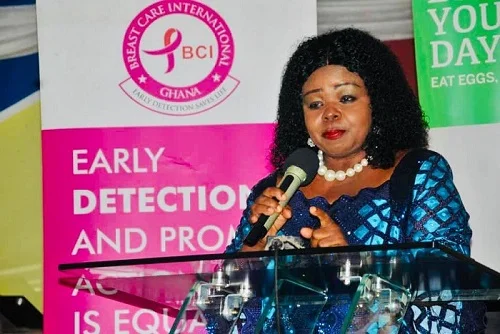
She identified weak social support and transport costs as further obstacles for single mothers. Some patients travel eight or 10 hours to treatment centres and return every three weeks for free medication. She called for support to help women access care and remain productive.
Ghana Records Thousands of New Cases Annually
Citing new Global Cancer Observatory figures, Dr Wiafe Addai disclosed that almost 5,500 Ghanaian women are diagnosed with breast cancer annually, equivalent to about 15 diagnoses daily. Approximately 2,600 women die each year, close to half the number diagnosed.
Breast Care International organised a walk in Asante Mampong after October 10, attracting more than 30,000 participants, including the Paramount Chief and Paramount Queen Mother. It also held more than 50 events during October.
However, she maintained that awareness must continue beyond the month, with coordinated support to guide women from screening to diagnosis and treatment.