France is bracing up for a third consecutive weekend of protests today, as growing public discontent over the cost of living and education fuelled demonstrations and prompted authorities to step up security measures.
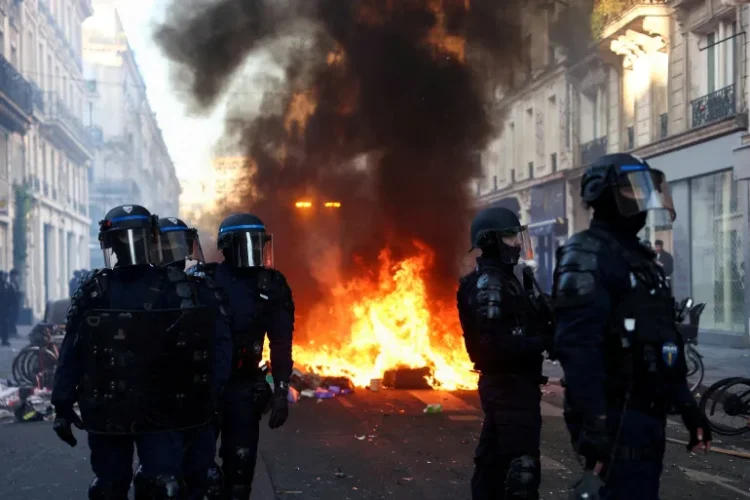
France has deployed 70,000 police officers and gendarmes ahead of a third consecutive weekend of demonstrations. Officials have warned of potential disorder as the protests bring together young people, students, unions and other groups demanding changes to government policies.
French Interior Minister Laurent Nuñez warned of a “very high risk” of disorder, particularly after dark on Halloween, prompting authorities to introduce restrictions on demonstrations and movement in parts of Paris.
The protests began with high school students raising concerns about school conditions but have since broadened into a wider movement over the cost of living and other social and economic issues.
Authorities recorded approximately 550,000 demonstrators nationwide on October 17, when rioters looted hundreds of shops. The following Saturday, an estimated 410,000 people took part in demonstrations that were largely peaceful, although police made more than 1,300 arrests.
The latest mobilisation is being closely monitored as governments seek to balance public order with the right to peaceful protest.
France Tightens Security Around Paris Demonstrations
In Paris, police have banned union and Yellow Vest marches through the city centre, directing demonstrators along a single route on the capital’s outer boulevards, from Porte de Bagnolet to Porte de Charenton.
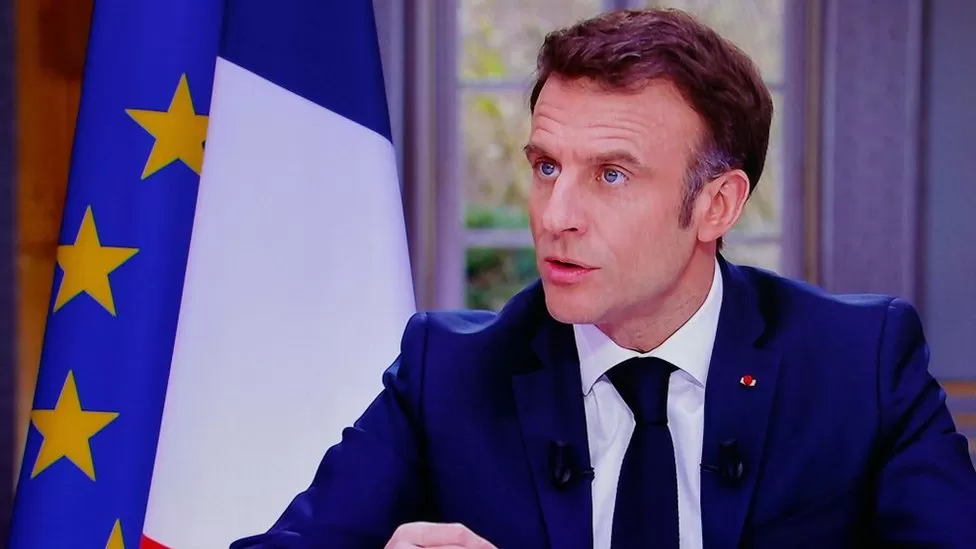
Unions and student groups challenged the restrictions in court but were unsuccessful. President Emmanuel Macron said earlier in the week that demonstrations would be kept away from city centres to protect shops.
Authorities have also restricted access to Place de la République and Les Halles, areas affected by rioting and looting on October 17. The restrictions apply from 11 p.m. to 6 a.m. on Saturday and Sunday.
Unaccompanied minors face a separate 9 p.m. curfew around the Champs-Élysées. However, a Paris court on Wednesday suspended an earlier curfew imposed on minors, ruling that it constituted a serious and illegal infringement of freedom of movement.
The differing court decisions highlight the legal challenges facing authorities as they attempt to impose security measures during periods of heightened public tension.
With demonstrations expected to continue, police are preparing for possible clashes and further damage to businesses, particularly if crowds gather after dark.
German Youth Mobilise Over Education and Living Costs
In Germany, a youth-led initiative known as “Gen Z regelt”, roughly translated as “Gen Z’s got this”, has called for demonstrations in about 30 cities.
The organisers are urging action on education, healthcare, climate protection and the affordability of everyday life. They are also opposing any return of compulsory military service.
The movement’s concerns include the rising cost of living, poorly maintained schools, government spending cuts and a broader perception that political decisions are being made without sufficient regard for younger generations.
Approximately 150,000 people have registered to participate in demonstrations planned for Saturday, including rallies in Berlin, Frankfurt and Cologne.
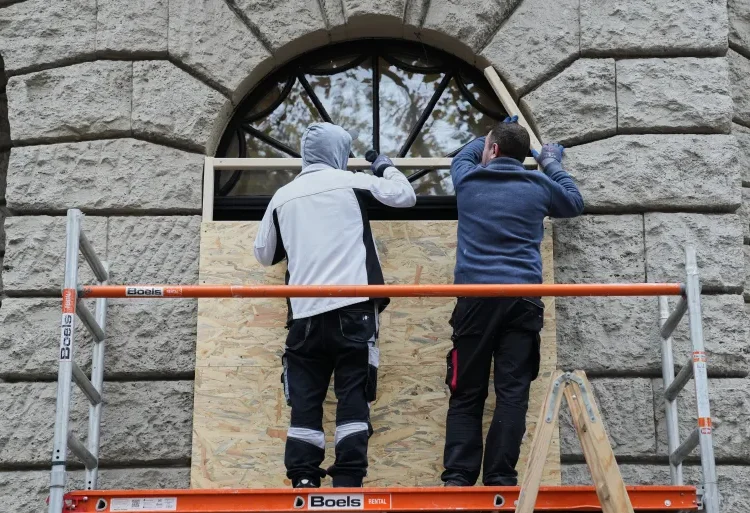
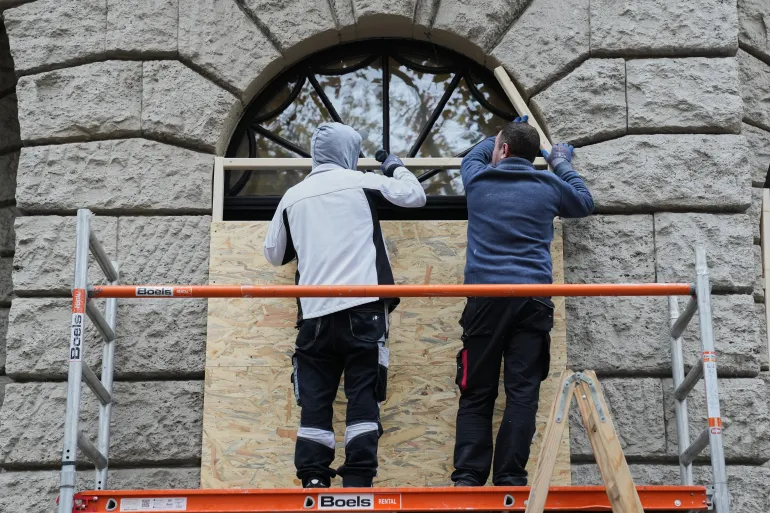
Berlin police expected around 10,000 people to gather at the Brandenburg Gate, while some businesses along the Kurfürstendamm boulevard boarded up their windows in anticipation of the demonstrations.
Authorities said that they were unaware of specific threats of violence, although security preparations remained in place. The protests were expected to begin in the early afternoon.
The demonstrations reflect a wider debate over the economic pressures facing younger people and the priorities governments should adopt in education, public services, climate policy and defence.
Opposition to a possible return of military conscription has added another issue to the German protests, linking concerns about young people’s economic prospects with questions about their future obligations to the state.
Protests Spread Across Europe
Beyond France and Germany, authorities in other European countries have also stepped up preparations following recent unrest and calls for further demonstrations.
In Barcelona, Spain, Catalan police planned to activate their highest level of alert after an anonymous TikTok network known as Blocus called for new gatherings.
Rioting in the city the previous Saturday resulted in approximately 130 arrests, most involving minors.
Italian police were also on alert following clashes in Milan, Turin and Bologna, while calls for protests circulated on TikTok in Belgium, the Netherlands, Austria, Switzerland and Portugal.
The spread of mobilisation through social media has presented authorities with the challenge of monitoring gatherings organised through online networks, some of which have no clearly identifiable leadership.
Although the protests vary by country, demands concerning education, living costs, public services and government priorities feature prominently in the movements described by organisers.
The possibility of further unrest has placed businesses and public authorities on alert, particularly in areas affected by earlier clashes and looting.
As demonstrations continue across the continent, governments face pressure to address the concerns driving young people onto the streets while protecting public safety and ensuring that restrictions on protests comply with legal requirements.
READ ALSO: MinCom Showcases Emerging Opportunities in Ghana’s Mining Value Chain