Italy has approved the deployment of 500 troops to Milan and introduced tougher legal measures to contain violent protests linked to the rising cost of living, as Prime Minister Giorgia Meloni’s government faces mounting public discontent over economic pressures.
The Italian cabinet approved the military deployment alongside new offences and penalties targeting violent participation in demonstrations, rioting, vandalism and looting. The measures also provide for parents to face financial liability when their children are responsible for property damage.
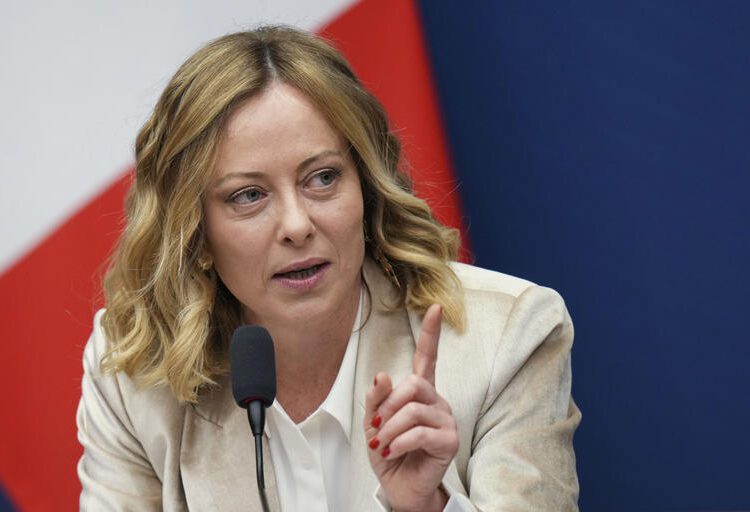
Prime Minister Meloni defended the government’s approach following the cabinet meeting, arguing that violence and property destruction should not be treated as legitimate protest. “Destroying and stealing is not protest, it is crime, and the state’s response must be firm,” Meloni said in a social media post.

Italy’s Ministry of Defence said that the troops would reinforce security at key sites, increase surveillance of sensitive locations and strengthen monitoring.
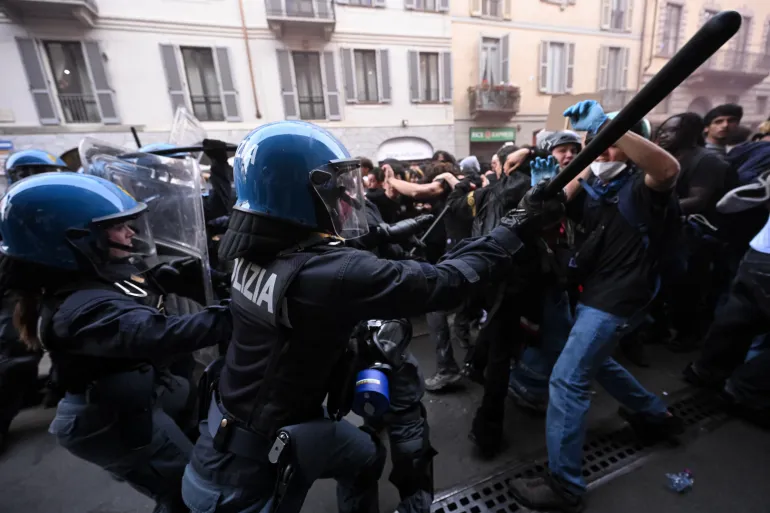
The decision follows unrest across northern Italian cities over the weekend, including Milan, the country’s financial capital, where groups of mainly young people looted shops, smashed windows and clashed with police.
The demonstrations were driven by anger over soaring fuel and energy prices, high rents, low wages and concerns about public services. The government’s response comes as similar economic grievances fuel protests elsewhere in Europe.
Italy Introduces Tougher Penalties For Rioters
Under the new measures, which take effect immediately, anyone participating in a group of at least five people and endangering public safety during a demonstration could face up to five years in prison and a maximum fine of €20,000, equivalent to about $22,460.
Penalties increase when participants conceal their faces or cause injuries.
Authorities will also be able to order prompt compensation for damage caused during unrest. Where minors are responsible, their parents may be held financially liable.
The legislation further expands police powers concerning young people. Officers will be permitted to detain individuals aged between 14 and 17, even if they have not committed a crime, provided there is evidence that they pose a danger. Previously, the relevant powers applied only to adults.
However, the cabinet did not approve a proposal to grant soldiers policing powers, which had been expected to form part of the security response. Italian media reported that President Sergio Mattarella opposed the measure.
The measures mark a tougher response to demonstrations that have increasingly focused attention on the financial pressures facing Italian households.
Rising Prices Fuel Unrest
While the latest disturbances occurred in northern Italy, the government is also confronting a separate wave of protests in the south, where truck drivers have staged roadblocks over rising diesel prices and the broader cost of living.
The disruptions are affecting supply chains, adding to the economic concerns confronting businesses and households.
Protesters in both regions say rising prices are pushing families towards poverty, placing additional pressure on Meloni’s government ahead of Italy’s 2027 national elections.
The unrest in Italy has also drawn comparisons with neighbouring France, where hundreds of thousands of people took to the streets on Saturday in demonstrations that escalated into some of the country’s most serious rioting in years.
In both countries, grievances over living costs have coincided with wider concerns about public services and economic conditions, although the protests have unfolded within different national contexts.
For the Italian government, the immediate challenge is to restore order while addressing the economic pressures behind the demonstrations.
The deployment of troops and introduction of stricter penalties are intended to strengthen security and deter further violence. However, continued protests in both the north and south indicate that concerns over fuel prices, housing costs, wages and household finances remain central to the unrest.
READ ALSO: Government to Reuse Security Recruitment List Before Accepting New Applicants