The reliability of Ghana’s electricity supply depends not only on the availability of generating capacity and transmission infrastructure but also on the safety practices governing the people who operate and maintain the network.
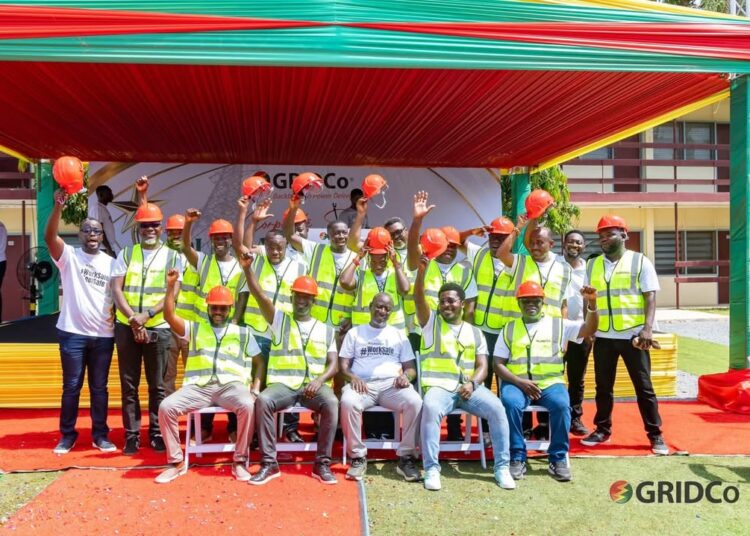
That connection was at the centre of the Ghana Grid Company Limited’s (GRIDCo) month-long safety celebrations, which ended with a grand durbar bringing staff and collaborating institutions together to reinforce the importance of safety in power delivery.
The event placed renewed emphasis on the responsibility of employees to identify and prevent workplace hazards, particularly in an industry where operational incidents can affect personnel, damage critical equipment and disrupt the movement of electricity across the transmission network.
GRIDCo’s safety campaign comes against the backdrop of the critical role the company plays in Ghana’s electricity value chain.
As the institution responsible for operating the national interconnected transmission system, its activities involve infrastructure and personnel whose safety is essential to maintaining the network’s operational integrity.
The celebrations therefore extended beyond workplace awareness. They highlighted a broader operational concern: protecting the people and systems responsible for transmitting electricity is part of safeguarding the reliability of power supply.
Safety Is An Operational Requirement
For GRIDCo, safety is closely linked to the demands of operating and maintaining electricity transmission infrastructure.
Employees working across transmission facilities and other operational environments are exposed to risks that require consistent attention to procedures, equipment, hazard identification and emergency preparedness.

An incident involving personnel or critical infrastructure can have consequences beyond the immediate worksite.
Depending on its nature and location, it could affect maintenance activities, delay operational work or compromise the availability of equipment required for electricity transmission.
This makes safety more than an internal human-resource or administrative responsibility. It is an important part of the systems and discipline required to keep the national transmission network functioning.
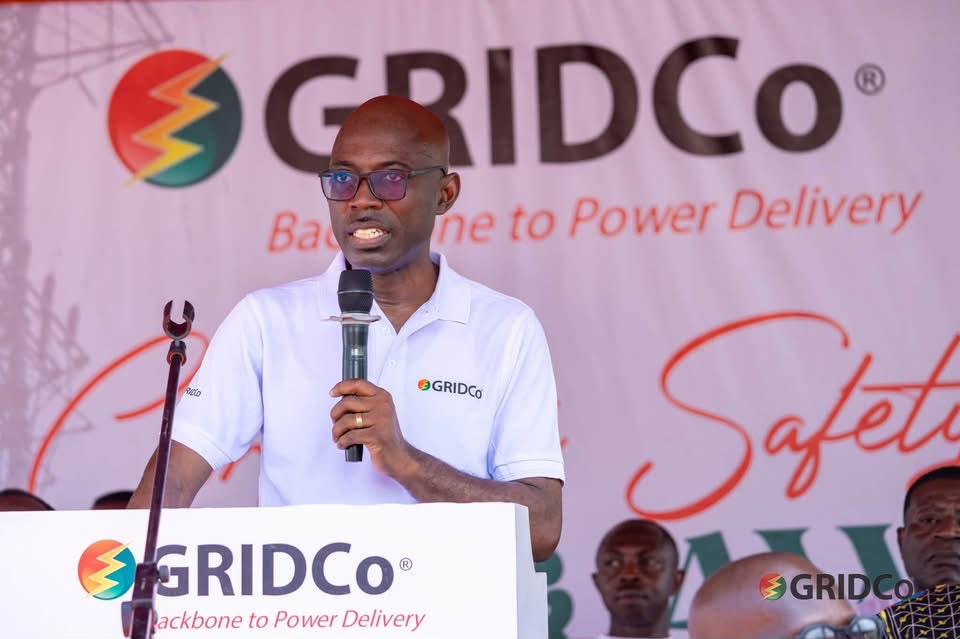
Addressing staff at the durbar, GRIDCo Chief Executive, Ing. Frank Otchere, urged employees to remain vigilant and make safety a priority in every aspect of their work. He also encouraged them to approach their responsibilities with passion and dedication, recognising their contribution to ensuring stable and reliable electricity supply in Ghana and beyond.
His message placed individual responsibility at the centre of the company’s safety agenda. While institutional policies and procedures provide the framework for managing workplace risks, their effectiveness also depends on whether employees consistently apply them in their daily activities.
The company’s underlying message was captured in its declaration:
“Safety is our hallmark.”
The statement reflects GRIDCo’s ambition to make safety a defining feature of its organisational culture rather than an issue that receives attention only during designated awareness programmes.
Transmission Reliability Begins With People
Ghana’s electricity system depends on several interconnected stages, from generation and transmission to distribution and final consumption.
GRIDCo occupies a central position in this chain by operating the transmission network through which electricity is transported from generating sources to distribution utilities and other bulk customers.
The company’s operational responsibilities make the competence and safety of its workforce particularly important. Transmission infrastructure requires regular inspection, maintenance, repairs and other technical interventions.
These activities must be undertaken under conditions that protect workers while limiting risks to the wider electricity system.
A safety lapse during maintenance or other field operations can expose employees and members of the public to danger. It can also create operational complications where equipment is damaged or work must be suspended following an incident.
For this reason, a strong safety culture should influence how work is planned, authorised, supervised and completed. It requires employees to understand the risks associated with their assignments, follow established procedures and report unsafe conditions before they develop into incidents.
The month-long celebrations provided a platform for reinforcing these expectations across the organisation.
The event also brought attention to the need for safety to remain a continuous responsibility after the formal activities have ended.
Awareness campaigns can strengthen understanding, but their real value depends on whether the lessons translate into everyday behaviour.
Emergency Preparedness Requires Collaboration
The participation and recognition of external institutions at the durbar also highlighted the importance of cooperation in managing safety risks around critical energy infrastructure.
GRIDCo presented awards to the Ghana National Fire Service (GNFS), the Volta River Authority (VRA) and the Ghana Police Service in recognition of their support and collaboration.
The involvement of these institutions is relevant to the wider safety environment in which electricity transmission operations take place.
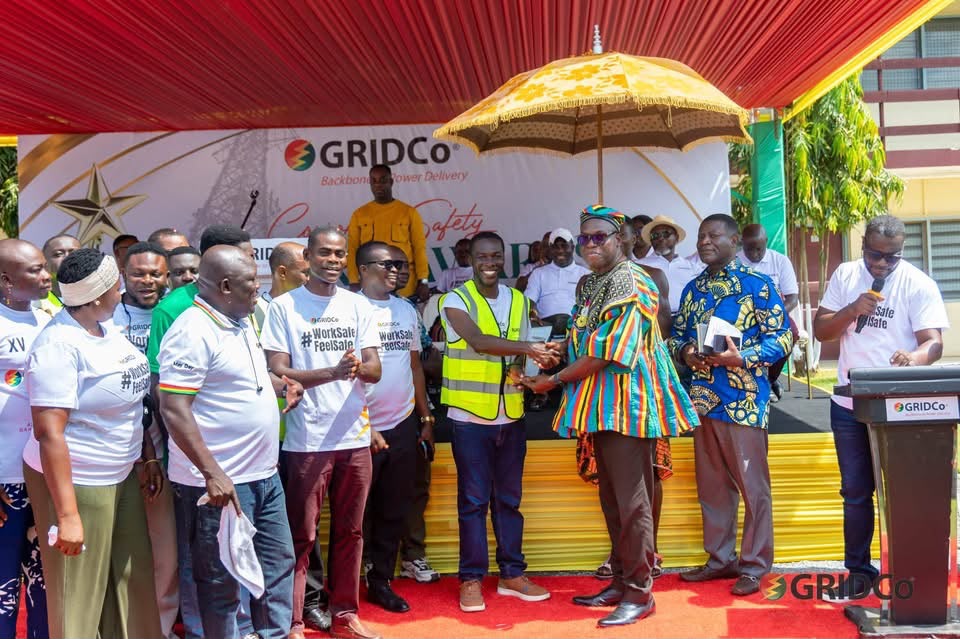
Fire incidents, emergencies and security-related risks can require coordination between infrastructure operators and public safety agencies.
The Ghana National Fire Service provides emergency response capabilities in fire-related incidents, while the Police Service has responsibilities connected to public safety and security.
The VRA, as a major institution in Ghana’s electricity sector, is also part of the wider operational environment in which cooperation among energy-sector organisations matters.
Recognising these institutions at the event acknowledged their contribution to GRIDCo’s safety efforts and the importance of maintaining working relationships that can support effective responses when incidents occur.
However, collaboration must extend beyond ceremonial recognition. For critical infrastructure operators, effective coordination depends on clear communication channels, emergency procedures, preparedness and an understanding of the respective responsibilities of participating institutions.
The recognition of these entities therefore draws attention to the wider network of relationships required to protect electricity infrastructure and the people who work around it.
Housekeeping And Fire Safety Form Part Of Prevention
The awards presented to GRIDCo employees also reflected the company’s effort to make safety a practical workplace responsibility.
Staff who performed well in the annual Safety Quiz, housekeeping and firefighting activities received recognition during the durbar.
These categories point to different but complementary aspects of workplace risk management.

Safety quizzes can reinforce employees’ knowledge of procedures, hazards and appropriate responses to workplace incidents.
Good housekeeping helps reduce avoidable risks by ensuring that workspaces are organised and potential hazards are identified and addressed. Firefighting activities, meanwhile, help strengthen awareness of how employees should respond to fire emergencies.
The recognition of these activities suggests an approach that combines knowledge, everyday workplace discipline and emergency preparedness.
In an operational environment such as electricity transmission, these practices are important because risks are not confined to major technical operations.
Poorly maintained work areas, unsafe storage practices and inadequate awareness of emergency procedures can also contribute to workplace incidents.
For a safety programme to have lasting value, these seemingly routine responsibilities must become part of normal operations.
Moving Beyond A Month Of Awareness
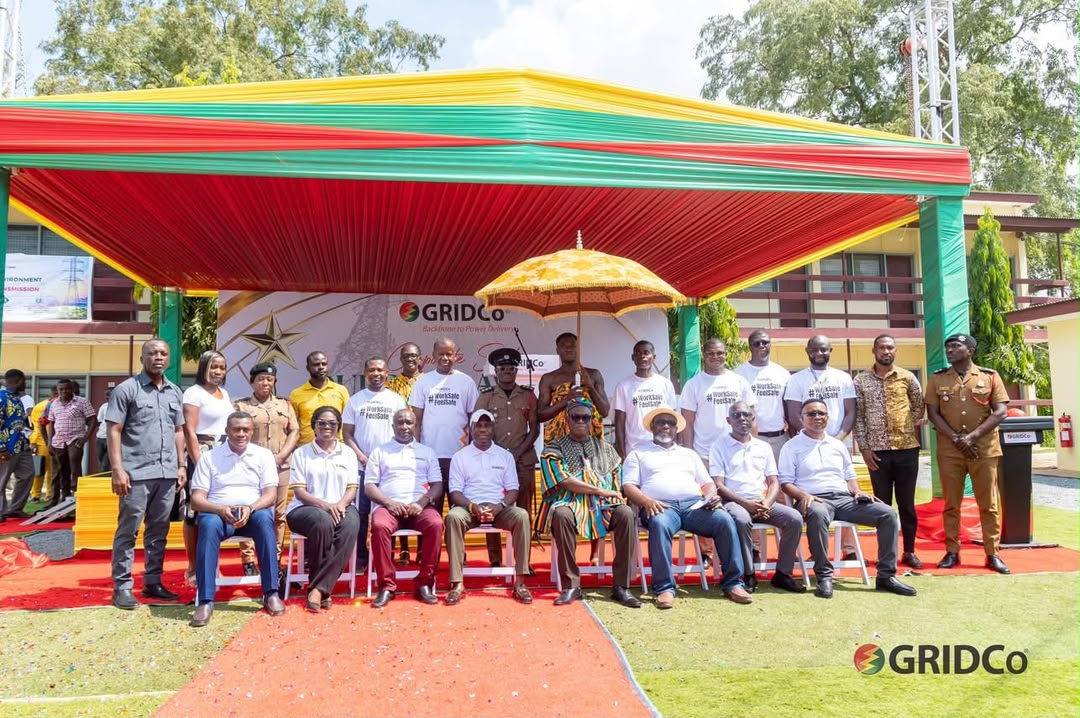
The celebrations were spearheaded by the Corporate Safety Section of GRIDCo’s Technical Services Department as part of efforts to strengthen safety awareness and promote a workplace culture in which individuals take responsibility for their own safety and that of others.
The grand durbar brought the activities to a close, but the company’s message was that the responsibility must continue throughout the year.
“Remember, safety does not end with the celebrations; it must remain part of everything we do.”
That message captures the central challenge facing any organisation seeking to build a sustainable safety culture: translating awareness into consistent operational practice.
For GRIDCo, this means ensuring that safety considerations remain embedded in field operations, maintenance activities, staff supervision, emergency preparedness and the management of transmission facilities.
It also requires leadership to reinforce accountability and provide the systems, training and resources employees need to perform their duties safely.
The broader energy-sector implication is that the reliability of electricity supply is influenced by more than infrastructure investment alone.
The people responsible for operating and maintaining that infrastructure must be able to carry out their work without exposing themselves, colleagues or the public to avoidable risks.
GRIDCo’s safety celebrations have placed that responsibility in the spotlight. The recognition of staff and collaborating institutions provides an opportunity to reinforce the message, but the more important measure will be the extent to which safety practices are sustained in everyday operations.
Ultimately, protecting the workforce and safeguarding the transmission network are connected responsibilities.
For a company at the centre of Ghana’s electricity delivery system, making safety a daily operational priority is also part of protecting the reliability of power supply.
READ ALSO: Ghana Targets 50% Local Cocoa Processing