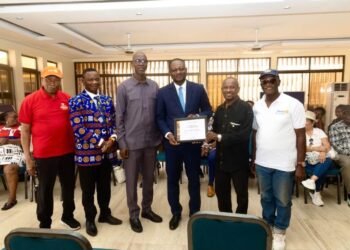
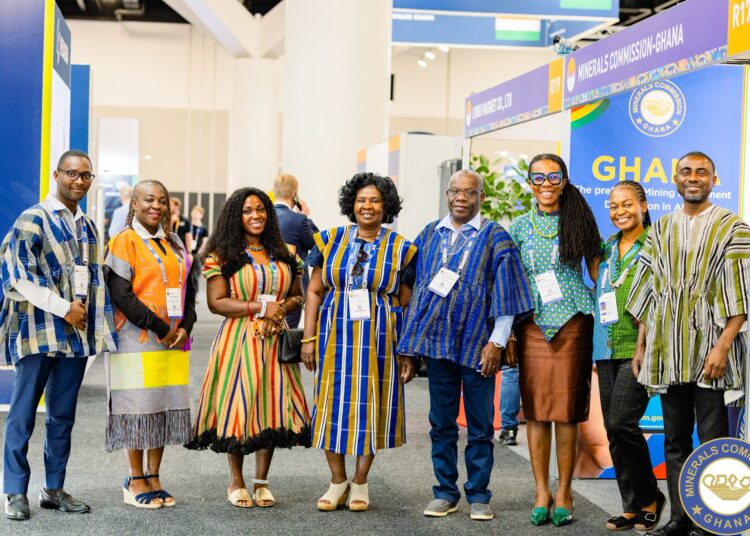
The Minerals Commission of Ghana (MinCom) spearheaded an executive trade delegation during Day 3 of the International Mining and Resources Conference (IMARC 2026) in Sydney, Australia, highlighting the country’s vast mineral potential and expanding commercial prospects across the local extraction ecosystem.
Taking center stage at the official Ghanaian pavilion, delegates actively engaged international institutional investors, global mining giants, and capital market stakeholders to present emerging opportunities spanning exploration, downstream processing, and technological services.
The showcase forms a central pillar of West Africa’s broader industrial drive to move beyond raw material extraction toward localized value creation and sustainable resource management.
“Beyond showcasing Ghana’s mineral wealth, these engagements provided valuable opportunities to strengthen international relationships, exchange industry insights and explore strategic partnerships aimed at advancing responsible and sustainable mining.”
Minerals Commission of Ghana
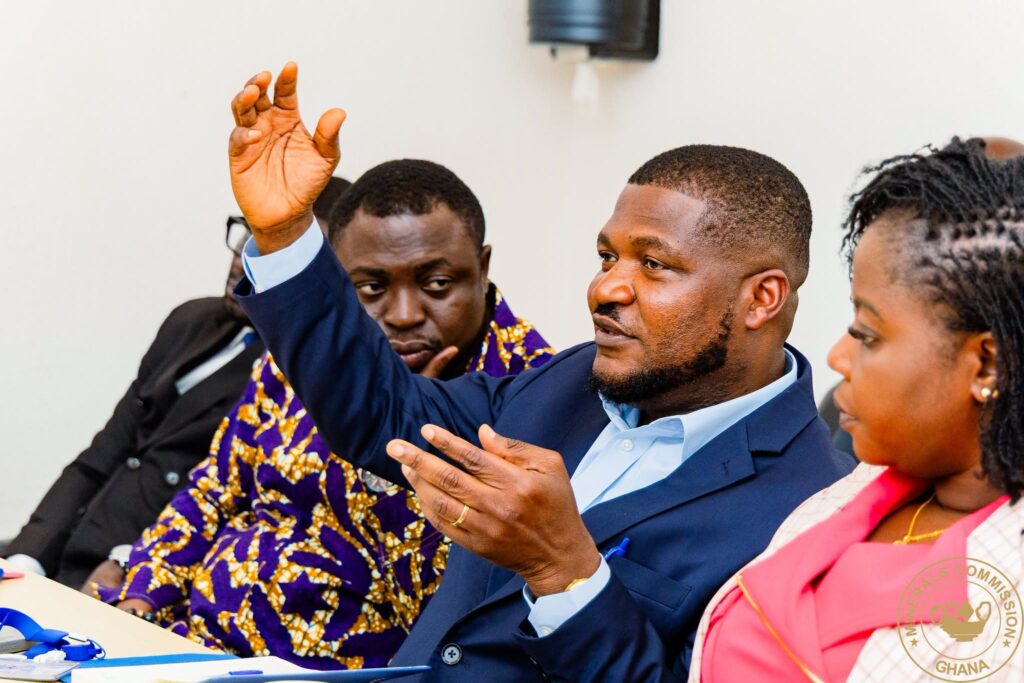
Expanding on these trade engagements, the delegation showcased Ghana’s rich cultural identity by dressing in traditional Ghanaian attire while facilitating high-level business match-making sessions.
Beyond advertising raw geological wealth, MinCom utilized the platform to strengthen bilateral ties, exchange operational intelligence, and cultivate strategic joint ventures tailored toward modernizing the regional mining value chain.
Representatives focused heavily on highlighting the nation’s regulatory stability and strategic frameworks designed to support ethical mineral supply chains and responsible mining operations.
Strategic imperative of global trade missions
West Africa’s mining industry is undergoing a structural transition where economic sustainability requires an immediate pivot from traditional raw ore exports toward domestic mineral beneficiation.
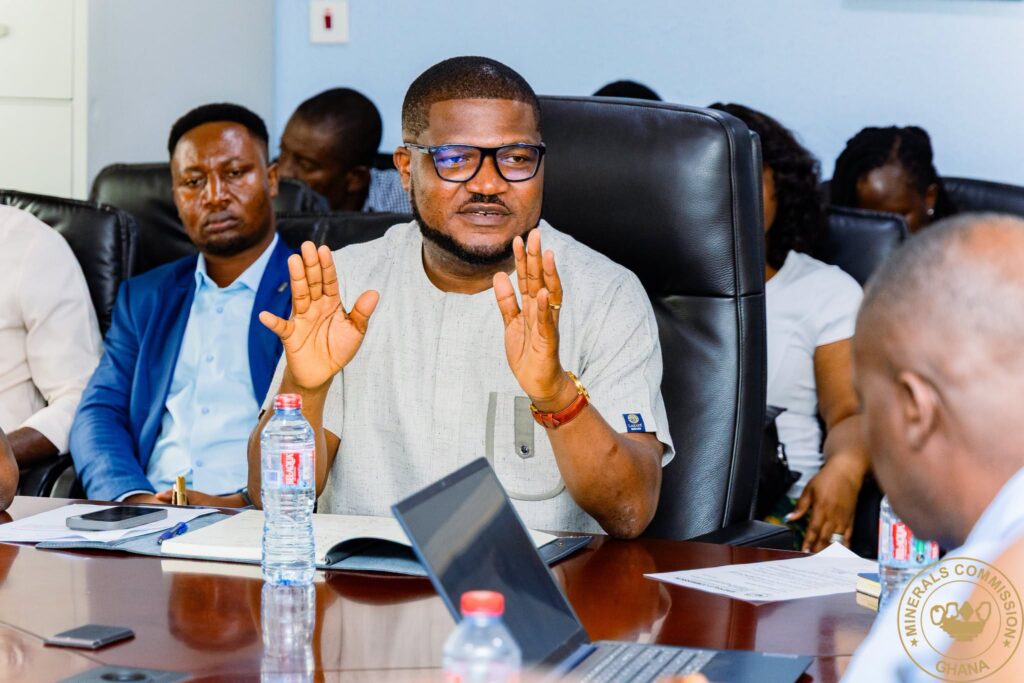
For decades, the extraction of gold, bauxite, manganese, and emerging green energy minerals like lithium was dominated by simple export models, leaving host countries vulnerable to global commodity price swings while losing substantial downstream revenue.
By establishing a direct, highly visible presence at major global forums like IMARC, regulatory authorities directly connect domestic venture projects with foreign direct investment (FDI) and technical expertise required to establish refinery capacity, local equipment manufacturing, and processing hubs within national borders.
Catalyzing sustainable investment and technological partnerships
Attracting clean technology and environmental management expertise remains a top policy objective for West Africa’s resource leadership.
Engaging international partners directly at global trade exhibitions allows state regulators to present updated investment codes, environmental compliance measures, and fiscal incentives directly to international boards.
Through these targeted engagements, regulators aim to build robust eco-friendly extraction frameworks while ensuring foreign capital aligns with community development initiatives and ethical supply chain requirements demanded by contemporary global markets.
Strengthening long-term mineral value retention
As competition for critical global minerals intensifies, proactive regulatory diplomacy ensures host nations secure high-value industrial partnerships rather than basic extraction concessions.
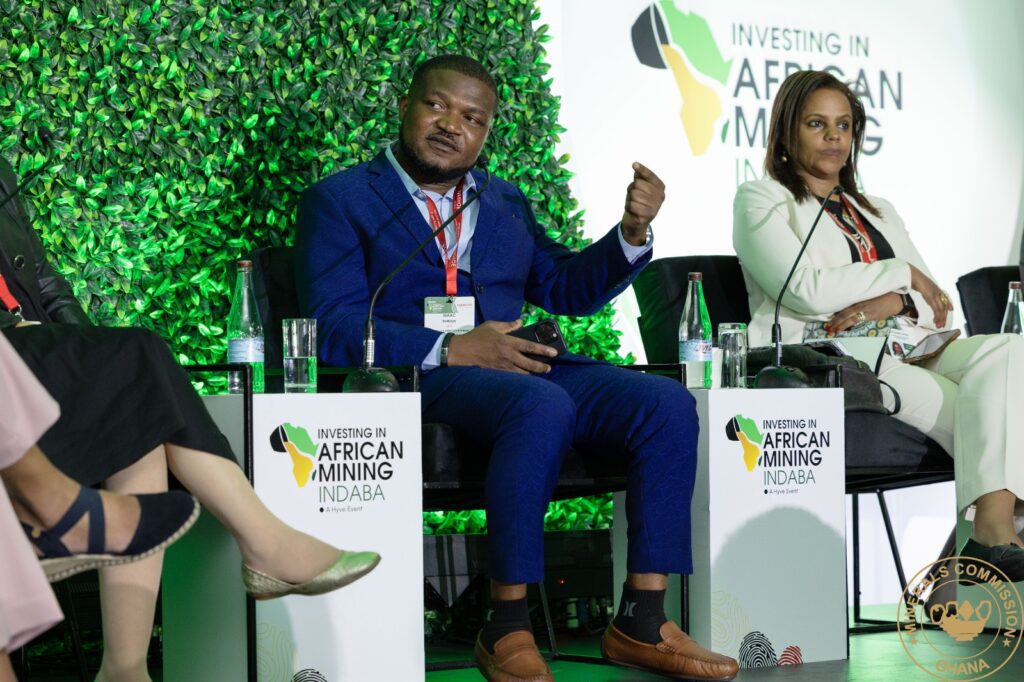
Establishing long-term strategic alliances through global outreach programs helps bridge local technological gaps, upskill the domestic workforce, and accelerate regional industrial development.
Through consistent bilateral dialogue at international summits, natural resource managers are actively building a modern, diversified mining economy that captures maximum long-term economic value for future generations.
READ ALSO: Ghana Records Growth in Crops and Livestock Production