
Ghana’s rising crop production and expanding livestock population are creating opportunities in food processing, animal feed, storage, logistics and commercial farming.
The figures published by the Ghana Statistical Service (GSS) in Ghana in Numbers, 2025 show substantial increases in selected staple crops between 2013 and 2024, alongside long-term growth in cattle, sheep and poultry populations.
The figures are drawn from the Statistics, Research and Information Directorate (SRID) of the Ministry of Food and Agriculture (MoFA), which compiles agricultural production and livestock statistics. For businesses, they indicate the raw material base available to processors and manufacturers.
The commercial significance extends beyond harvest volumes. Converting production into business growth requires aggregation, quality control, storage, finance and efficient routes to market.
Investment in these areas can connect farmers with manufacturers, retailers and institutional buyers.
“Between 2013 and 2024 cassava rose from 16.0 to 28.5 million metric tonnes.”
Ghana Statistical Service
Crop Growth Widens Processing Opportunities
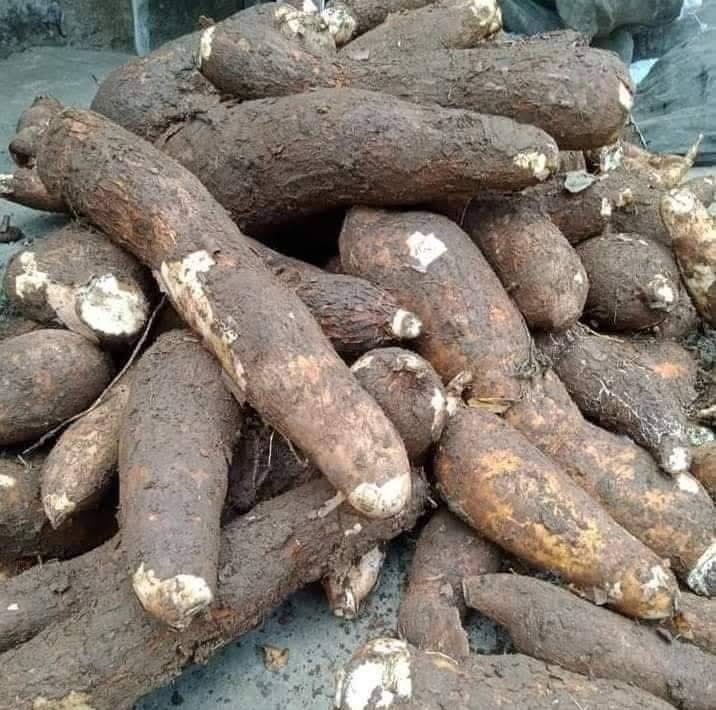
Cassava recorded the largest output among the selected crops, rising from 16.0 million metric tonnes in 2013 to 28.5 million in 2024. Yam increased from 7.1 million to 11.4 million tonnes, while plantain rose from 3.7 million to 7.2 million tonnes.
Maize climbed from 1.8 million to 3.3 million tonnes, and rice almost doubled from 0.6 million to 1.1 million tonnes.
These increases expand the potential raw material base for food manufacturers, millers, starch producers, flour processors and animal feed businesses.
Cassava can be processed into gari, high quality flour and starch. Maize is a key poultry feed ingredient, while increased rice output supports milling, grading, packaging and local-rice brands.
Also, plantain and yam can be converted into flour, chips and other products with longer shelf lives.
“Maize rose from 1.8 to 3.3 million tonnes, and rice almost doubled, from 0.6 to 1.1 million tonnes.”
Ghana Statistical Service
The expansion creates demand for improved seeds, fertiliser, irrigation equipment, machinery, drying systems and warehouses. Aggregators and transporters can link farms to processors.
However, production totals are not the same as quantities available for industrial use. Some harvests are consumed by farming households, sold through informal markets or lost after harvest.
These processors need dependable supply agreements, quality standards and information on seasonal availability. Investment in storage, roads and post harvest handling is essential to turn higher output into consistent factory supply.
Livestock Growth Builds Commercial Value Chains
The GSS report records growth in livestock populations since 1990. Cattle numbers more than doubled, from 1.1 million to 2.4 million, while sheep increased from 2.2 million to 6.3 million, nearly three times the earlier figure.
“Cattle more than doubled, from 1.1 million to 2.4 million. Sheep nearly tripled, from 2.2 million to 6.3 million.”
Ghana Statistical Service
Poultry recorded the sharpest increase, rising from 10.0 million birds in 1990 to 90.8 million in 2024.
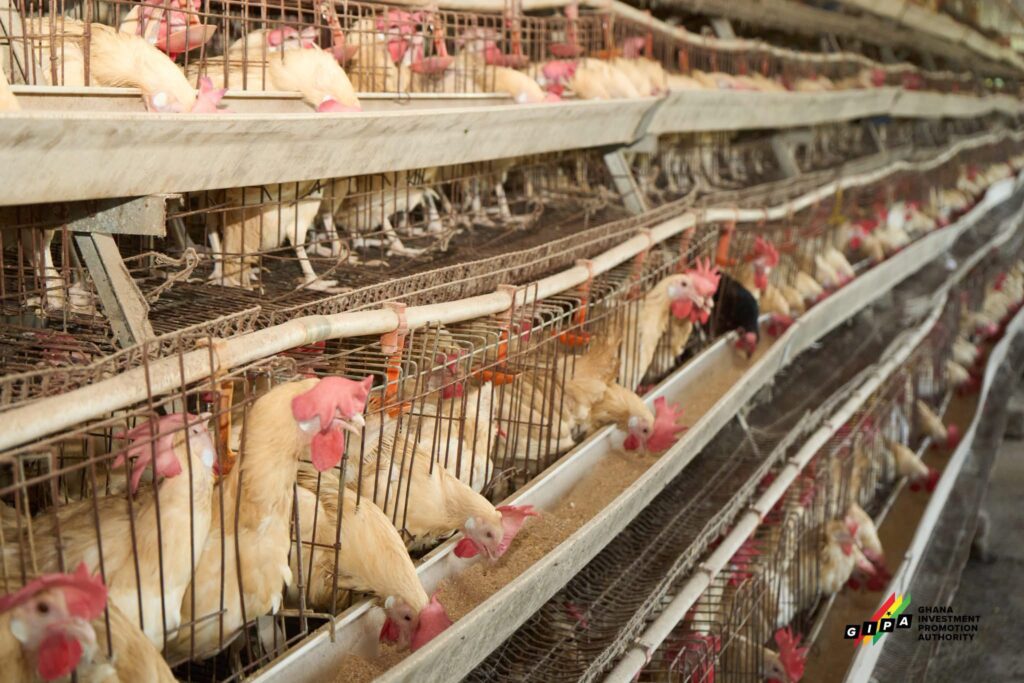
This supports commercial activity in hatcheries, breeding, feed production, veterinary medicines, vaccines, poultry housing, egg handling, slaughtering, cold storage and distribution.
MoFA’s Agriculture in Ghana: Facts and Figures 2024, prepared by SRID, reports 2024 estimates of approximately 2.411 million cattle, 6.293 million sheep and 90.835 million poultry, corroborating the rounded totals in the GSS publication. SRID produces agricultural statistics to support public and private sector planning.
“Poultry grew fastest of all, from 10.0 million birds to 90.8 million, nine times more in a single generation.”
Ghana Statistical Service
Investment Must Convert Output Into Value
Ghana’s opportunity lies in strengthening links between primary production and businesses that process, package and distribute food.
Also, silos, warehouses, cold rooms, pack houses, testing laboratories, modern mills and processing plants can reduce post harvest losses, protect quality and extend marketing periods.
Financial institutions can provide seasonal loans, equipment leasing, working capital, warehouse receipt finance and livestock insurance. Contract farming can give farmers clearer markets and help processors secure supply, provided prices and payment terms are transparent.
MoFA’s SRID conducts crop and livestock surveys and prepares production statistics, commodity price information and crop budgets. These resources help businesses assess production and input costs.
The Food and Agriculture Organization reported above average cereal production in Ghana in 2024, while noting the influence of rainfall on regional performance.
The GSS figures do not establish profitability or guarantee year round supply. They identify areas for commercial development. Businesses combining reliable sourcing, processing, storage and distribution can capture more value locally.
For government, the data can guide infrastructure and agricultural support. For investors, it points to opportunities across inputs, farming, livestock, processing and trade.
The next test is whether Ghana can turn a larger production base into dependable supply chains, competitive food products, stronger domestic manufacturing and sustainable agribusiness growth.
READ ALSO:Mahama Encourages Putin to Resume Ukraine Peace Talks