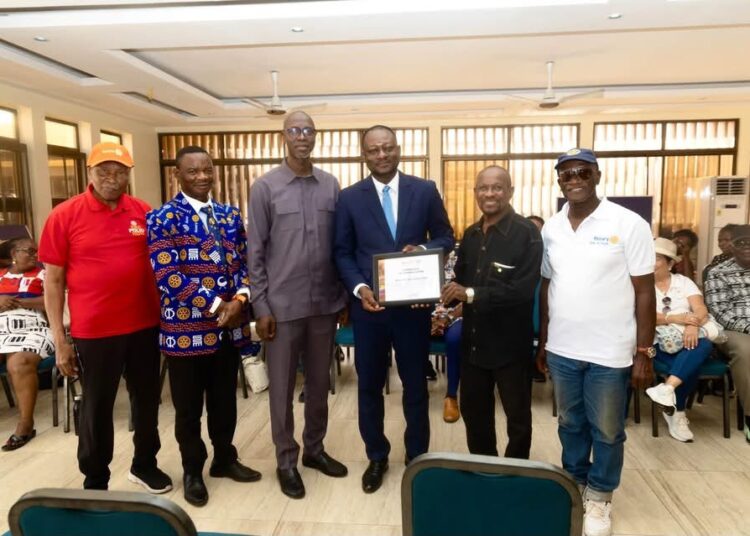
Tema Oil Refinery (TOR) has used a familiarisation tour by the Rotary Club of Accra to showcase its operations and reinforce the refinery’s place in Ghana’s industrial and energy-security landscape, as the state-owned facility continues to position its future around restoring operations and rebuilding public confidence.
The visit, brought members of Ghana’s first Rotary Club into direct contact with the processes involved in converting crude oil into finished petroleum products.
The delegation was led by Rotary District Governor Dr. Jack Andrews Dotsey and received by TOR Managing Director, Mr. Edmond Kombat, alongside senior management officials, including Deputy Managing Director Alhaji Mustapha Batalima Abubakar and Technical Advisor to the Managing Director, Nana Amoasi VII.
The engagement provided an opportunity for the refinery’s management to explain its operations, strategic importance to Ghana’s energy sector and future development plans, while members of the Club gained first-hand exposure to the technical processes behind petroleum refining.
Although the visit was primarily a familiarisation exercise, it also brought into focus a broader issue for TOR: the importance of public understanding and confidence as the refinery seeks to strengthen its role in Ghana’s energy system.
Bringing The Refinery Closer To The Public
For an industrial facility such as TOR, public understanding of its operations can influence how its role and challenges are perceived.
The refinery occupies an important place in Ghana’s petroleum value chain, but the technical nature of its work means that much of what happens within the facility is not readily visible to the wider public.
The familiarisation tour offered Rotary members an opportunity to see aspects of that work directly, rather than relying solely on public discussions about the refinery’s performance and future.

During the visit, members toured selected facilities, observed the stages involved in refining crude oil into finished petroleum products and interacted with members of TOR’s technical team.
The tour was therefore more than a courtesy engagement. It provided a practical introduction to the processes, equipment and technical expertise involved in operating a refinery.
For TOR, engagements of this nature can also create opportunities to explain the facility’s contribution to the economy and the work required to sustain its operations.
However, public confidence ultimately depends on performance. Familiarisation visits can improve understanding, but the refinery’s ability to demonstrate operational reliability, sound management and measurable progress will remain central to how it is judged.
Rotary Links Industrial Development To Community Priorities
Speaking on behalf of the Club, President Mr. Ben Asamafio thanked TOR management for the reception and the opportunity to visit the facility.
He said the tour had given members “valuable first-hand insight into the operations of one of Ghana’s key industrial facilities.”
The Club President also observed that TOR’s work relates to Rotary International’s seven areas of focus and indicated the Club’s interest in learning from the refinery’s experience and expertise in the energy sector.

“The tour had given members valuable first-hand insight into the operations of one of Ghana’s key industrial facilities.”
Ben Asamafio, President, Rotary Club of Accra
His comments place the visit within Rotary’s wider interest in understanding institutions and activities connected to development.
The connection between the refinery and Rotary’s areas of focus also provides a basis for further engagement, although the announcement did not identify any specific project or formal partnership between the two institutions.
The distinction is important. The visit established an opportunity for learning and interaction, but it did not amount to an announced collaboration or commitment to undertake joint programmes.
The Technical Work Behind Refining
One of the central elements of the visit was the opportunity to observe the stages involved in converting crude oil into finished petroleum products.
Refining is a complex industrial process that requires specialised equipment, technical expertise and careful management of operating conditions.
The tour allowed members to gain a better appreciation of the work carried out by TOR’s technical personnel.
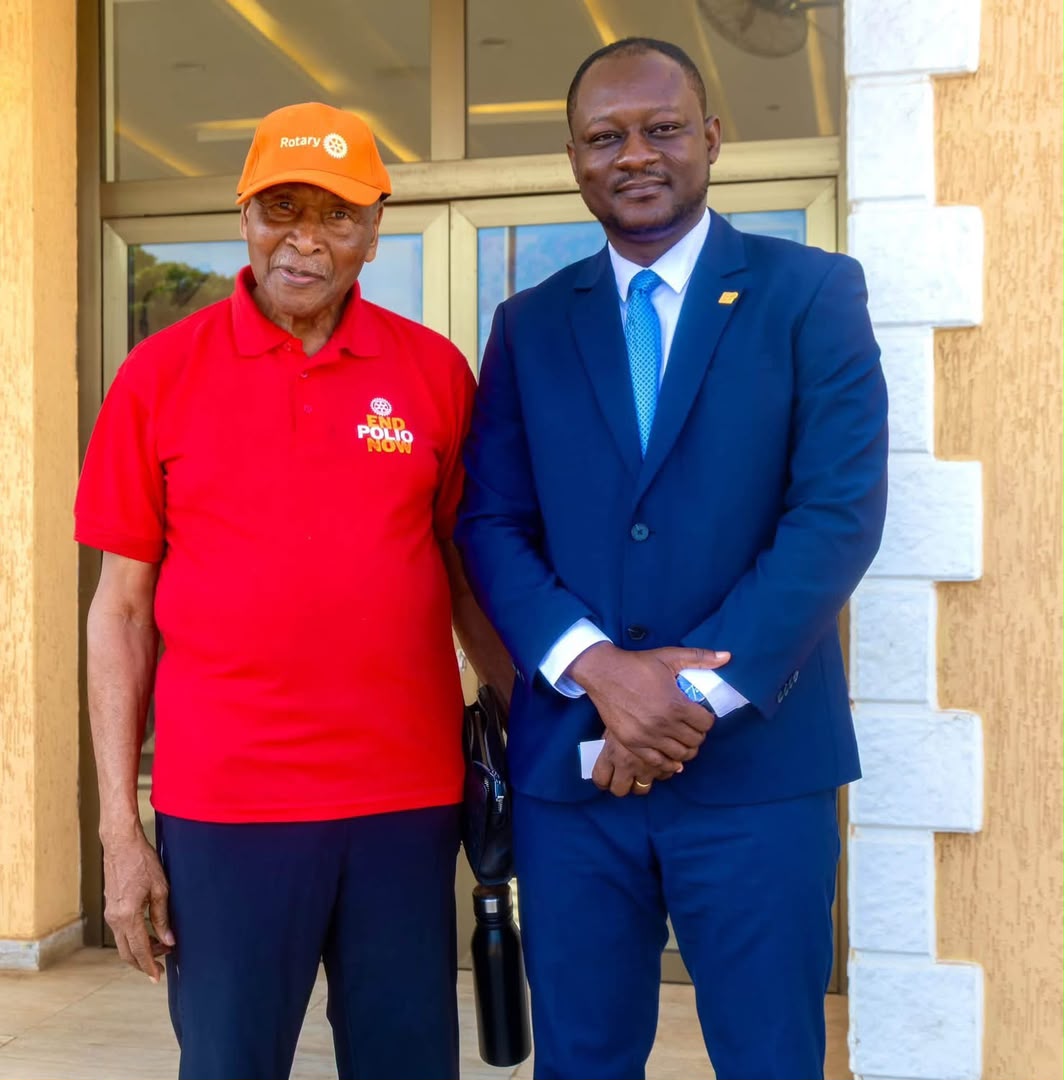
Their interaction with the technical team also provided an opportunity to learn about the practical demands of refinery operations.
This exposure is relevant because discussions about petroleum supply often focus on crude imports, finished-product prices and fuel availability, while the industrial processes that connect crude oil to usable products receive less attention.
A refinery’s contribution depends not simply on its physical presence but on its ability to operate safely and reliably, process crude and produce products that meet the required standards.
For TOR, communicating that operational reality is part of explaining why the refinery remains relevant to Ghana’s industrial and energy landscape.
Restoring Operations And Rebuilding Confidence
TOR’s visit with the Rotary Club comes against the backdrop of the refinery’s stated ambition to restore operations, rebuild confidence and secure Ghana’s energy future.
Its management used the engagement to brief the delegation on the facility’s strategic importance and future development plans.

The refinery’s longer-term relevance will depend on its ability to translate those plans into operational results. This includes demonstrating that it can sustain refining activity and contribute meaningfully to the country’s petroleum supply system.
The familiarisation tour did not provide details of specific operational milestones, investment commitments or timelines for the refinery’s future development.
It would therefore be premature to treat the visit as evidence of progress on those fronts.
What it does demonstrate is TOR’s willingness to open its operations to external stakeholders and provide a closer understanding of the institution’s work.
That engagement can contribute to public awareness, but the stronger measure of confidence will be the refinery’s ability to deliver on its operational and development objectives.
Beyond A Familiarisation Visit
The visit by the Rotary Club of Accra offered both institutions an opportunity to engage around the refinery’s role in Ghana’s industrial development.
For the Club, it provided first-hand exposure to a major industrial facility and an opportunity to learn from the expertise of its technical personnel.
For TOR, it created a platform to explain its operations, outline its strategic importance and engage with members of a longstanding civic organisation.
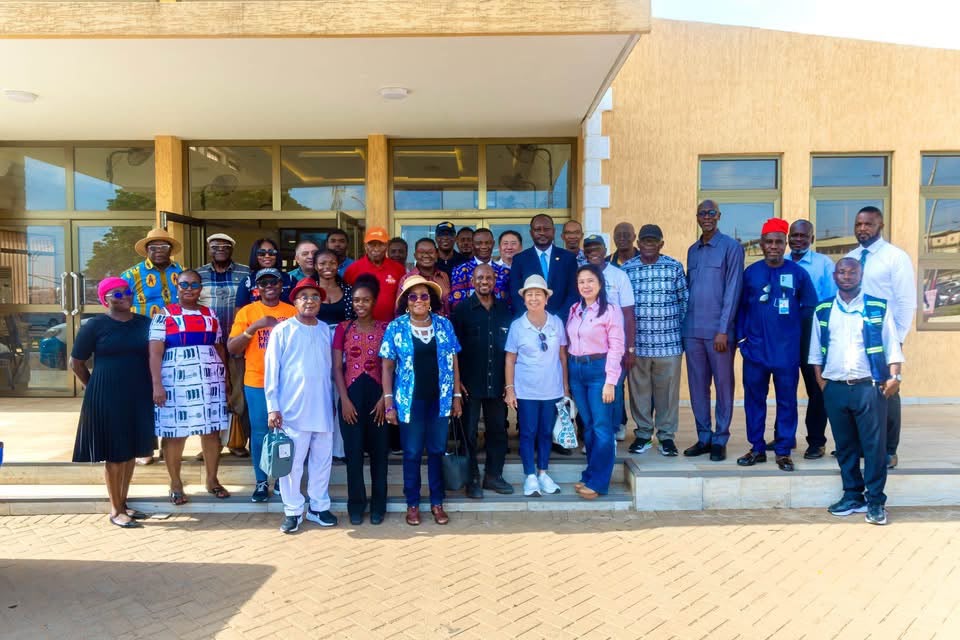
“TOR appreciates the visit and the interest demonstrated by the Rotary Club of Accra in learning about the refinery and its operations.”
The engagement may provide a foundation for continued interaction, particularly given the Club President’s interest in the relationship between TOR’s work and Rotary International’s development priorities. However, no formal follow-up programme was announced.
Ultimately, the significance of the visit lies in the connection it creates between an important national industrial institution and members of the wider public.
As TOR works towards restoring operations and rebuilding confidence, greater public understanding can complement the more demanding task of demonstrating operational performance.
The refinery’s future will be determined by what it can deliver, but its engagement with stakeholders can help ensure that the public understands both its role and the expectations attached to it.
READ MORE: Ghana’s Economy Surges to GH¢1.43 Trillion