
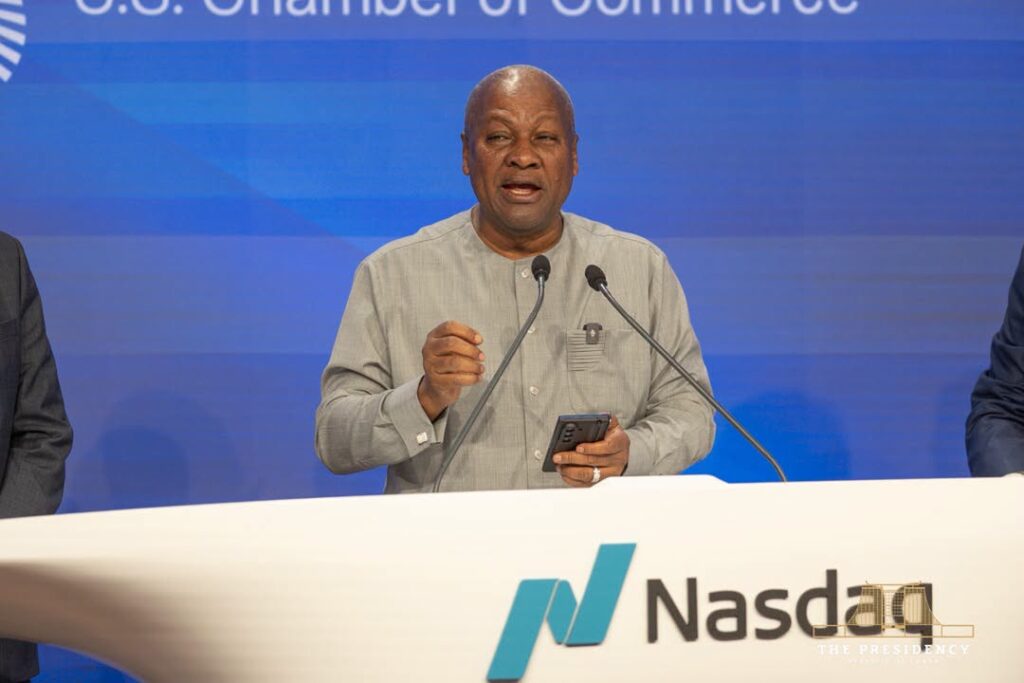
His Excellency John Dramani Mahama, the president of Ghana has stated that Ghana’s small-scale gold sector achieved 104 tonnes in official exports during 2025, yielding US$10.8 billion in foreign exchange inflows following the operational rollout of national legal reforms.
Speaking in Moscow, Russia, he outlined that the institutional establishment of the Ghana Gold Board (GoldBod) under the Ghana Gold Board Act, 2025 (Act 1140) successfully reformed artisanal trade monitoring, directly elevating recorded export volumes from the 64 tonnes documented in 2024.
“We passed the law with very strict penalties, strong, including imprisonment, if you were found carrying gold out of Ghana unauthorized.”
His Excellency John Dramani Mahama

Expanding on these findings, President Mahama highlighted that the legal framework fundamentally restructured how precious minerals leave the country, converting an uncoordinated system into an aggregated, fully traceable supply chain.
With gold deposits spanning 10 of Ghana’s 16 administrative regions, centralizing the purchase, assaying, and export processes under GoldBod prevented the unmonitored outflow of mineral wealth.
Consequently, foreign exchange returns nearly doubled from the US$4.6 billion recorded in 2024, curbing local currency leaks and ensuring capital returns to the domestic banking system.
Regulatory Overhaul of the Extractive Sector
Prior to the passage of Act 1140, Ghana’s mineral regulatory framework faced severe vulnerabilities in tracking small-scale and artisanal outputs.
Unlicensed intermediaries routinely purchased raw gold locally and dispatched shipments abroad without repatriating the derived foreign currency through official banking channels.
This practice starved the domestic economy of essential foreign exchange liquidity, creating systemic pressure on the national currency and obscuring true sovereign output metrics.
The introduction of the Ghana Gold Board Act on March 28, 2025, followed by presidential assent on April 2, 2025, established an exclusive statutory body to handle national gold marketing.
Under this regime, GoldBod assumed sole responsibility for aggregating, assaying, and authorizing shipments originating from small-scale operations.
By illegalizing direct individual sales and enforcing statutory compliance, the government effectively closed regulatory loopholes that previously enabled widespread cross-border leakage.
Fiscal and Foreign Exchange Stabilization
The structural shift in precious mineral governance has delivered measurable macroeconomic benefits by securing capital retention within national borders.
By compelling exporters to route transactions through state-sanctioned channels, GoldBod ensured that all foreign exchange yields return to the domestic economy.
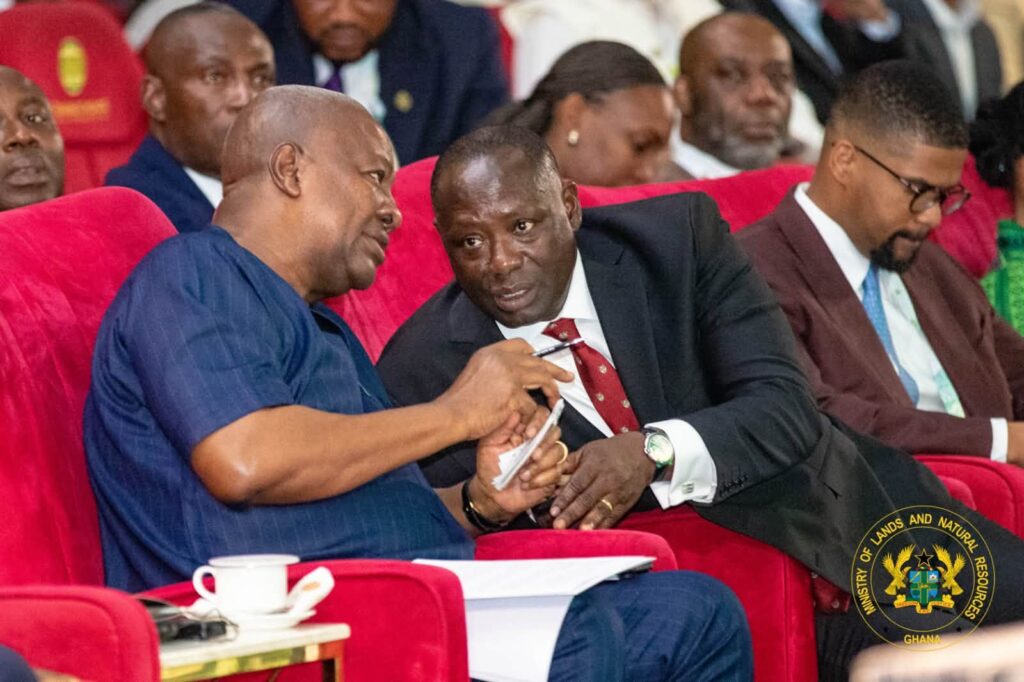
This mechanism provided crucial liquidity to bolster foreign reserves and stabilize balance-of-payments projections.
Beyond immediate revenue retention, the framework established comprehensive legal deterrents against illicit mineral trading.
Enforced criminal penalties, including mandatory imprisonment for unauthorized transport, established clear boundaries for trade compliance.
As a result, commercial confidence in the country’s extractive metrics has strengthened, positioning formal artisanal mining as a reliable, transparent driver of sovereign wealth generation.