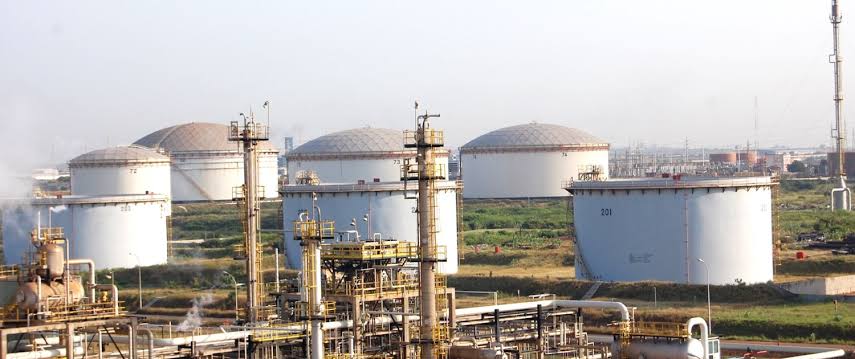
Government has reaffirmed its commitment to modernising and recapitalising the Tema Oil Refinery (TOR), signalling that the state-owned refinery will remain central to Ghana’s long-term energy security strategy following its return to profitability and renewed efforts to strengthen corporate governance.
The assurance, given by the Minister for Energy and Green Transition, Dr. John Abdulai Jinapor, comes as government steps up efforts to reposition key state-owned energy institutions amid growing concerns over fuel security, rising import dependence and the financial sustainability of the country’s energy sector.
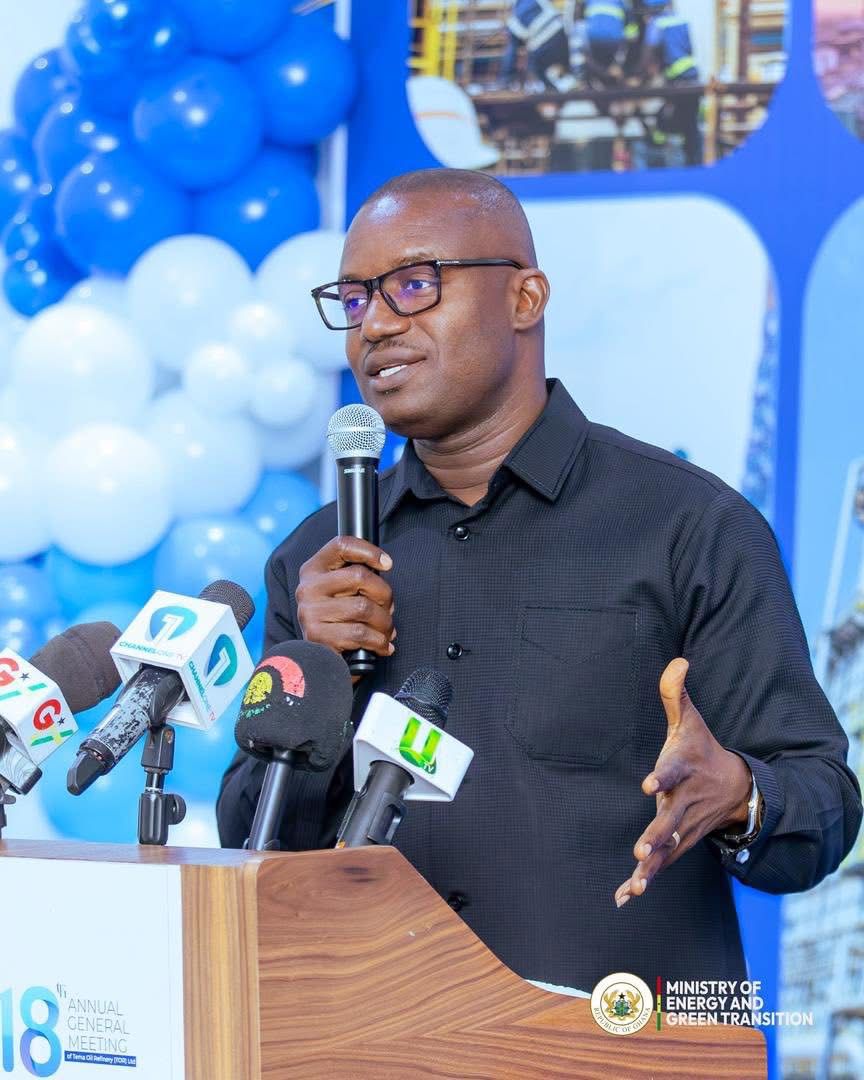
Speaking at TOR’s 18th Annual General Meeting (AGM), the Minister described the presentation of nine years of audited financial statements, covering the 2017 to 2025 financial years, as an important governance milestone for the refinery.
This marks a significant milestone in restoring statutory compliance, strengthening transparency and reinforcing confidence in one of Ghana’s most strategic national assets.
Minister for Energy and Green Transition, John Abdulai Jinapor
The Minister also welcomed the refinery’s improved financial performance and the successful restart of refining operations following maintenance works on its Crude Distillation Unit, describing both developments as signs that the refinery is gradually regaining operational momentum.
His comments build on recent announcements by TOR that it recorded a profit after tax of GH¢1.24 billion for the 2025 financial year, its first return to profitability in almost a decade, and cleared a long-standing backlog of financial reporting by presenting nine years of audited accounts to shareholders.
Beyond profitability
While the return to profit has attracted attention, analysts say the more significant issue is whether the refinery can sustain operational improvements and reduce Ghana’s growing reliance on imported petroleum products.
For years, Ghana has depended heavily on imported refined fuels despite being an oil-producing nation. That dependence has left the country exposed to fluctuations in international fuel prices, foreign exchange pressures and global supply disruptions, particularly during periods of geopolitical tension.
Recent volatility in international oil markets following tensions in the Middle East once again demonstrated how quickly external events can influence domestic fuel prices and inflation.
Against that backdrop, strengthening domestic refining capacity is increasingly being viewed not only as an industrial objective but also as a matter of national energy security.
Recognising this, Dr. Jinapor said government would continue supporting the refinery’s long-term transformation.
Government remains committed to supporting TOR’s modernization, recapitalization and long-term growth. A strong and resilient national refinery is essential to enhancing Ghana’s energy security, creating jobs, adding value to our crude oil resources and reducing dependence on imported refined petroleum products.
Minister for Energy and Green Transition, Dr. John Abdulai Jinapor
A broader reform agenda
Earlier on Tuesday, Dr. Jinapor had led the heads of agencies under the Ministry of Energy and Green Transition to the Ministry of Finance, where both ministries aligned priorities on financing reforms across the petroleum, electricity and renewable energy sectors.
The meeting focused on ensuring that key institutions within the energy sector receive the policy and financial support needed to accelerate ongoing reforms, improve operational efficiency and strengthen Ghana’s long-term energy security.
The minister’s appearance at TOR’s AGM later the same day reinforced that broader agenda, linking refinery reform to wider efforts to improve governance, operational performance and investment across strategic energy institutions.
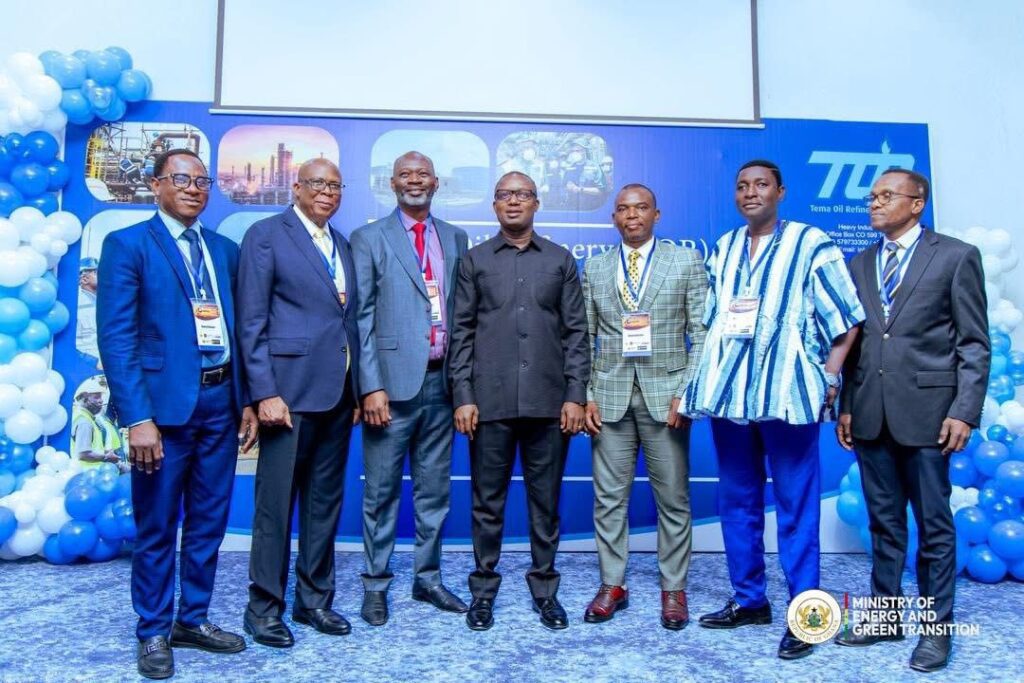
Addressing shareholders and stakeholders at the AGM, Dr. Jinapor described the presentation of nine years of audited financial statements as an important milestone in restoring confidence in the refinery and commended management for the turnaround achieved so far.
Edmond Kombat has demonstrated beyond reasonable doubt that he is capable, and every objective person who takes a critical look at where TOR was, where he has brought the refinery, and where he is taking the refinery, I can only say a 100/100.
Minister for Energy and Green Transition, Dr. John Abdulai Jinapor
The minister also welcomed the refinery’s improved financial performance and the successful restart of refining operations following maintenance works on the Crude Distillation Unit, describing both developments as important steps toward restoring TOR’s strategic role within Ghana’s petroleum sector.
He reiterated government’s commitment to supporting the refinery’s modernisation and recapitalisation programme, stressing that a stronger national refinery would help improve energy security, create jobs, add value to Ghana’s crude oil resources and reduce the country’s dependence on imported refined petroleum products.
Why TOR matters
For many Ghanaians, the refinery’s performance may appear to be a corporate issue. In reality, its long-term health has implications that extend well beyond its balance sheet.
A stronger and more efficient TOR could help reduce exposure to external supply shocks, improve fuel supply resilience and support greater value addition within Ghana’s petroleum industry.
Domestic refining also has the potential to stimulate industrial activity, create specialised technical jobs and retain more economic value within the country rather than exporting crude and importing refined products at higher cost.
These ambitions are becoming increasingly relevant as African governments seek to strengthen local processing capacity across strategic sectors, including petroleum and mining, in order to build more resilient economies.
The next challenge
Industry observers note, however, that returning to profitability is only one step in what remains a much longer recovery process.
The refinery’s long-term success will depend on sustained investment, operational efficiency, sound corporate governance and successful recapitalisation to modernise ageing infrastructure.
Government’s renewed commitment therefore sends an important signal to investors and industry stakeholders that TOR remains a strategic national asset rather than simply another state-owned enterprise.
If backed by consistent investment and policy support, the refinery’s recent turnaround could mark the beginning of a broader effort to rebuild Ghana’s domestic refining capacity and strengthen the country’s energy resilience in an increasingly uncertain global market.
READ ALSO: Military Engineers Tasked to Lead Ghana’s Emergency Flood Response