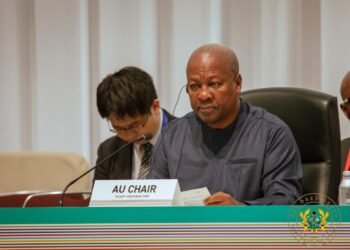
The Chairman of the Church of Pentecost, Apostle Eric Kwabena Nyamekye, has called for deep national introspection over the persistence of corruption in Ghana despite the country’s strong religious identity. He stated that the continued prevalence of unethical behaviour poses questions about the relationship between faith and daily conduct.
Speaking during the 2026 National Day of Thanksgiving and Prayer Service at Jubilee House, the clergyman said regular church attendance alone has not translated into moral transformation across society. He observed that corruption remains embedded in both public institutions and private dealings, even as many citizens openly profess Christian beliefs.
Apostle Nyamekye stated that Ghana’s development challenges extend beyond economics and governance structures. He explained that moral decay continues to weaken national progress and demands urgent attention from citizens and leaders alike.
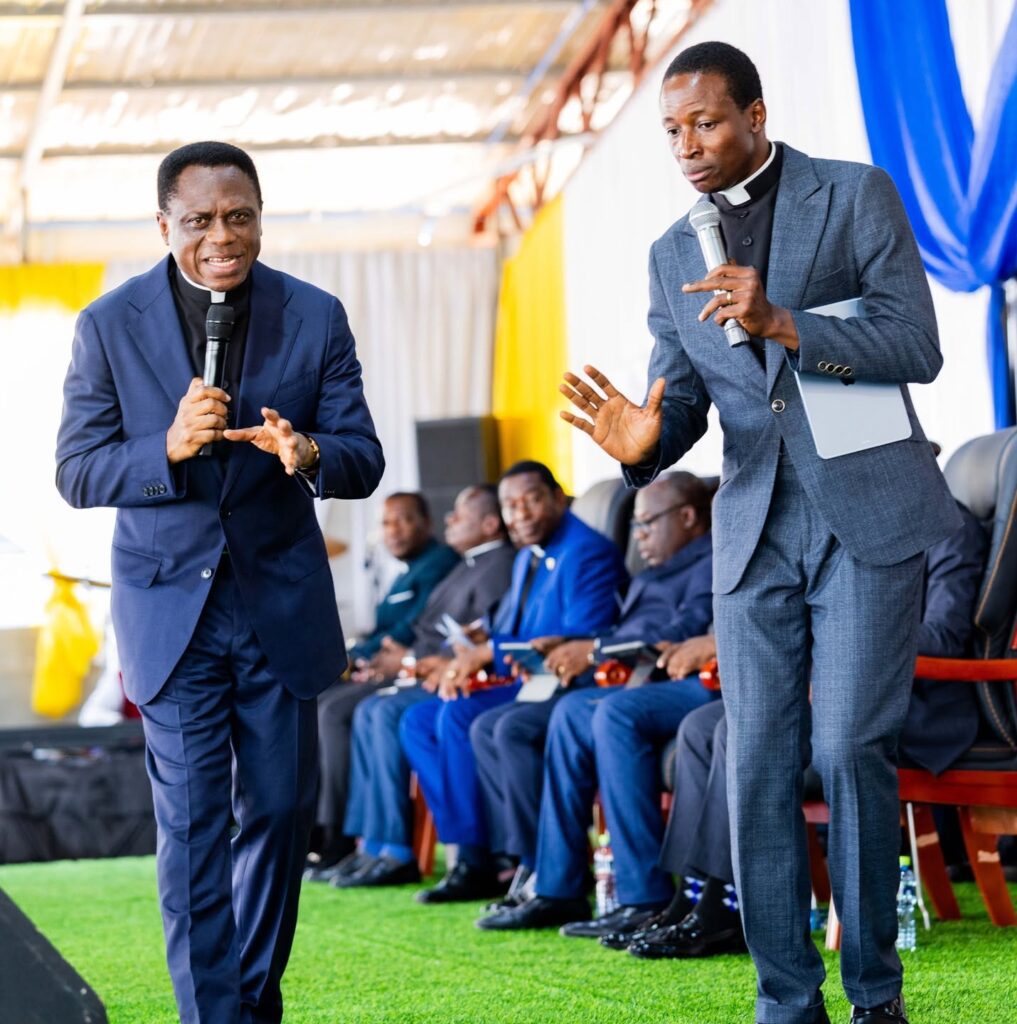
“We all go to church, yet corruption still thrives. That should force all of us to examine the values guiding our daily choices.”
Apostle Eric Kwabena Nyamekye
He stressed that genuine national progress begins with personal responsibility and ethical discipline. He added that societies experience meaningful change when individuals commit to integrity in both public and private life.
The Chairman of the Church of Pentecost further urged Ghanaians to abandon conduct that undermines justice, honesty and accountability. He noted that a culture of righteousness would strengthen institutions and improve trust within society.
Drawing from biblical teachings, Apostle Nyamekye said many nations recorded restoration after embracing repentance and moral renewal. He argued that Ghana could experience similar transformation if citizens deliberately choose upright living.
He also proposed ethics education as a long term response to corruption. According to him, values based learning should begin at the foundational stages of education and continue through higher academic levels.
Apostle Nyamekye explained that introducing ethics into formal education could help shape future leaders with stronger moral convictions. He said sustained value formation would gradually reduce corruption and strengthen national development.
Moral Renewal Key to Ghana’s Future, Religious Leader Urges
The Chairman of the Church of Pentecost, Apostle Eric Kwabena Nyamekye, called for a moral awakening as a necessary step toward Ghana’s long term transformation. He said lasting national progress depends on citizens who embody integrity, discipline and patriotism.
He argued that policy reforms alone cannot solve the country’s social and developmental challenges. He indicated that true national advancement requires a change in character and values.
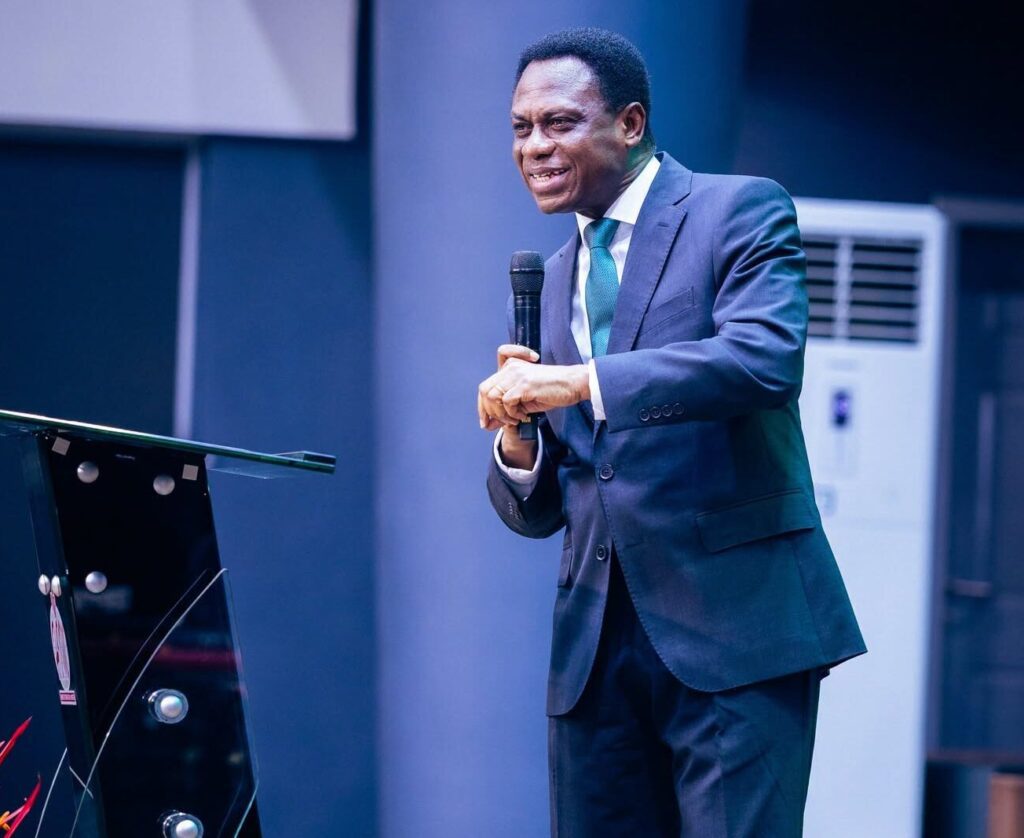
According to the cleric, Ghana needs citizens who are prepared to place ethical principles at the centre of daily life. He said the country’s future would be shaped by people committed to honesty and responsibility.
“We need new Ghanaians. We need people whose values can bring righteousness and restore confidence in the nation.”
Apostle Eric Kwabena Nyamekye
Apostle Nyamekye stated that national renewal begins when individuals consciously reject harmful behaviours and embrace moral responsibility. He added that collective transformation often starts with personal decisions that influence families, communities and institutions.
He urged citizens to seek renewal through repentance and self reflection. In his view, spiritual growth remains closely connected to national healing and social progress.
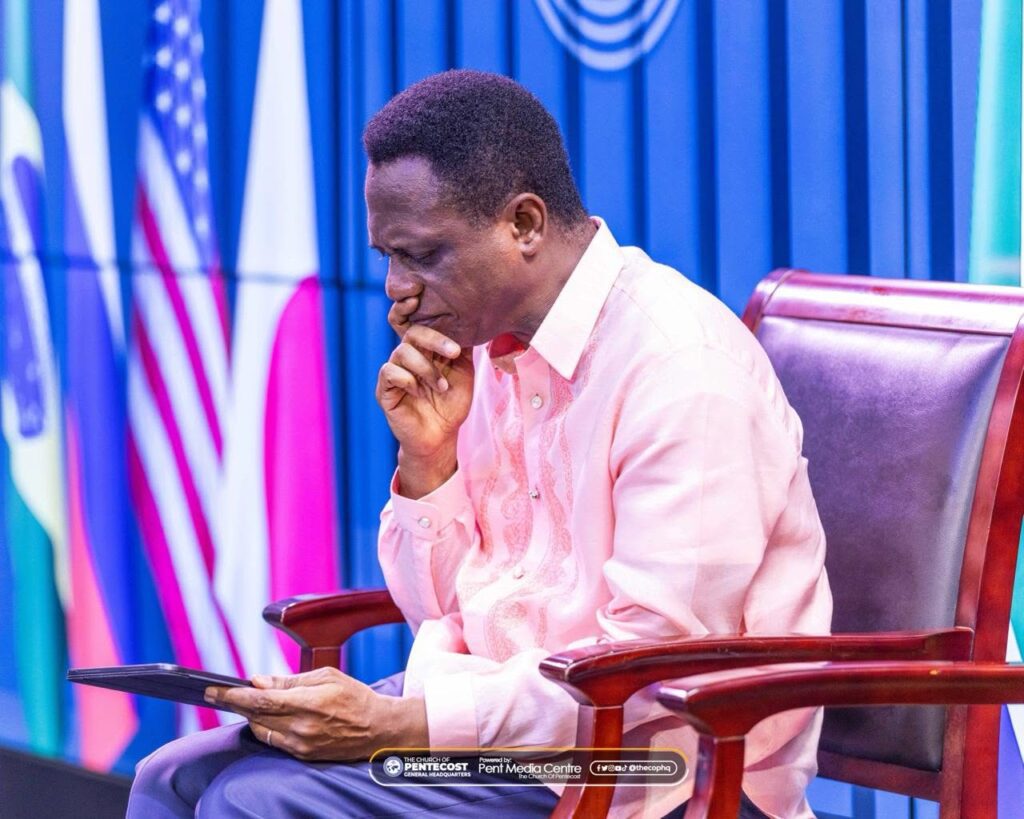
Referring to biblical history, he said nations that returned to God often experienced restoration and stability. He suggested that Ghana could also chart a better path through renewed commitment to shared moral values.
Furthermore, he emphasised that patriotism must go beyond rhetoric and translate into responsible action. He noted that love for country becomes meaningful when citizens uphold principles that strengthen justice and social cohesion.
Apostle Nyamekye also highlighted integrity as an essential ingredient for sustainable development. He said strong institutions flourish when individuals choose accountability and place national interest above personal gain.
READ ALSO: USA, Bosnia Refuse to Abandon Identity Ahead of RO 32 Showdown