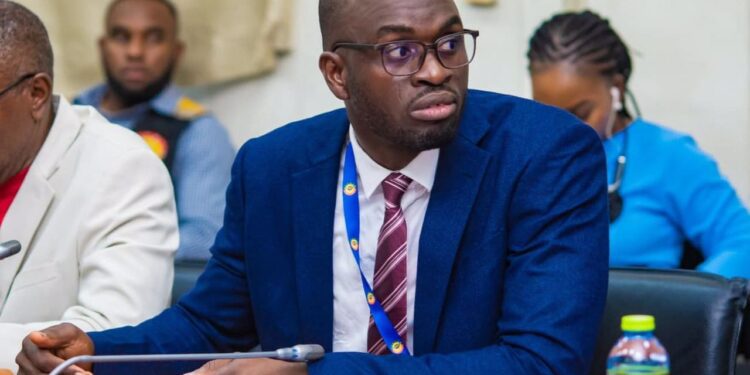
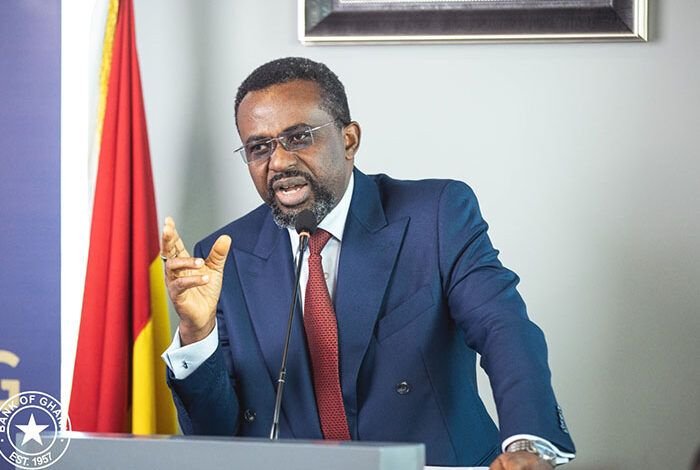
Hon. Kabiru Tiah Mahama, Member of Parliament for Walewale and member of the Finance Committee, has voiced strong dissatisfaction over the Bank of Ghana’s (BoG) decision to liquidate 22.2 gold tonnes of the country’s precious reserves.
Raising the issue during parliamentary deliberations on the committee’s report, the lawmaker condemned the sale, pointing out a stark contradiction between official praise for gold-backed economic stabilization and the central bank’s actual liquidation practices.
He emphasized that depleting state bullion reserves undermines the nation’s financial resilience, especially at a time when domestic accumulation policies are hailed as crucial for currency defense.
“Mr. Speaker, this is a policy they have commended, but the next paragraph has highlighted that the Bank of Ghana liquidated about 22.2 tonnes of our gold reserves, and on one breath you are telling us that it is contributing to the stability of our economy and on another breath you are selling the gold that has been accumulated under the previous government.”
Hon. Kabiru Tiah Mahama
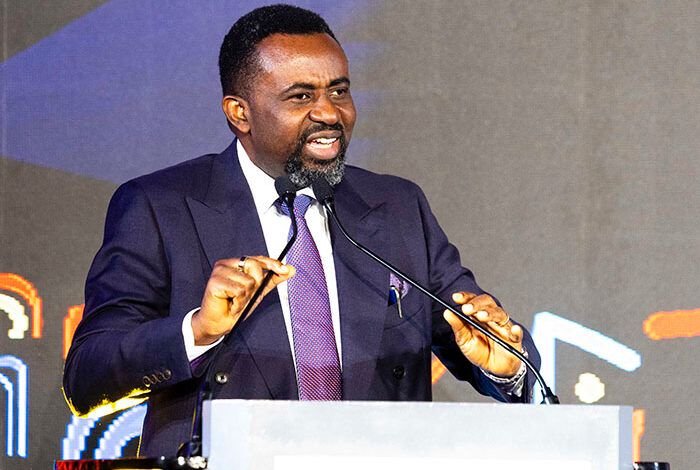
The MP highlighted that while parliamentary reports praise the Domestic Gold Purchase Programme for strengthening Ghana’s international standing and reducing reliance on foreign exchange, the central bank’s actions tell a contrasting story.
The central bank’s liquidation of 22.2 tonnes effectively erodes gains built through previous reserve-building efforts. Hon. Mahama stressed that praising reserve growth in one breath while liquidating accumulated bullion in another reveals an incoherent monetary strategy that compromises economic credibility.
Macroeconomic Fallout and Energy Sector Vulnerabilities
Liquidating 22.2 tonnes of gold reserves severely compromises Ghana’s strategic buffer against global macroeconomic volatility. Gold reserves act as the primary anchor for foreign exchange stability, directly insulating the local currency from external shocks.
When the Bank of Ghana disposes of major bullion holdings, it reduces the nation’s gross international reserves and import cover, making the Ghana Cedi vulnerable to sharp depreciation.

This currency exposure rapidly transmits to the energy sector through higher landing costs for refined petroleum products, ultimately triggering domestic pump price hikes and widespread inflationary pressures across the supply chain.
Furthermore, the sell-off casts a long shadow over the sustainability of state-backed resource trade mechanisms, notably the Gold-for-Oil initiative.
By liquidating physical bullion reserves rather than retaining them to back balance-of-payments operations, the central bank exposes fuel importers and bulk distribution companies (BDCs) to heightened foreign exchange liquidity constraints.
Policy Inconsistencies and Governance Implications
The decision to liquidate physical gold reserves reflects deeper structural challenges in fiscal and monetary coordination.
While the government aggressively promotes the Ghana Accelerated National Reserve Accumulation Policy to build multi-month import covers, selling off major holdings signals institutional anxiety or short-term liquidity distress to international credit rating agencies and investors.
Industry analysts note that “unilateral reserve liquidations without transparent Parliamentary oversight degrade investor confidence and elevate sovereign credit risks.”
Such actions reduce the central bank’s capacity to engage in effective open-market operations or absorb balance-of-payment deficits.
Moving forward, parliamentary oversight over central bank operations must be tightened to prevent policy mismatches that jeopardize long-term economic stability.

The Walewale MP’s critique serves as a timely reminder that domestic gold accumulation cannot function merely as a rhetoric tool; it demands disciplined retention and transparent management.
To rebuild trust and protect Ghana’s financial standing, the Bank of Ghana must align its operational reserve management with national fiscal goals, ensuring that strategic natural assets are preserved to guarantee energy security, defend the Cedi, and foster sustainable economic growth.
READ ALSO: Africa CDC and IOM Partner to Strengthen Africa’s Health Security