
The Ghana Education Service (GES) is spearheading a renewed national effort to confront indiscipline in schools by bringing together key stakeholders to develop evidence-based strategies aimed at restoring discipline, strengthening behavioural standards and creating safer learning environments across educational institutions.
The Director-General of the Ghana Education Service, Prof. Ernest K. Davis, is expected to join education stakeholders in a high-level engagement designed to critically examine the growing challenge of indiscipline in schools, interrogate existing evidence and formulate practical policy interventions that will promote lasting behavioural transformation within Ghana’s education system.
Stakeholders Unite to Address Rising Indiscipline
Recognising discipline as a cornerstone of quality education, the Ghana Education Service is convening stakeholders from across the education sector to deliberate on measures that will tackle misconduct in schools and reinforce values that support effective teaching and learning.
The engagement comes amid growing calls for coordinated interventions to address behavioural challenges in educational institutions while strengthening school governance and student accountability.
According to the GES, the gathering is intended to move beyond discussions by developing practical and implementable solutions capable of addressing the root causes of indiscipline.
“The policy resolve, strategic direction and decisive action required to confront indiscipline in our schools demand a concerted and collective response.”
Ghana Education Service
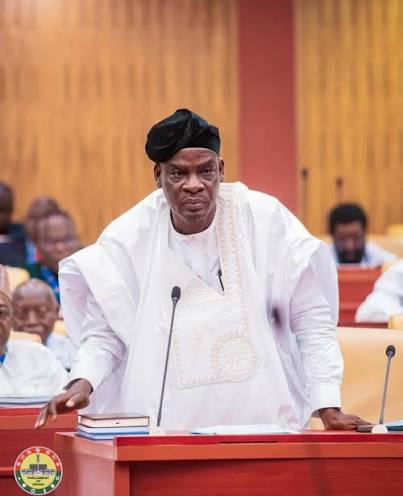
The Service believes lasting improvements in student behaviour can only be achieved through collaboration among policymakers, school administrators, teachers, parents and other stakeholders within the education ecosystem.
Evidence-Based Policies To Drive Reforms
Central to the engagement is the commitment to formulate policies grounded in empirical evidence rather than assumptions or isolated incidents.
The GES indicated that participants will carefully examine available data, assess prevailing behavioural trends and identify interventions that have the greatest potential to produce sustainable improvements across schools.
Rather than relying solely on punitive measures, stakeholders are expected to explore broader strategies that encourage positive behaviour while strengthening institutional support systems.
“Stakeholders will convene not merely to deliberate, but to formulate and operationalise evidence-based, actionable strategies that will re-establish and institutionalise a culture of discipline within our schools.”
Ghana Education Service
The approach reflects the Service’s determination to ensure that future disciplinary policies are informed by research, practical experience and measurable outcomes.

Director-General to Lead Policy Discussions
Prof. Ernest K. Davis will play a central role in the discussions, joining fellow education stakeholders to examine the challenges confronting schools and chart a new direction for discipline management.
The Director-General is expected to lead conversations that critically assess existing practices while encouraging participants to challenge long-held assumptions that may no longer serve the needs of Ghana’s evolving education system.
According to the GES, the forum will provide an opportunity for stakeholders to ask difficult but necessary questions regarding student behaviour, school management and institutional accountability.
The engagement is also expected to generate consensus on reforms capable of strengthening discipline across all levels of Ghana’s education system.
Focus on Sustainable Behavioural Transformation
Beyond addressing immediate disciplinary concerns, the initiative seeks to establish a long-term framework that promotes responsible behaviour among students while fostering positive school cultures.

The Ghana Education Service believes that sustainable discipline cannot be achieved through isolated interventions but requires consistent policies, stakeholder commitment and continuous monitoring.
The proposed framework is expected to support schools in creating environments that encourage respect, responsibility and accountability while enabling teachers to deliver quality education under conducive conditions.
By institutionalising discipline as a shared responsibility, the Service aims to build resilient educational institutions capable of nurturing academically successful and socially responsible learners
Collective Action Central to Education Reform
The planned engagement underscores the growing recognition that restoring discipline requires collaboration across the entire education ecosystem.
The GES maintains that policymakers, educators, parents, school leaders and other stakeholders all have critical roles to play in shaping student behaviour and strengthening the values that underpin quality education.
The outcome of the discussions is expected to inform future policy decisions and contribute to broader education reforms aimed at improving learning outcomes and safeguarding Ghana’s educational standards.

As the Ghana Education Service intensifies efforts to confront indiscipline, the stakeholder engagement is expected to lay the foundation for a coherent national policy framework that promotes discipline, strengthens school governance and supports sustainable behavioural transformation across educational institutions.
READ MORE: Global Health Aid Fell From $49.6bn to $39.1bn in a Year – President Mahama