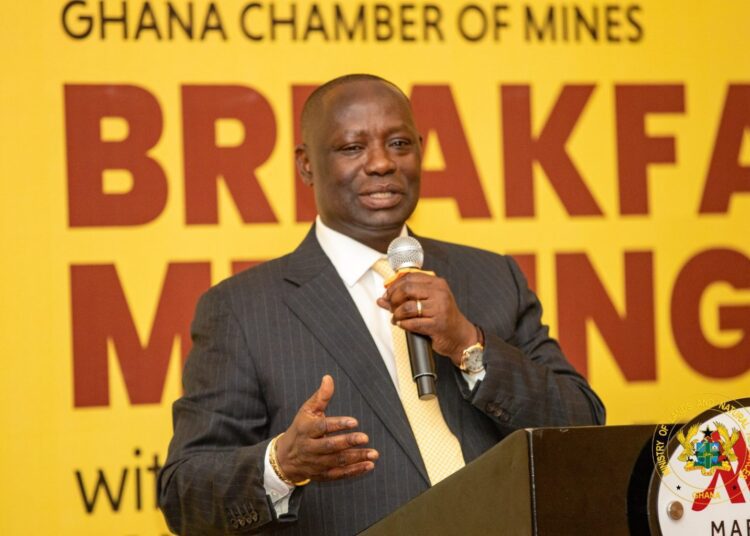
Hon. Emmanuel Armah Kofi Buah, Minister for Lands and Natural Resources, has declared Ghana’s decisive commitment to pivot from raw material exports to local mineral processing.
Delivering the official opening address at the prominent 28th China Mining Conference in Tianjin on behalf of President John Dramani Mahama and the people of Ghana, the Minister emphasized that the nation’s long-standing natural resource partnership with China must now evolve beyond the traditional, historical model of primary commodity extraction.
He stated that the fundamental question determining the nation’s economic trajectory is no longer centered on merely finding international buyers for crude resources, but rather on identifying what sustainable industries, infrastructure, and finished products can be collectively built from those minerals.
“Our proposition is practical: the resource owner must receive fair value, the investor must have a stable environment, and the partnership must leave lasting and shared prosperity.”
Hon. Emmanuel Armah Kofi Buah
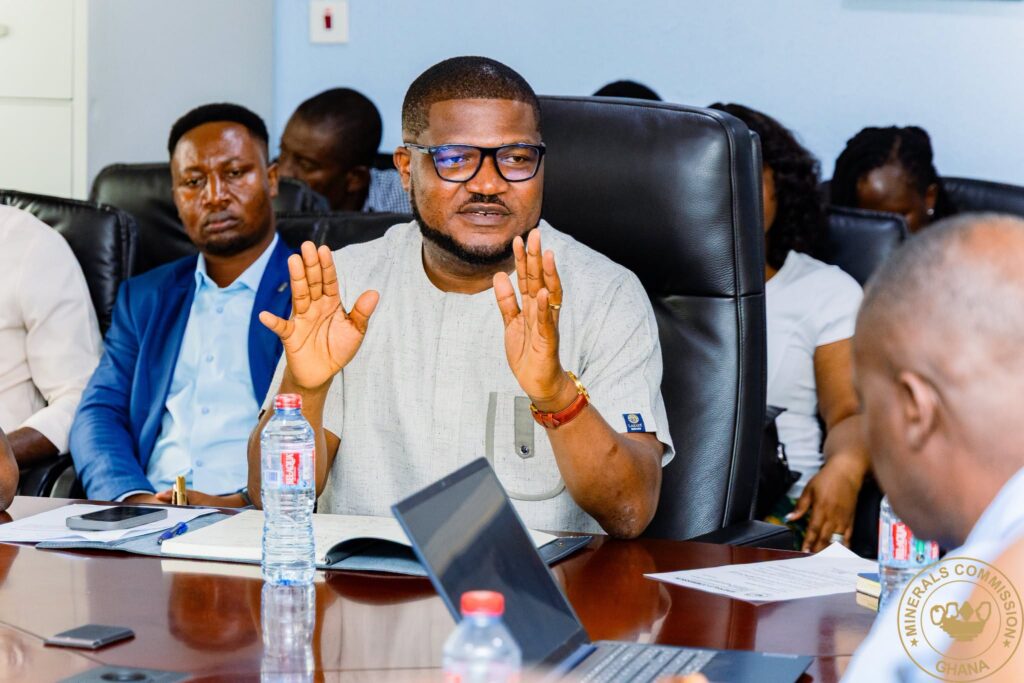
Expanding on this strategic shift, Hon. Buah outlined comprehensive government plans to systematically convert Ghana’s rich gold, bauxite, and critical mineral deposits into domestic processing plants, value-added manufacturing hubs, and sustainable industrial enterprises.
He explained that a modern, equitable mineral governance structure must be anchored on a practical tripartite principle: ensuring the sovereign resource owner receives fair value, offering international investors a stable and predictable regulatory environment, and guaranteeing that bilateral partnerships result in lasting and shared economic prosperity.
This deliberate policy transition directly addresses decades of structural vulnerability, where resource-rich African nations remained exposed to volatile global market price shocks while forfeiting secondary industrial manufacturing profits, technical skill acquisition, and workforce development by continually exporting raw, unrefined ores.
Strategic Imperative of Domestic Value Addition
Ghana’s long-term economic development has historically been constrained by an extractive model that exports raw natural resources at low prices while importing refined mineral goods at substantial premiums.
Transitioning directly into domestic mineral refining, smelting, and processing is a vital strategic imperative needed to capture higher financial returns along global value chains, cushion the local currency against exchange rate fluctuations, and accelerate structural transformation under the African Continental Free Trade Area (AfCFTA) framework.
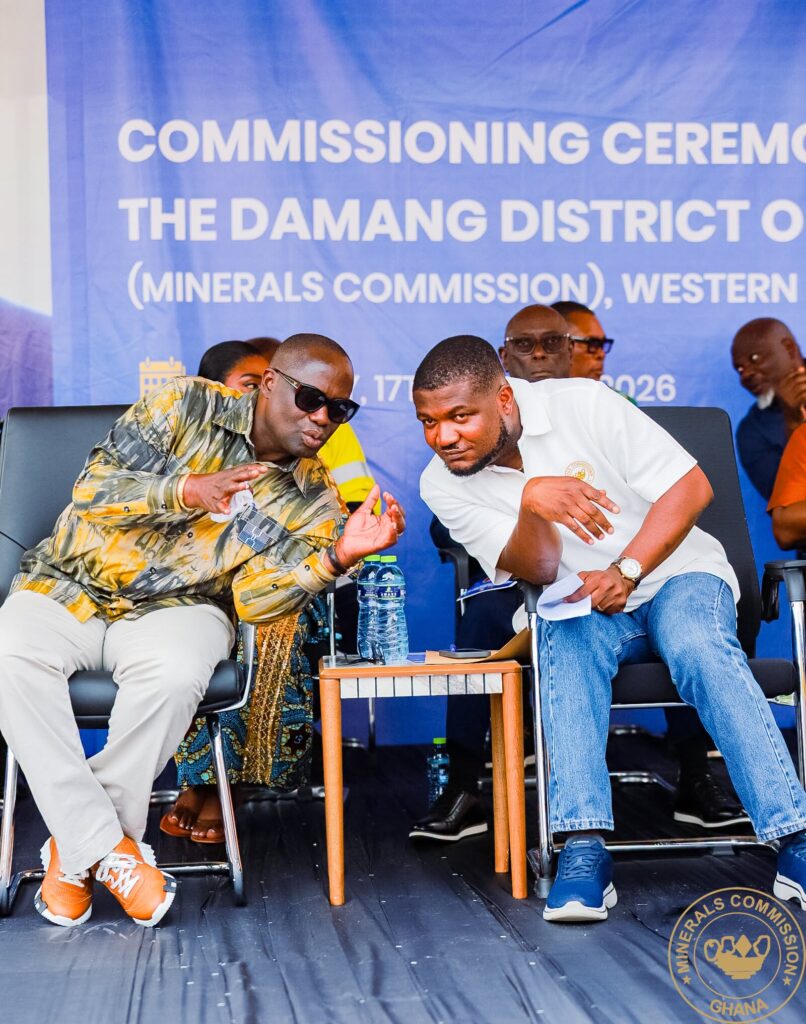
Addressing natural resource ministers, multilateral financial institutions, and global industry leaders in Tianjin, Hon. Buah observed that “the central question for our economic future is no longer just who will buy our resources, but what we can build together from them.”
By enforcing structured local content requirements, legal refining mandates, and midstream processing incentives across gold, bauxite, manganese, and lithium, Ghana aims to shield its macroeconomy from raw commodity price slumps while fostering resilient, vertically integrated domestic manufacturing industries.
Building Industrial Capacity and Youth Employment
Beyond macroeconomic stabilization and balance-of-payments support, the government’s value addition policy serves as an essential engine for domestic industrial growth, technological advancement, and youth employment.
Phasing out raw ore exports incentivizes the establishment of specialized downstream processing sub-sectors including local bauxite refineries, gold assaying and refining complexes, and lithium battery production facilities that generate thousands of high-skilled engineering, scientific, and managerial careers.
Hon. Buah highlighted that the country is “pivoting decisively toward domestic value addition, transforming our gold, bauxite, and critical minerals into local industries, jobs, and careers for young Ghanaians.“
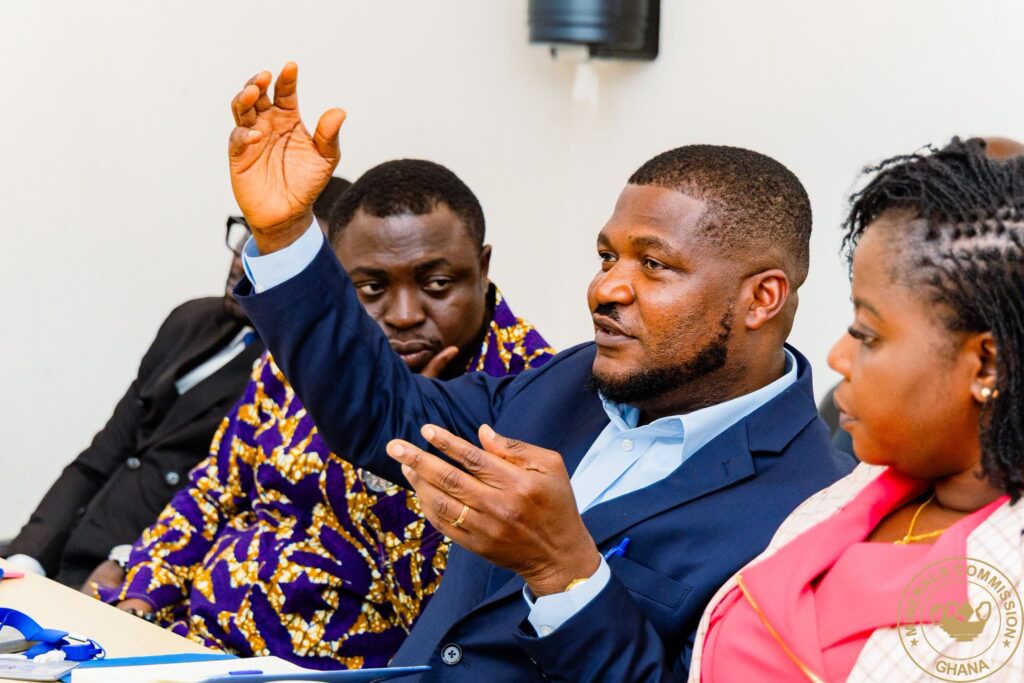
This targeted industrialization framework ensures that resource-hosting communities and the national workforce derive lasting, tangible benefits from mineral extraction rather than enduring environmental degradation and resource depletion without permanent enterprise development.
Fostering Equitable Bilateral Mining Partnerships
To successfully realize these ambitious industrialization targets, Ghana is recalibrating its international commercial engagements to promote mutual accountability, legal predictability, and long-term economic returns.
Addressing foreign delegation heads, trade ambassadors, and international commercial partners, Hon. Buah pointed out that “our decades-long partnership with China must now evolve beyond simply supplying raw materials.”
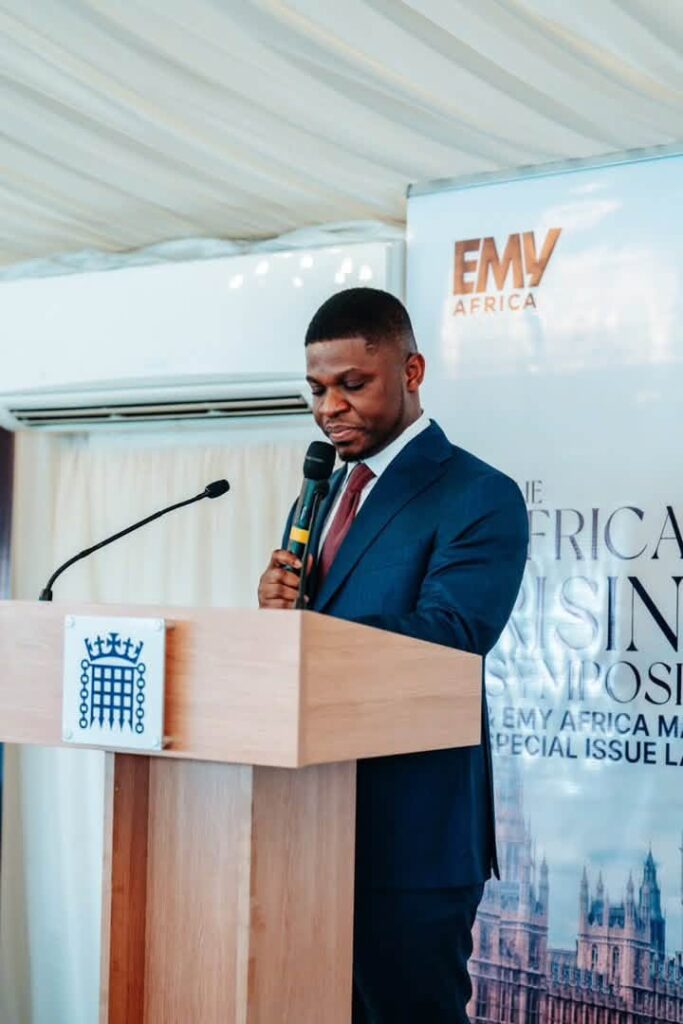
By establishing a highly transparent regulatory framework alongside strong institutional protections for private capital, Ghana offers foreign investors a secure environment for long-term investments in smelting, refining, and industrial manufacturing.
This pragmatic policy approach establishes a pioneering standard for African resource management, ensuring that sovereign natural endowments directly cultivate domestic industrial capacity, strengthen local enterprise ecosystems, and deliver enduring, shared prosperity for present and future generations of Ghanaians.
READ ALSO: Morocco Claim Upper Hand in Race to Host 2030 World Cup Final