Albert Senyo Amekudzi, External Relations and Sustainability Officer at the Ghana Chamber of Mines, has advocated for a pragmatic policy framework that bridges foreign capital with indigenous business development to create globally competitive Ghanaian mining multinationals.
Writing in an opinion piece on national resource governance, Mr. Amekudzi argued that long-term economic empowerment requires the state to foster an ecosystem where local firms accumulate capital, technical expertise, and sound governance rather than simply handing out mineral rights or sheltering underperforming local enterprises.
“Foreign investment and indigenous enterprise should not be treated as opposing armies,” Amekudzi stated. “Foreign capital can provide investment, expertise and technology. Ghanaian participation can deepen domestic value retention and build national capability.”
Albert Amekudzi
Strategic Synergy Between Capital and Capability
Ghana’s historical reliance on raw mineral exports has yielded significant revenue, yet true national wealth lies in the establishment of enduring corporate institutions.
Transnational mining conglomerates achieved global scale through decades of deliberate capital accumulation, strategic acquisitions, technical learning, and operational restructuring.
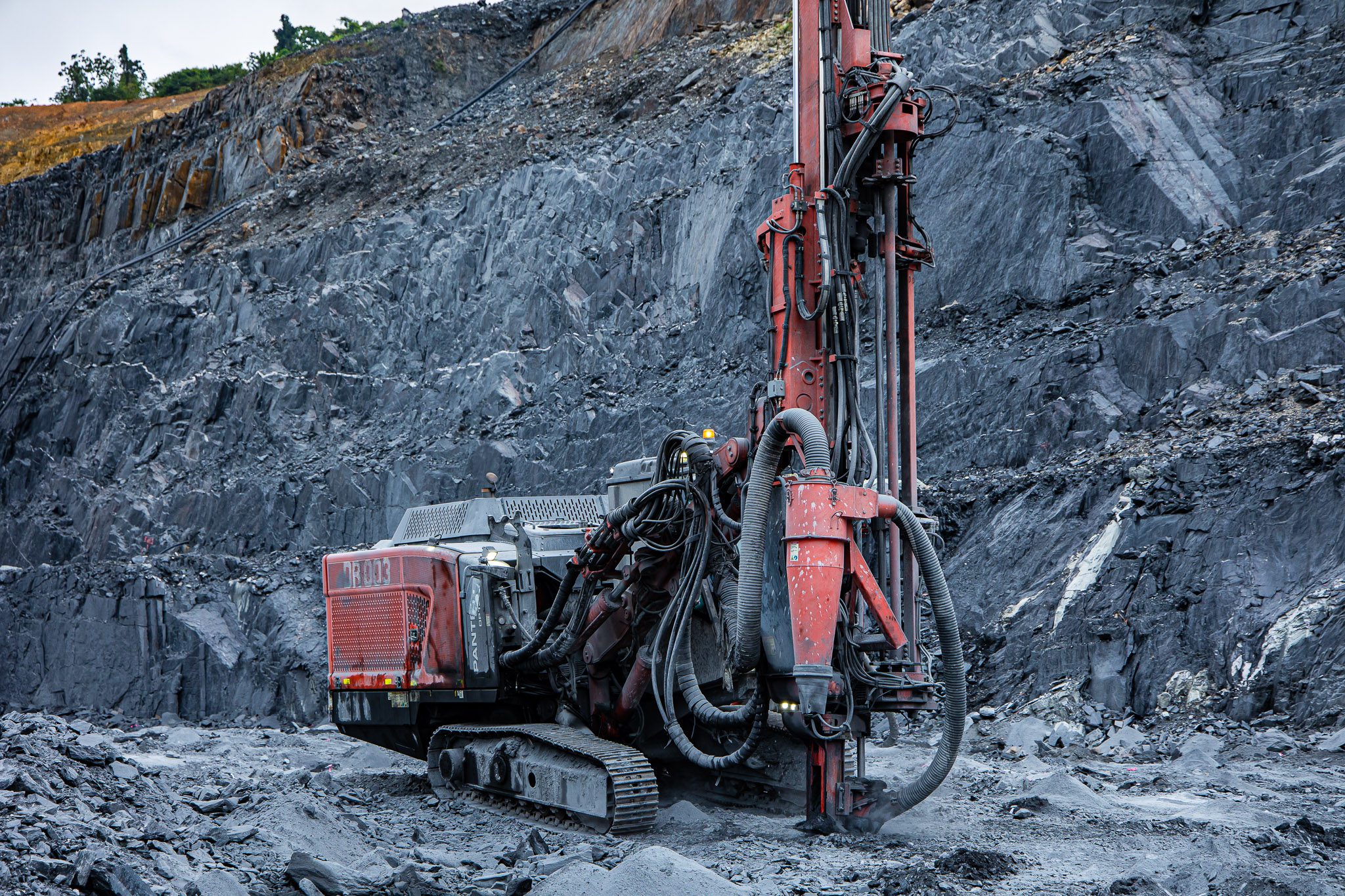
To replicate this trajectory, the Ghanaian government must cultivate an environment that nurtures local capacity while maintaining rigorous environmental, safety, and financial standards.
Interventions in assets such as the Adamus dispute, alongside operational transitions at the Damang Mine where local firm Engineers & Planners secured the mining lease and ongoing lease renewal discussions at Gold Fields Tarkwa, signal a critical juncture for domestic industrial policy.
Policy Consistency and Market Predictability
While foreign capital remains patient and adaptable to fixed fiscal regimes, unpredictable policy signals pose a distinct challenge to investor confidence.
Investors analyze individual state actions collectively to gauge sovereign risk; hence, enforcing regulations predictably while protecting legitimate investments is vital.
Indigenous participation should not be viewed as a zero-sum alternative to foreign direct investment.
Instead, foreign partners provide necessary liquidity, advanced extraction technologies, and operational systems, while Ghanaian enterprises ensure deep domestic value retention, local supply chain integration, and indigenous capacity development.
Building Enduring Institutions for the Next Century
Over a century of commercial gold extraction has demonstrated that geological reserves are finite, emphasizing the need for a structural transition from resource extraction to institutional building.
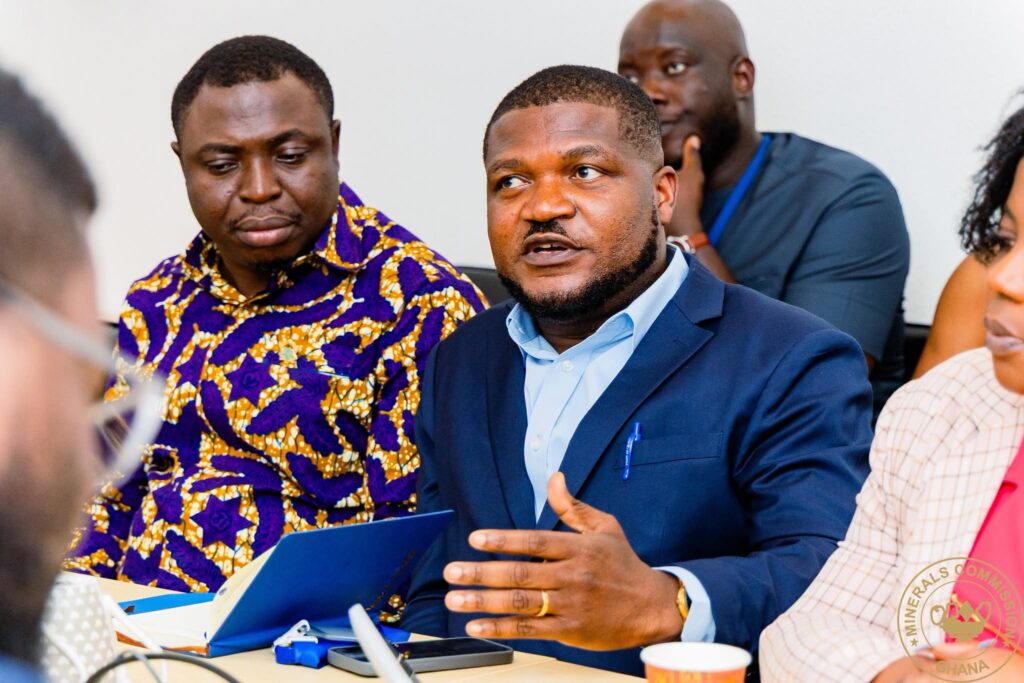
Recent state-led mediation efforts demonstrate how firm regulatory oversight can coexist with pragmatic support for local enterprise.
By establishing a balanced ecosystem, Ghana can shift its narrative from merely exporting raw bullion to exporting world-class mining companies and technical expertise across the continent.
Ultimately, the true measure of the nation’s mineral wealth will be determined not by the total volume of ounces extracted from the ground, but by the strength and longevity of the Ghanaian institutions built above it.
READ ALSO: Climate Disruptions Affected More Than 171 Million Students in 2025 – UNICEF