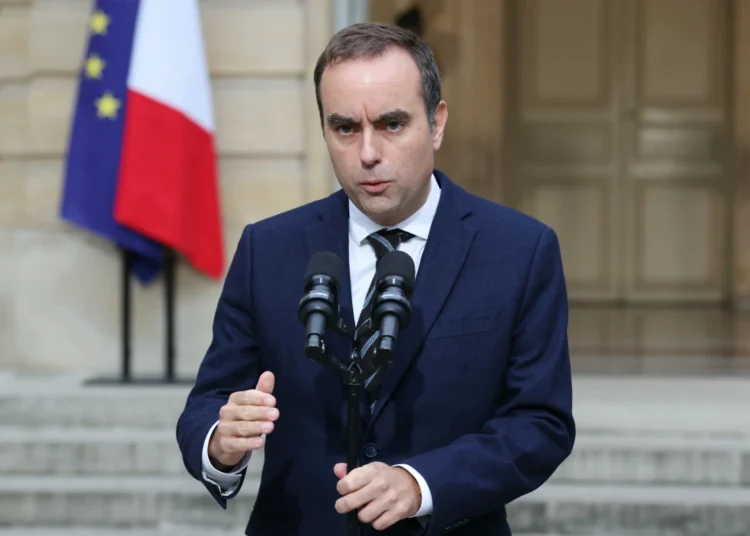
France is considering additional curfews in areas affected by violent demonstrations, as Prime Minister Sébastien Lecornu and local authorities intensify efforts to restore order following a weekend of riots, looting and arson.
In a post on X, Lecornu disclosed that local authorities would coordinate with Mayors to determine whether curfews were necessary in their respective prefectures. He said that new curfews will be imposed where necessary in parts of the country.
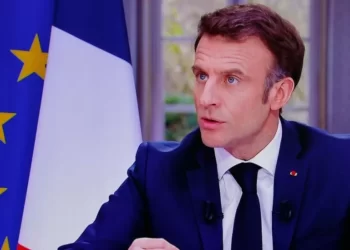
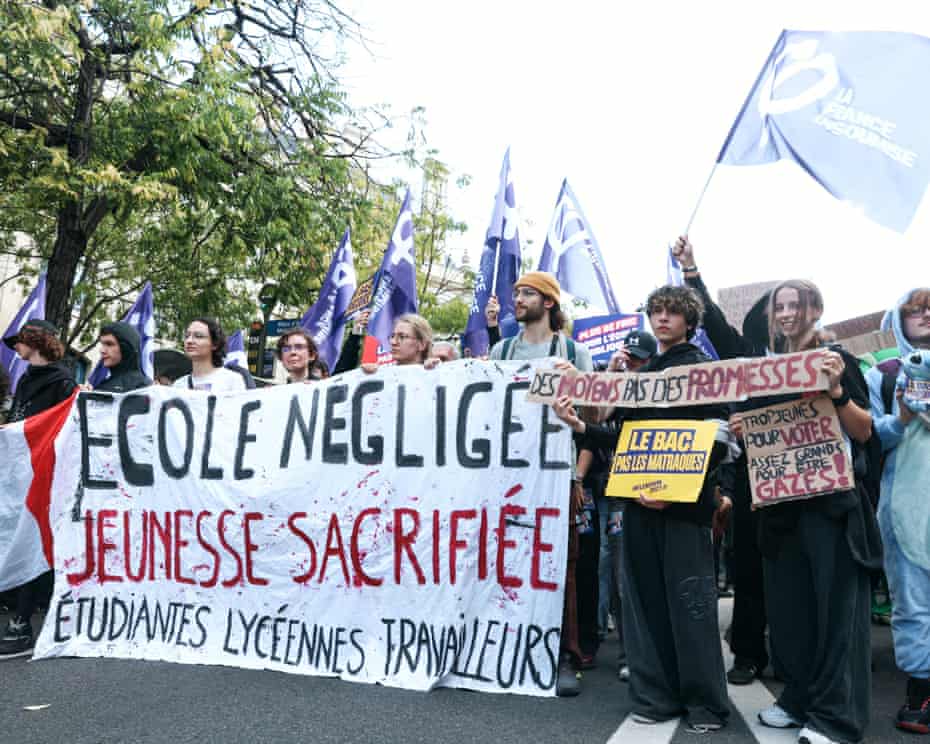
The announcement follows demonstrations over the cost of living and conditions in the education system that drew more than half a million people across France on Saturday before escalating into violence. It also comes after President Emmanuel Macron rejected the Interior Minister’s resignation.
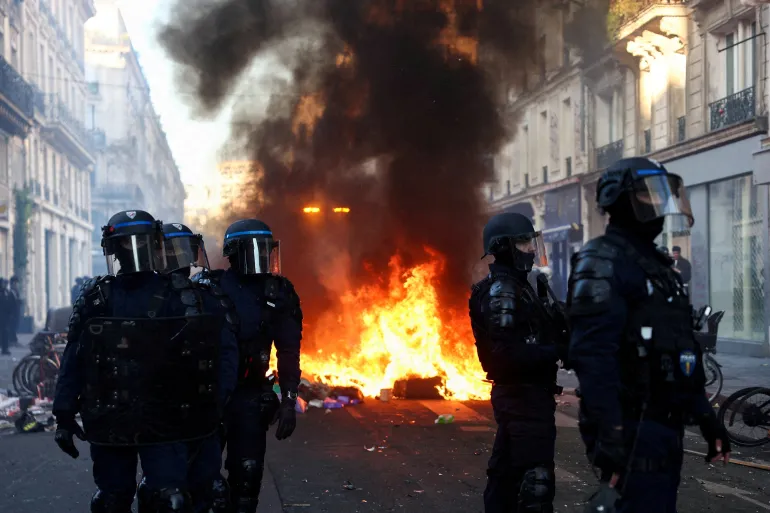
The unrest targeted city halls, other public buildings and thousands of businesses, with authorities arresting more than 2,500 people.
Paris police imposed an overnight curfew in two areas of the capital on Monday, while several cities in northern France introduced restrictions on minors to prevent further disorder.
The Paris police order prohibited people from entering or remaining in the Place de la République, where rioting occurred on Saturday, and the Les Halles shopping district, which had experienced looting.
The restrictions took effect at 11 p.m. on Monday and were scheduled to end at 6 a.m. on Tuesday. Authorities also banned gatherings and demonstrations from 8 p.m. on Monday.
In a statement, Paris police said that the measures were intended to protect “people and property from the violence and looting.”
The restrictions followed Lecornu’s call on Monday for curfews that would be “very limited” and “localized,” suggesting that the government intended to focus measures on areas where authorities considered them necessary.
In northern France, local authorities imposed curfews for people under 18 in several cities, including Lille, from 8 p.m. to 6 a.m. for three days beginning Monday. Nice, on the French Riviera, also introduced an overnight curfew for minors, starting at 9 p.m.
The measures followed demonstrations that brought together students demanding improvements in education conditions and people protesting the rising cost of living. The protests subsequently descended into looting and arson in numerous locations across the country.
Despite the scale of the weekend violence, police confirmed that Monday night passed without any major incidents across France.
Government Intensifies Efforts To Prevent Further Violence
The government is preparing a series of meetings as it seeks to prevent further disorder and respond to the concerns underlying the demonstrations.
Digital Minister Anne Le Hénanff is scheduled to meet social media executives on Tuesday to discuss the unrest and the online sale of goods allegedly looted during the weekend.
In a post on X on Monday, Le Hénanff said that looted goods were being offered for sale online and called on platforms to remove the listings.
The government’s response comes as demonstrators call for another round of protests on Saturday. France’s main trade unions, however, have not endorsed the call.
Union officials are scheduled to meet Lecornu on Wednesday, while the Prime Minister will hold discussions with political parties on Thursday to address the protests and their implications.
A Political Issue Ahead Of Next Year’s Election
The unrest has also become a political issue ahead of France’s presidential election, scheduled for April and May next year.
Marine Le Pen, leader of the far-right National Rally, currently leads the polls, followed by Jean-Luc Mélenchon, leader of La France Insoumise.

Speaking to reporters at the party’s Headquarters, Jordan Bardella, President of the far-right National Rally party, pointed to the government’s failure to prevent violence.
“The government has failed, the head of state has failed in his essential duty of protecting the French people. I call on the people of France now, beyond their right to protest, to use their voting power.”
Jordan Bardella
He is campaigning alongside far-right leader Marine Le Pen, whose polling numbers have suggested for months that she’s the front-runner in next spring’s presidential election.
President Emmanuel Macron cannot seek another term because of France’s two-term limit.
Both Le Pen and Mélenchon have faced accusations of exploiting the demonstrations ahead of the election, as political parties position themselves amid public dissatisfaction over living costs and education conditions.
The government faces the challenge of maintaining public order while addressing the issues that prompted the protests. With further demonstrations being discussed and political tensions building ahead of the election, the coming days will test whether targeted restrictions and negotiations can prevent another outbreak of violence.