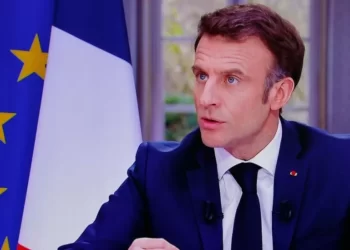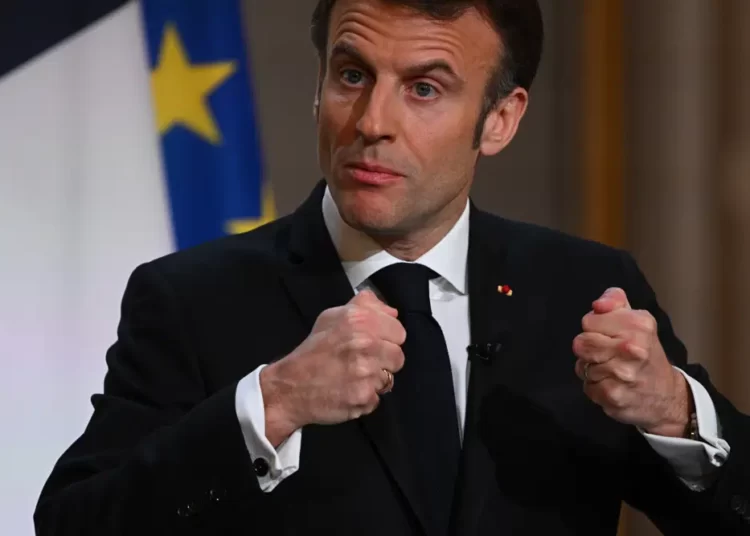
French President Emmanuel Macron has rejected the resignation of Interior Minister Laurent Nuñez following violent demonstrations across the country, while ordering a review of intelligence and security failures that contributed to the unrest.
The Élysée Palace confirmed early today that Nuñez had submitted his resignation but Macron declined to accept it, citing the need for continued leadership of law enforcement as the government responds to the crisis.
“The Interior Minister submitted his resignation to the president on Sunday. Given the necessity for continued leadership of law enforcement at this time, the President refused.”
The Élysée Palace
Macron directed Nuñez to ensure transparency over failures in planning and intelligence that preceded the violence and to introduce new operational methods for security forces.
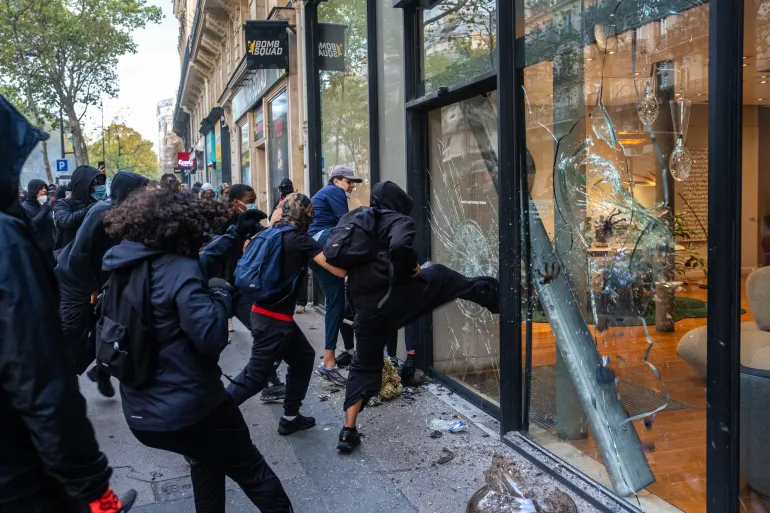
The decision followed nationwide demonstrations on Saturday over rising living costs and poor conditions in schools, which escalated into riots, looting and attacks on public property. France’s Interior Ministry said that nearly 2,400 people were arrested, while about 1,000 police officers and gendarmes were injured.
The unrest prompted calls from politicians on both the left and right for Nuñez to resign, with critics arguing that authorities had been caught by surprise by the scale of the violence.
Macron Condemns Violence, Promises Government Action
In a televised address to the nation on Sunday, Macron expressed “anger and shame” over what he described as violent protesters’ attempts “to bring down the republic.” He vowed that those involved in rioting and looting would “pay for their crimes.”
The President said that a distinction must be made between demonstrators with “legitimate demands” over the cost of living and the education system, and individuals who engaged in destruction and theft.
Macron insisted that “nothing justifies” violence and said that local state officials could prohibit certain street gatherings if they considered such measures necessary.
He also criticised what he called “factious groups from the ultra-left, joined by numerous delinquents,” whom he blamed for exploiting the demonstrations to cause destruction. “Yesterday, our law enforcement officers and officials, despite their professionalism, were subjected to unprecedented violence in several cities,” Macron said.
He announced plans to establish a “crisis unit” to coordinate “urgent aid … for those who are going through difficult moments,” while promising that the government would draw lessons from the unrest.
“I’ve asked the government to provide all the lessons learned and to be able to anticipate it to make sure that this does not happen again. We need unity, we need calm and respect.”
Emmanuel Macron
His address, however, failed to quell criticism from political opponents. Left-wing presidential candidate Jean-Luc Mélenchon said that the government was “solely responsible” for the destruction, accusing it of having “failed to organise the maintenance of public order.”
Far-right presidential hopeful Jordan Bardella described Macron’s speech as “lamentable” and “cowardly.” He argued that the government had nothing left to offer the French people and “cannot even protect them.”
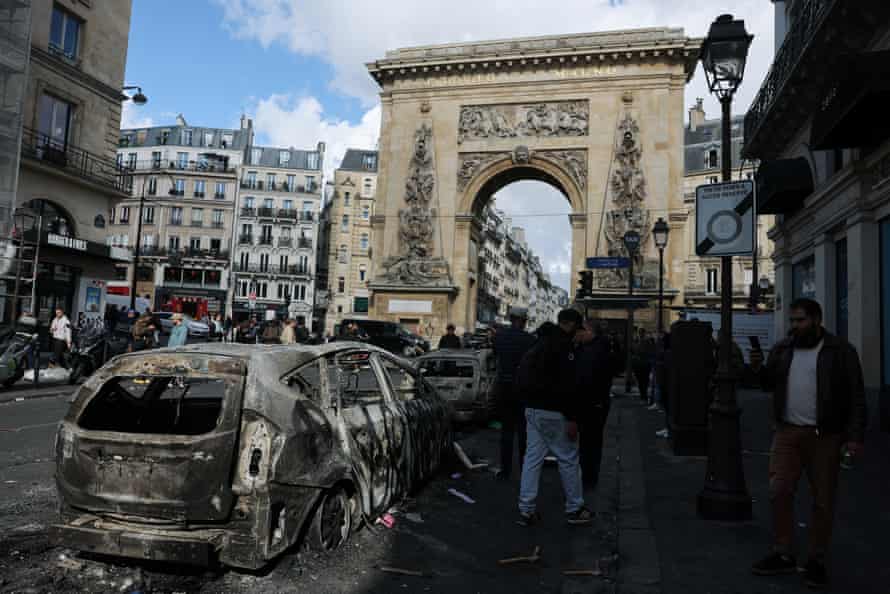
The violence saw public buildings attacked and set alight, bus stops damaged, roads barricaded and shops broken into and looted. The scale of the unrest intensified scrutiny of the government’s preparations and the security response.
Iran’s Araghchi Links French Unrest To Macron’s Iran Stance
Iranian Foreign Minister, Abbas Araghchi also criticised Macron over his response to the unrest, suggesting that the protests represented “the future of France” and accusing the French President of supporting actions against Iranians.
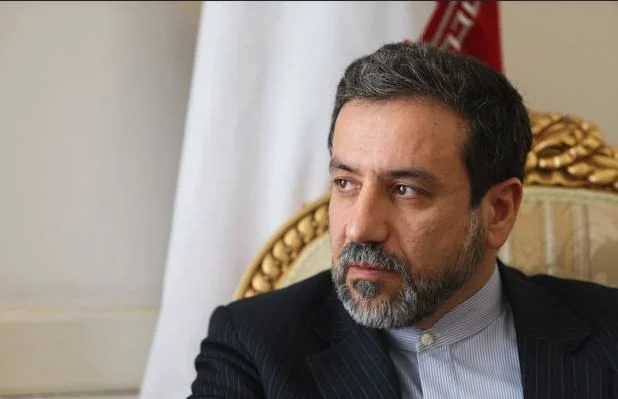
In a post on X, Araghchi shared a clip from Macron’s speech following the weekend’s violence. He also posted an image of a message Macron sent to US President Donald Trump in January, in which the French leader wrote, “we can do great things on Iran.”
“Mr. Macron made his bed when he assured POTUS that he welcomes atrocities against Iranians.
“Too late to blame the war his ilk helped cause. The French people demand wholesale change, including freedom of assembly. Listen to the future of France, Mr. President.”
Abbas Araghchi
Araghchi’s comments linked the French President’s response to the demonstrations with his alleged position on the conflict involving Iran, adding an international dimension to the criticism facing Macron.
While the Iranian Foreign Minister emphasised the protesters’ demands for change and freedom of assembly, Macron has maintained that peaceful demonstrations must be distinguished from violence and criminal acts.
The French government now faces pressure to explain the security failures that preceded Saturday’s unrest, restore public order and address demonstrators’ concerns over living costs and public services.
READ ALSO: US Embassies Issue Security Alerts Across 12 Middle Eastern Countries