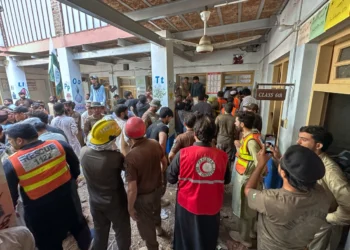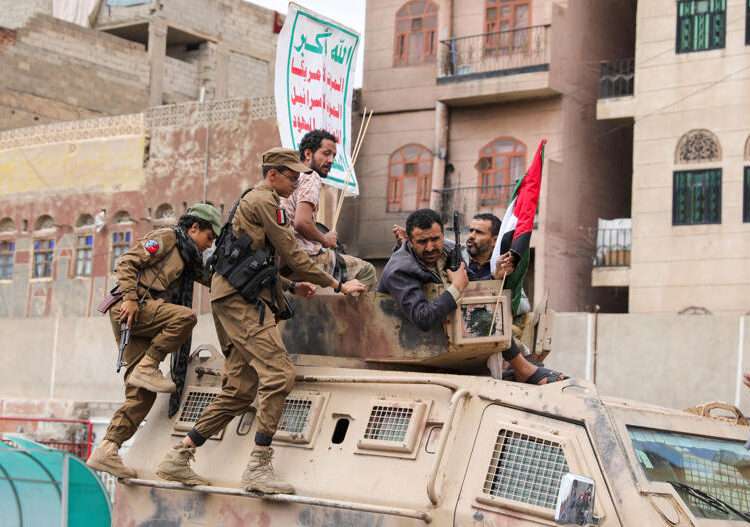
Several US embassies across the Middle East have issued identical security alerts warning American citizens of potential threats from Iran and Iran-backed Houthi fighters in Yemen, as fighting intensifies on multiple fronts and regional tensions persist.
The advisories cautioned that Iran and groups aligned with Tehran could target American interests overseas, including US businesses and institutions associated with the country and its citizens.
“Iran and groups supportive of Iran may target other U.S. interests overseas or at locations associated with the United States and Americans throughout the world, including U.S. businesses and other institutions.”
US advisory
It also urged Americans to prepare for possible flight cancellations, airspace closures and travel disruptions, while exercising heightened vigilance amid what it described as a complex security environment.
The warning referenced ongoing Houthi attacks against Saudi Arabia, cautioning that the conflict could “escalate rapidly beyond that immediate area.” It covered 12 countries, including the Gulf Arab states, Jordan, Iraq, Syria, Lebanon, Israel, Yemen and Iran.
The alerts came as Houthi forces reported shooting down two drones near Riyadh and in Saudi Arabia’s Eastern Province early on Sunday. Meanwhile, Saudi-backed Yemeni government forces continued offensives against the Houthis across several areas of the country.
The Yemeni military said the Houthis fired missiles towards the central city of Marib on Sunday, while government forces reported advances in Taiz province, further south.
Government-aligned commanders said eight soldiers were killed in fighting in Lahij province on Saturday. Government forces also claimed to have killed 12 Houthi fighters in southern Taiz, although the figures could not be independently confirmed.
The latest fighting follows Houthi advances along Yemen’s Red Sea coast last month. Government forces subsequently launched a counteroffensive aimed at recapturing territory held by the group, which seized the capital, Sanaa, in 2014.
Yemen Humanitarian Crisis Deepens
The renewed clashes have added to a prolonged humanitarian emergency. According to the International Organization for Migration, more than 233,000 people have been displaced by the fighting.
Approximately 121,000 displaced people are in Taiz province, where the conflict has disrupted supply routes and restricted access to essential goods. A local office monitoring the siege said food prices had increased fivefold.
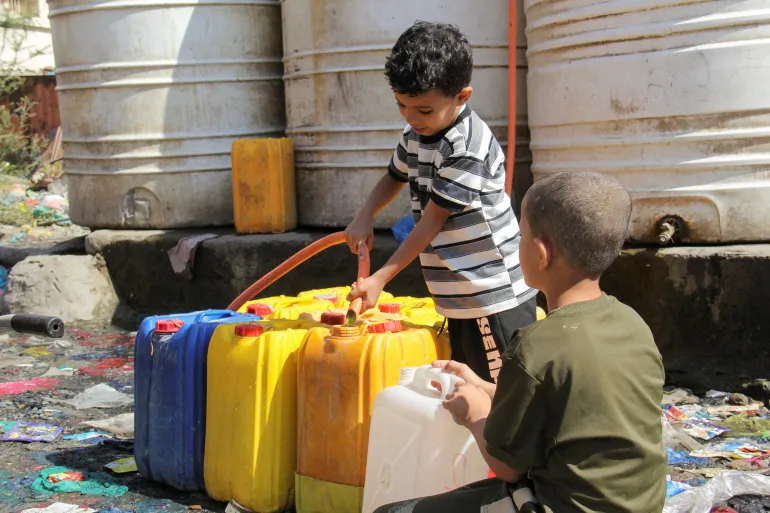
Healthcare services are also under severe pressure. The World Health Organization warned that Taiz’s 12 hospitals had fuel supplies sufficient for only four more days and had run out of surgical supplies.
Oxygen and medicines were critically scarce as the city continued to grapple with a cholera outbreak, raising concerns about the ability of health facilities to treat patients if supplies and fuel run out.
The deteriorating conditions underscore the impact of renewed fighting on civilians, particularly those displaced from their homes and communities facing disruptions to food supplies and medical care.
GCC Condemns Repeated Houthi Attacks
Regional concern over the conflict was also reflected in a statement by the Gulf Cooperation Council (GCC), which condemned repeated attacks by Yemen’s Iran-aligned Houthi fighters against Saudi Arabia and pledged support for the kingdom.
The political and economic bloc, comprising Saudi Arabia, Bahrain, Kuwait, Oman, Qatar and the United Arab Emirates, issued the statement shortly after a meeting of its Foreign Ministers in Manama, Bahrain.
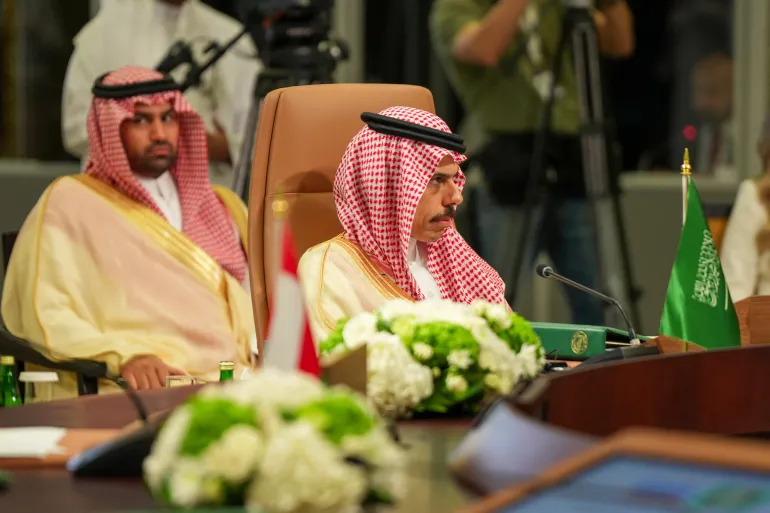
The GCC said an attack on any member state affected all six countries, invoking their joint defence agreement and affirming Saudi Arabia’s right to protect itself.
The statement signalled regional solidarity with Riyadh as Houthi attacks and the wider confrontation involving Iran continue to raise security concerns across the Middle East.
US Senator Supports Trump Approach To Iran War
In Washington, US Senator Dave McCormick praised President Donald Trump’s approach to the war on Iran, defending the administration’s decision to confront Tehran. “The Iranian regime has the blood of Americans on its hands, and there is no doubt that it was racing to a nuclear bomb,” the Pennsylvania Republican wrote on X. He added that the US President “made the difficult and courageous decision to confront that threat.”
McCormick said that Iran’s leaders now faced a choice between abandoning their nuclear ambitions and continuing to face economic and military pressure.
The Senator’s remarks came as US diplomatic missions warned citizens about potential threats to American interests and the possibility of further travel disruptions across the region.
With fighting continuing in Yemen, attacks reported near Saudi Arabia and hospitals in Taiz facing critical shortages, the situation remains a source of concern for regional governments and international organisations responding to the humanitarian consequences.
READ ALSO: Zelenskyy Seeks US Action After Russian Strikes On Energy Infrastructure