Government has allocated GH¢17.6 billion to local governance, chieftaincy and religious affairs in the 2027 Budget, with major investments targeting district development, market infrastructure, rural housing and improved waste management.
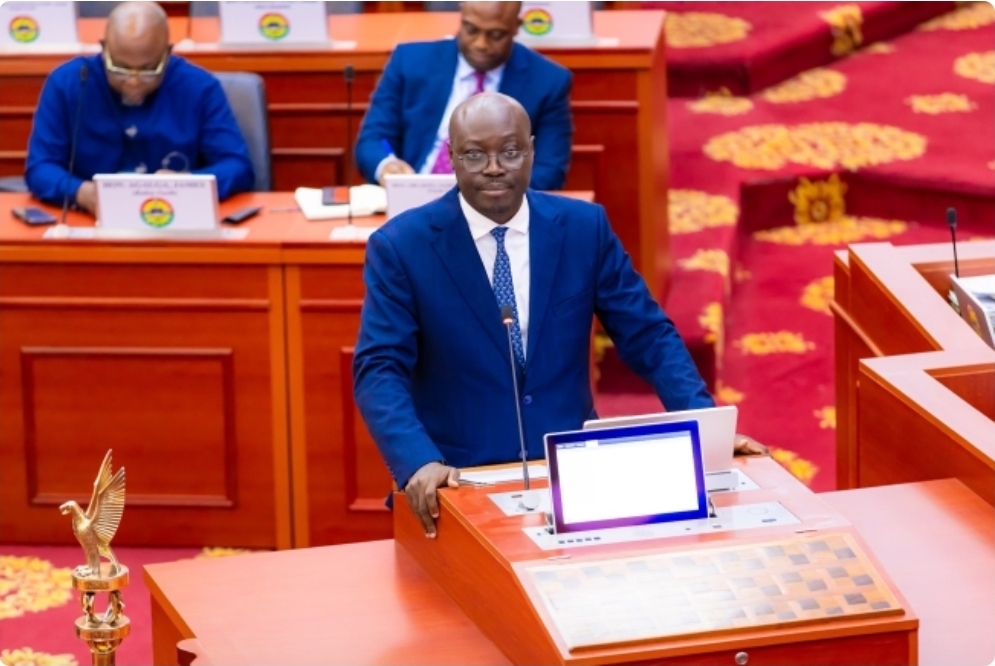
The allocation, announced by Finance Minister Dr Cassiel Ato Forson during the presentation of the 2027 Budget Statement and Economic Policy to Parliament on November 12, 2026, is expected to strengthen local administration and improve essential services across communities.
A significant portion of the funding will support the District Assemblies Common Fund (DACF), while other provisions target the completion of major market projects in Accra, Kumasi and Takoradi.
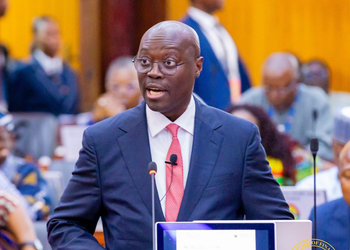
Presenting the government’s spending priorities, Dr Forson declared:
“We have allocated GH¢17.6 billion to local governance, chieftaincy and religious affairs to support local administration and community services.”
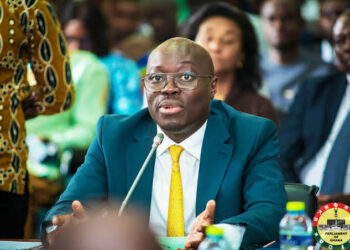
Finance Minister, Hon. Dr. Cassiel Ato Forson.
The budget also outlines a substantial sanitation programme, with funding for recycling and composting facilities, engineered landfill sites and waste transfer stations intended to improve the country’s waste collection and disposal systems.
GH¢10.8 Billion for District Development as Market Projects Receive Major Funding
The District Assemblies Common Fund will receive GH¢10.8 billion to finance development initiatives across Ghana’s districts and communities. The allocation places considerable emphasis on decentralised development, giving local authorities resources to address infrastructure and service delivery needs within their respective jurisdictions.
Beyond district development, government has earmarked GH¢685 million for the construction of a modern Greater Accra Regional Market at New Agbogbloshie.The project is expected to provide improved trading facilities and strengthen commercial activities in the capital.
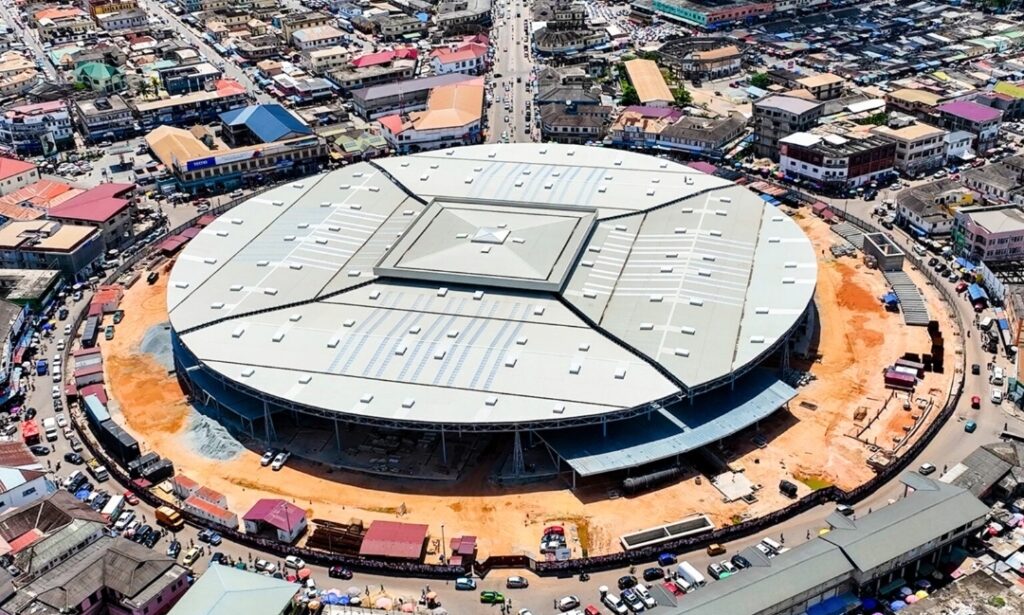
However, its implementation follows earlier consultations with traders and traditional authorities after the Accra Metropolitan Assembly announced a temporary hold on the proposed redevelopment in September 2026 to review the project and address stakeholder concerns.
Another GH¢685 million has been allocated towards completing Phase Two of the Kejetia Market project in Kumasi, while GH¢200 million will support the completion of the Takoradi Market project. The three market projects will collectively receive GH¢1.57 billion, reflecting government’s intention to improve trading infrastructure and support businesses operating within major commercial centres.
The Kejetia allocation comes after prolonged delays affected the second phase of the Kumasi Central Market redevelopment. In October 2026, the Local Government Minister, Mahama Ayariga, announced that contractors were expected to resume work following negotiations with the project contractor.
GH¢500 Million Earmarked for Rural Housing
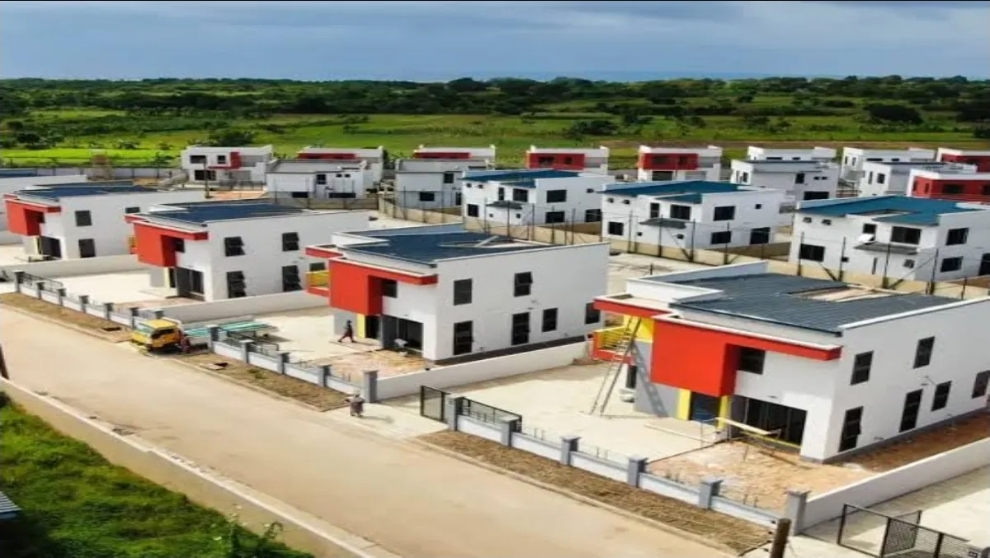
Housing development also features in the government’s local governance spending priorities, with GH¢500 million allocated for the construction of rural housing.The intervention is expected to support accommodation development outside major urban centres, where access to decent housing remains an important development concern.
The allocation forms part of broader efforts to improve living conditions and address infrastructure inequalities between urban and rural communities. Additionally, GH¢272 million has been earmarked for renovating Regional Coordinating Councils and their official residences.
The investment is intended to improve the working environment of regional administrators and strengthen the institutional infrastructure required to coordinate government activities across the regions. Government has also allocated GH¢150 million for allowances to Assembly Members, recognising their role in representing communities and supporting local governance.
GH¢700 Million Targeted at Recycling and Improved Waste Disposal
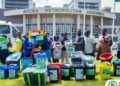
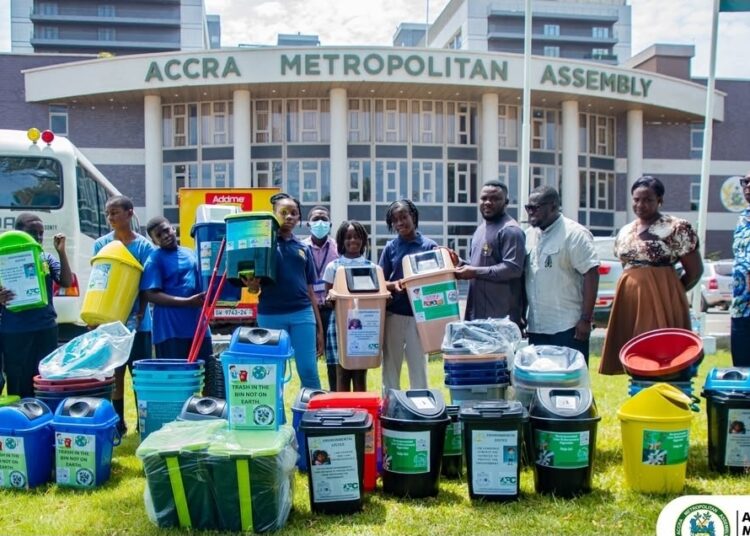
Environmental sanitation receives considerable attention in the 2027 Budget, with GH¢700 million allocated to interventions aimed at improving waste management. Of this amount, GH¢400 million will support integrated recycling and composting plants designed to convert refuse into reusable materials.
The initiative is expected to promote waste recovery, reduce the volume of refuse sent to disposal sites and encourage more sustainable approaches to environmental management.
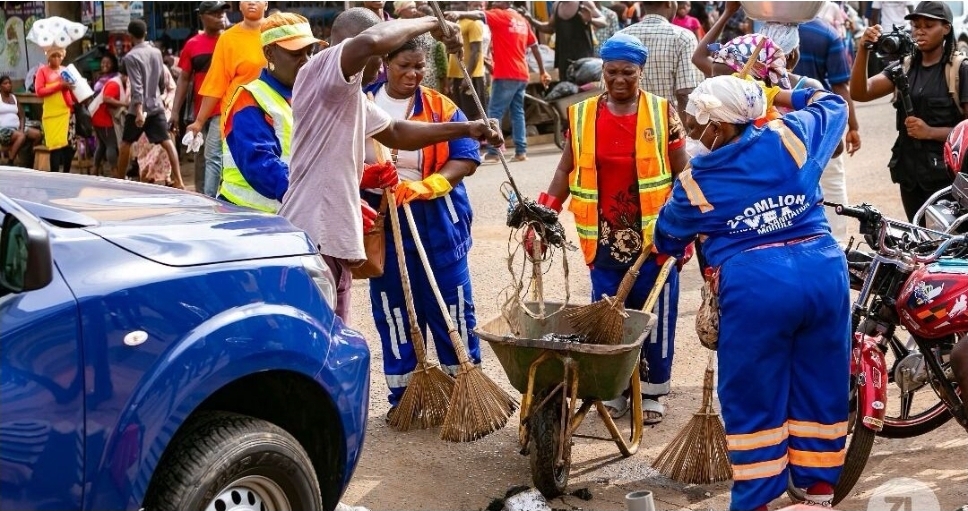
Another GH¢200 million has been allocated for the construction of 10 engineered landfill sites to improve waste disposal, while GH¢100 million will finance the establishment of 25 waste transfer stations.T
he transfer stations are expected to strengthen waste collection logistics by providing designated facilities where refuse can be temporarily consolidated before transportation to final disposal or treatment sites. These investments come amid persistent sanitation challenges in Ghana, including inadequate waste collection infrastructure, indiscriminate dumping and pressure on existing disposal facilities.
Government Faces Implementation Test Across Districts
The GH¢17.6 billion allocation places local governance and community infrastructure among the significant spending priorities of the 2027 fiscal year.By combining funding for district assemblies with investments in markets, housing and sanitation, the government is seeking to address development needs that directly affect households, traders and local businesses.
However, the success of these commitments will depend on effective coordination between central government, metropolitan, municipal and district assemblies, as well as timely project execution.
For communities, the real measure of the investment will be visible improvements in market facilities, cleaner neighbourhoods, better housing opportunities and more efficient local administration.
The challenge, therefore, extends beyond allocating public funds to ensuring that the promised infrastructure and services reach the communities they are intended to serve.
READ ALSO: Ghana’s Primary Surplus Hits 1.4% as Spending Tightens