Ghana’s proposal to construct a fully state-owned 600-megawatt (MW) solar power plant supported by 2,000 megawatt-hours (MWh) of battery storage marks a significant expansion of the government’s renewable energy ambitions, but the project’s importance goes beyond adding solar capacity to the national grid.
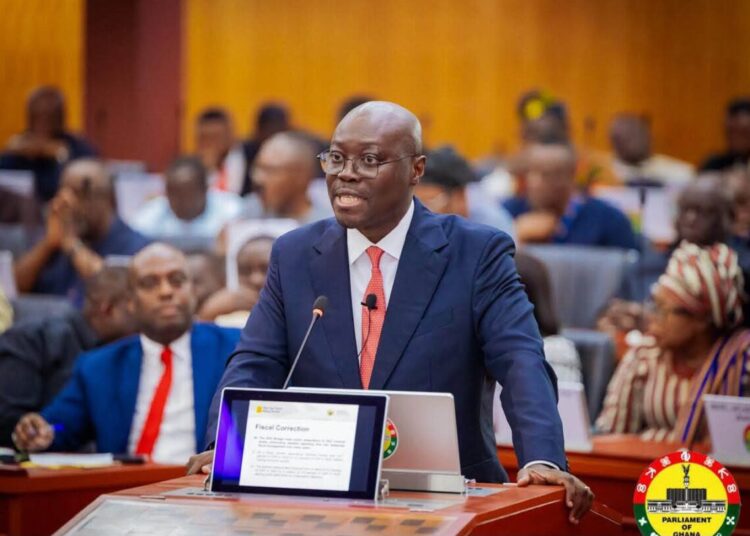
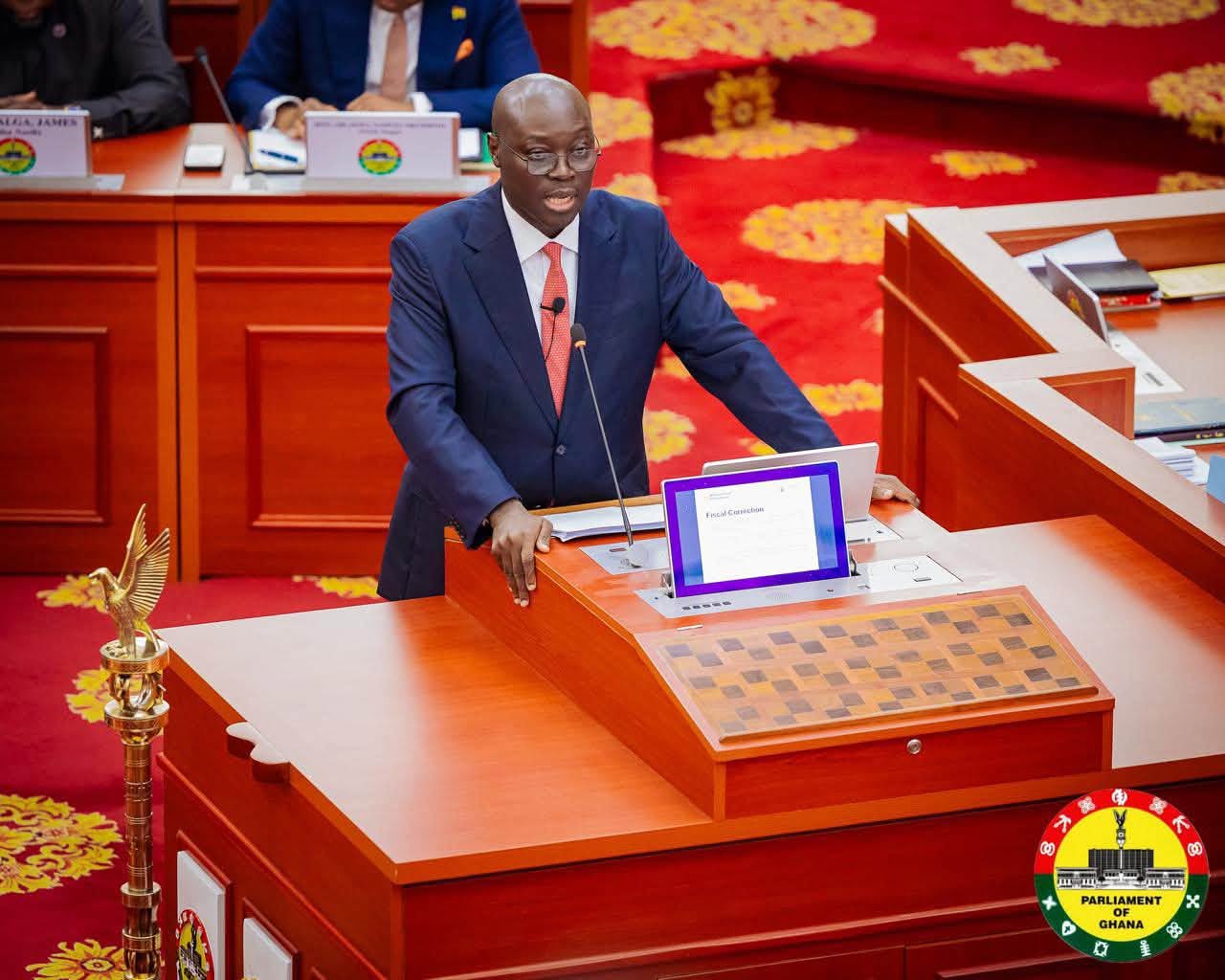
Under Pillar Three of the New Economy Programme, presented by Finance Minister Dr Cassiel Ato Forson in the 2027 Budget, the solar facility is expected to work alongside a proposed 1,450MW thermal power plant to provide electricity for households and industries and help the country phase out emergency power plants by December 2030.
The battery system is expected to store electricity generated during the day and release it during periods of peak demand.
This could help address one of the central challenges associated with large-scale solar generation: the difference between when electricity is produced and when consumers need it most.
The proposal is particularly significant for Ghana because renewable energy, excluding large hydropower, remains a small part of the country’s electricity generation mix despite the country’s solar potential.
A Small Renewable Share Against Growing Demand
The Energy Commission’s 2026 National Energy Statistical Bulletin records total electricity generation of 27,945 gigawatt-hours (GWh) in 2025. Thermal generation accounted for 18,996GWh, representing 68 per cent of the total, while hydro contributed 8,752GWh, or 31 per cent. Other renewables generated 197GWh, equivalent to just 0.71 per cent.
The figures reveal the scale of the challenge facing Ghana’s energy transition. While the country has made progress in developing solar installations, renewable electricity generation outside large hydropower remains marginal compared with thermal and hydro sources.
A 600MW solar facility would therefore represent a major addition to the country’s utility-scale renewable generation portfolio.
Its contribution, however, will depend on the actual capacity factor, plant availability, grid connection arrangements and the ability to dispatch stored electricity when required.
The battery component is particularly important. The Finance Minister explained that:
“The 2,000 megawatt-hours of battery storage will shift daytime solar power into peak periods and support grid stability.”
This is a crucial distinction between the solar plant’s generating capacity and the battery’s storage capacity. The 600MW figure describes the plant’s power output rating, while 2,000MWh describes the amount of energy the storage system can hold.
The battery’s ability to supply electricity over a particular period will depend on its discharge rate and operating configuration.
Storage Could Improve Solar’s Contribution
Solar generation is variable. Output changes with sunlight, weather conditions and the time of day, while electricity demand does not necessarily follow the same pattern.
Without sufficient storage or other flexible generation, excess solar power produced during periods of strong sunshine may not be available when demand rises later in the evening.
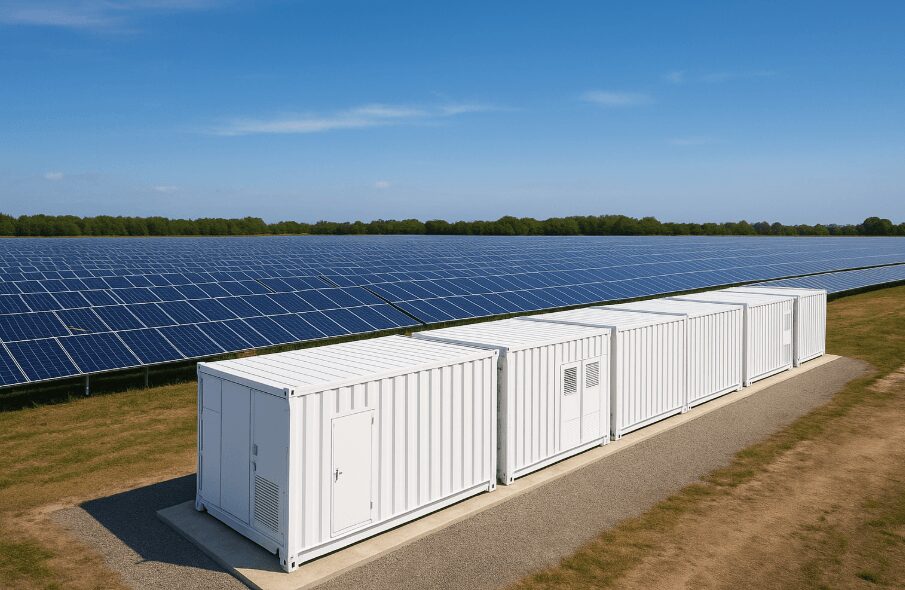
Battery storage can help bridge that gap by absorbing surplus electricity and releasing it when the system needs additional supply. It can also provide services that support grid stability, including frequency response and short-term balancing, depending on the technology and system design.
For Ghana, the proposed storage capacity could help solar generation contribute more meaningfully to peak demand rather than being treated only as a daytime supplement.
However, the budget does not yet provide the battery technology, duration, procurement model, expected operating life, replacement strategy or projected cost of storage. These details are necessary to determine whether the system will deliver value over its lifetime.
Battery systems also require careful planning around degradation, thermal management, safety, recycling and replacement.
A storage facility that is not properly maintained or whose capacity deteriorates faster than anticipated could reduce the expected benefits of the solar project.
Grid Capacity Will Determine The Real Value
The solar proposal also raises questions about the readiness of Ghana’s transmission system to accommodate additional renewable generation.
The Energy Commission recorded a system peak load of 4,283MW in 2025, compared with 3,952MW in 2024. At the same time, transmission losses fluctuated between 3.7 and 4.5 per cent during the year, according to the Commission’s 2026 Energy Outlook.
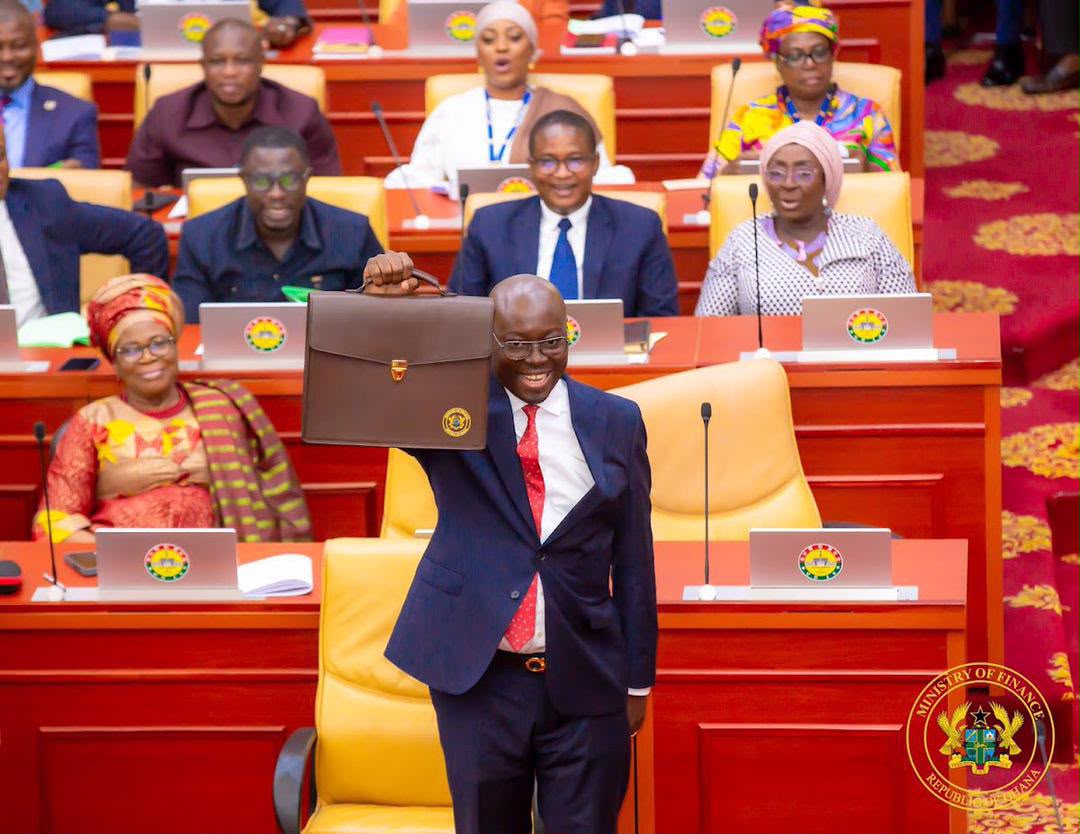
The proposed solar facility will need a reliable connection to the national grid and sufficient transmission capacity to move electricity from its location to major demand centres.
If grid infrastructure is inadequate, generation could be constrained even when the plant is technically capable of producing power.
This is why the government’s separate commitment to invest US$500 million in transmission modernisation between 2027 and 2030 is directly connected to the success of the solar project.
The two investments should be planned as parts of one electricity system rather than as independent announcements.
The government must also clarify how the solar plant will be dispatched alongside hydro and thermal facilities.
A higher share of solar generation could reduce the need to operate some thermal units during daylight hours, but the system will still require dependable capacity when solar output declines.
State Ownership And The Cost Question
The decision to make the solar plant fully state-owned raises the question of how the government intends to finance and operate the project.
Public ownership could allow the state to retain the economic returns from electricity generation and exercise greater control over a strategic renewable asset.
It could also provide an opportunity to develop local technical expertise in plant operation, maintenance and battery management.
However, the financial performance of the facility will depend on the cost of construction, procurement transparency, financing terms, operating expenditure and the tariff at which electricity is supplied.
The IMF has identified the electricity sector’s financial imbalance as a major fiscal risk, with distribution losses and weak collections contributing to the gap between sector revenues and costs.
A new publicly owned generating asset must therefore be assessed against its ability to deliver competitively priced electricity and support the wider financial recovery of the sector.
The government’s target of reducing generation costs from approximately 16 US cents per kilowatt-hour to 8 US cents or less is ambitious.
The solar and battery project could contribute to that objective, but the budget does not provide a project-level cost estimate or explain how the proposed reduction will be calculated across the generation fleet.
A Renewable Energy Commitment That Needs Delivery
The proposed solar plant could help diversify Ghana’s electricity mix, reduce exposure to fuel-price fluctuations and improve the flexibility of the power system. It could also provide electricity for industrial users expected to expand under the New Economy Programme.
But the project should not be judged only by its 600MW capacity. Its performance will depend on whether the storage system is adequately sized and maintained, whether transmission infrastructure is ready, and whether the electricity can be delivered at a competitive cost.
Government’s plan to exempt solar panels and batteries from import duties and VAT, also announced in the budget, could support wider adoption of distributed solar systems by households and businesses.
This provides a complementary route to increasing renewable energy use beyond the proposed utility-scale facility.
Ultimately, Ghana’s solar ambition will require more than procurement and construction. It will require coordinated planning across generation, storage, transmission and distribution.
Without that integration, a large solar facility could add capacity on paper without delivering its full potential to consumers and industry.
READ ALSO: 2027 Budget Promises Fair Pay Through Independent Emoluments Commission