
Medical Director of Gilead Medical and Dental Centre, Dr Rosemary Ampofo, has urged women to prioritise early breast cancer detection and healthier lifestyles, warning that late diagnosis could reduce survival chances.
Dr Ampofo highlighted the disparity in five-year survival rates between high-income and low-income countries, attributing much of the difference to late diagnosis. She outlined monthly breast self-examinations, regular clinical checks and annual mammograms from age 40 as important screening measures.
“Early detection saves lives, improves the prognosis and also decreases mortality.”
Medical Director of Gilead Medical and Dental Centre, Dr Rosemary Ampofo
Dr Ampofo explained that five-year breast cancer survival rates in high-income and developed countries range between 70 and 80 per cent. In low-income countries, however, the rate falls to approximately 40 to 55 per cent.
She identified late presentation as a major reason for the disparity, noting that many patients seek medical attention only after the disease has advanced. Some arrive at healthcare facilities at stage three or four, when the cancer has already spread.
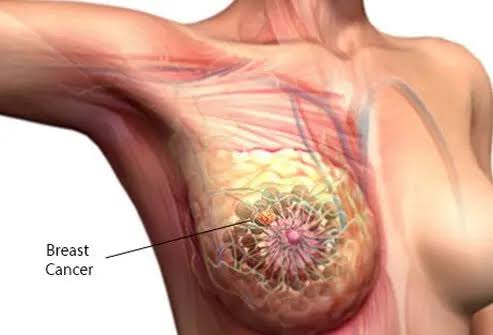
“Most of them come in at stage three or stage four, when the cancer has already spread,” she stated, adding that diagnosis at those stages reduces survival rates and affects prognosis.
Women Urged to Follow Recommended Screening Routine
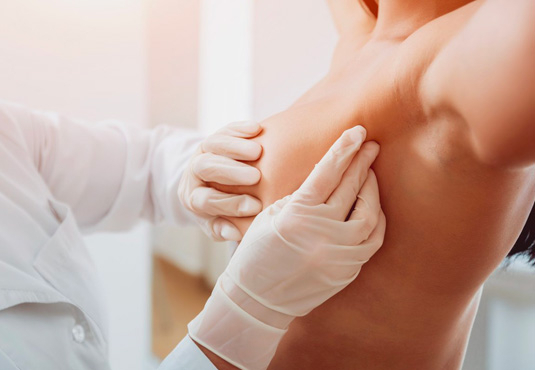
Dr Ampofo outlined three methods of early detection, beginning with breast self-examination. She advised women to examine their breasts monthly from age 20, explaining that regular checks can help them recognise unusual changes.
She also recommended clinical breast examinations by a doctor or nurse every year from age 25.
For women aged 40 and above, she recommended annual mammograms, describing breast imaging as an effective way to detect abnormalities that may not yet be felt.
“One of the reasons why screening with mammograms is very effective is that before breast cancer becomes palpable, you would have seen something small in the breast on a mammogram,”
Medical Director of Gilead Medical and Dental Centre, Dr Rosemary Ampofo
She pointed to countries where mammography is widely used, noting that screening helps identify breast cancer at stage one and sometimes stage zero.
Dr Ampofo explained that some risk factors cannot be changed. Being a woman is one, as women account for 99 per cent of breast cancer cases. The likelihood of developing the disease also increases with age.
Family history is another important consideration. Women with a close relative, such as a mother or sister, who has had breast cancer face an increased risk themselves.
Lifestyle Changes Can Help Reduce Breast Cancer Risk
Turning to modifiable risks, Dr Ampofo identified obesity and excess weight as concerns, particularly among postmenopausal women. She urged women to maintain a healthy weight and undertake at least 150 minutes of physical activity each week.
Alcohol consumption and smoking increase breast cancer risk. She advised women to avoid these exposures, noting that alcohol and tobacco are associated with increased risks of breast cancer and other cancers.
She further cautioned that prolonged use of hormone replacement therapy involving oestrogen and progesterone after menopause can increase breast cancer risk.
Dr Ampofo encouraged women to incorporate movement into their daily routines instead of remaining sedentary. Getting up regularly from desks and using stairs rather than elevators are simple ways to increase physical activity.
Early Detection Offers Better Treatment Outcomes
Reflecting on the engagement, Dr Ampofo described the discussion as productive, noting that participants asked questions about prevention and screening.
“When breast cancer is detected early, it can be cured,”
Medical Director of Gilead Medical and Dental Centre, Dr Rosemary Ampofo
She reiterated her recommendation that women conduct monthly self-examinations, undergo clinical breast examinations annually or twice a year, and begin regular mammograms from age 40.
Dr Ampofo maintained that wider adoption of these measures and healthier lifestyle choices could improve outcomes. She encouraged participants to share the information, so more women understand the importance of screening and timely medical attention.
READ MORE: Ghana Launches CareFlight’s First Mobile Stroke Unit