The Minister of Transport, Honourable Joseph Nikpe Bukari has outlined plans to expand Ghana’s public transport fleet through the acquisition of 231 additional buses for Metro Mass Transit Limited and Intercity STC Coaches, alongside investments from private operators.
The initiative forms part of efforts to restore the operational capacity of the two state-owned transport agencies, improve service delivery and ease pressure on the country’s road transport system.
Beyond the planned acquisitions, the Transport Minister explained that the Government is working to strengthen the financial position of both agencies and attract private sector participation.
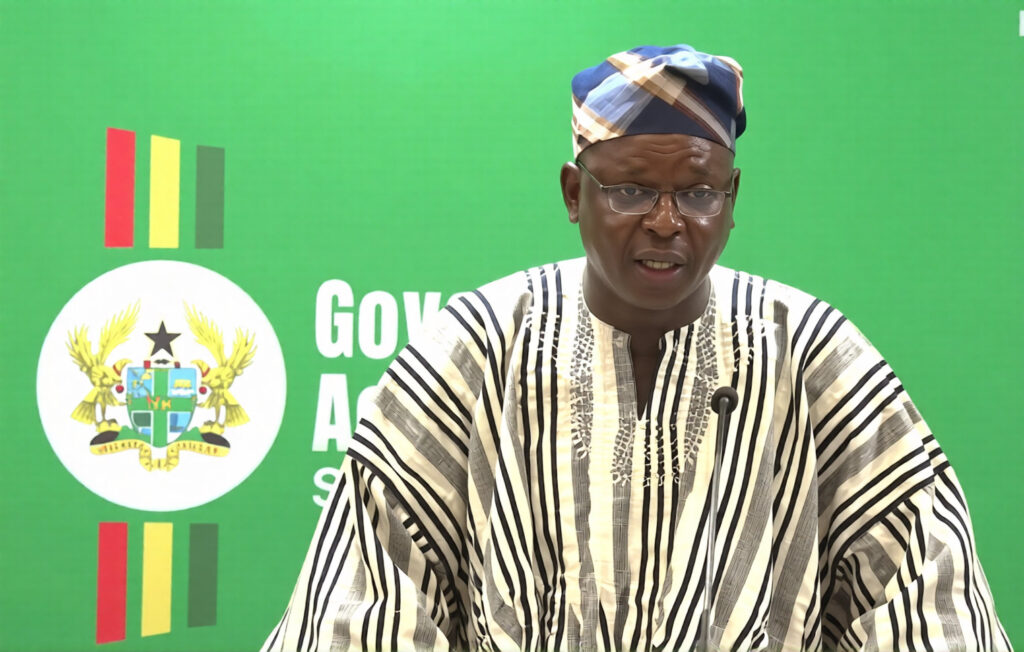
He identified “inadequate fleets, delayed salary payments and weak institutional finances” as some of the difficulties confronting the operators when the current administration assumed office in January.
“Even salaries, as at that time, had to be paid in bits. And so, we decided to sit around and then have a conversation with all the workers, especially those who were in our workshops.”
Honourable Joseph Nikpe Bukari
Honourable Bukari explained that the agencies initially had approximately 185 buses between them, an insufficient number to meet the country’s transport demands. The Ministry consequently prioritised the payment of workers’ salaries, improved staff motivation and the repair of available vehicles to restore operational efficiency and strengthen the agencies’ financial records.
He disclosed that Metro Mass received 100 Isuzu buses, while Intercity STC took the delivery of 100 buses. In addition, the Government expects 231 buses to be distributed among Metro Mass, STC and the Ghana Private Road Transport Union (GPRTU) by the close of the year, following a GH¢400 million budgetary provision made during the mid-year review.
Supporting The Intra-City and Inter-City Workflow
According to the Minister, approximately 131 of the additional buses are earmarked for Metro Mass to support intra-city transport operations alongside Ayalolo. He clarified that Ayalolo, which operates under the Ministry of Local Government through the GUPT programme, has responsibility for intra-city services in Accra, Kumasi, Takoradi and Tamale.
The Government also intends to deepen collaboration with private operators, with 50 buses expected to be leased to the GPRTU and other transport unions under arrangements that would require them to operate in partnership with the state. Honourable Bukari explained that the unions were not receiving the vehicles as charity but would use them to complement the services provided by government agencies.
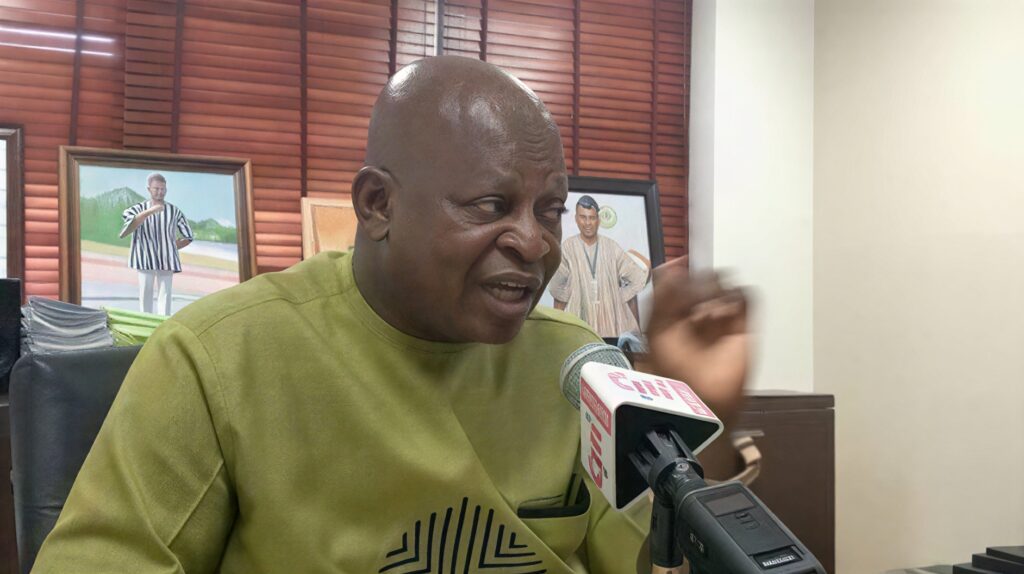
Meanwhile, private investment arrangements are expected to bring additional vehicles into the system. Metro Mass has an arrangement for 300 buses, of which 100 have arrived, while STC is expecting the remaining 150 buses from an arrangement for 250.
The Minister further identified road infrastructure as a factor affecting vehicle turnaround times, noting that ongoing construction projects could improve movement once completed.
Transport Minister: Cedi Stability Helped Limit Fare Hike to Eight Percent
On the other hand, the Minister of Transport, Honourable Joseph Nikpe Bukari explained that negotiations with commercial transport unions helped limit the recent fare adjustment to 8 percent, after operators initially proposed an increase of 30 percent.
Speaking on the factors that shaped the negotiations, the Transport Minister explained that the Government assessed the economic conditions affecting transport operators before settling on the revised adjustment. He identified currency depreciation, the cost of spare parts, road conditions and fuel prices as the principal considerations that had previously influenced fare reviews.
“For the past one year, you realise that the cedi is stabilised, and everybody can predict the market. You know that you need between 11 to 12 cedis maximum to be able to do your exchange between the dollar and the cedi.”
Honourable Joseph Nikpe Bukari
Honourable Bukari explained that the exchange rate previously required operators to spend between GH¢15 and GH¢17 to obtain one US dollar for importing spare parts and meeting other international payments. However, with the cedi trading within the GH¢11 to GH¢12 range, he contended that transport unions could no longer rely on currency depreciation to justify the scale of increase they initially proposed.
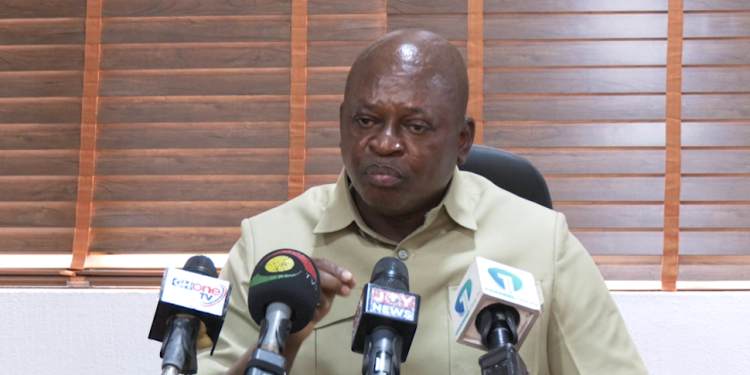
In addition, he identified fuel prices as another consideration that weakened the case for a substantial adjustment. Although developments in the Middle East contributed to increases in fuel costs, the Minister noted that government intervention, including the removal of GH¢2 from the cost burden on behalf of consumers, had helped moderate the pressure.
He also pointed to ongoing road construction as evidence of efforts “to address the infrastructure challenges that affect transport operations.”
Consequently, he reiterated that the discussions with the unions rested on prevailing economic conditions, not promises of additional concessions. “We didn’t need to promise anybody anything. We only needed to see reality on the ground,” he highlighted how the negotiations moved from the proposed 30 percent increase to 8 percent.
The Minister further disclosed that he initially advocated for a 5 percent adjustment, but the unions negotiated the figure upwards during discussions that lasted approximately one week. In describing the eventual 8 percent agreement, he called it “a compromise” that was reached through sustained engagement with transport operators.
Nevertheless, the Transport Minister acknowledged that some drivers continue to charge fares above the approved adjustment, despite the agreement reached with the unions. He explained that the Ministry discussed the practice with transport representatives and that the unions have “undertaken monitoring exercises to discourage unauthorised charges.”
Honourable Bukari also identified passengers as important participants in efforts to enforce approved fares, indicating that public education and engagement were necessary to address the problem.
READ ALSO: NPP Communications Director Welcomes AG’s Directive, Says Must End Abuses