
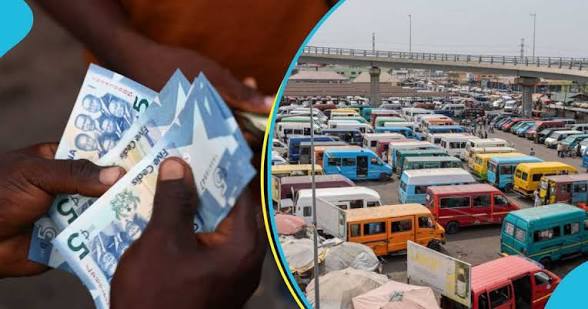
Public transport fares across Ghana will rise by 8% from Saturday, September 26, 2026, after transport unions and the government reached an agreement on a revised fare structure following weeks of negotiations.
The adjustment, although lower than the increase initially demanded by operators, places renewed attention on the link between fuel prices and household transport costs, particularly as the government continues efforts to reduce the cost of diesel and protect consumers from higher energy-related expenses.
The Ghana Private Road Transport Union (GPRTU) had initially pushed for a significantly higher fare adjustment, citing rising operating costs.
The union’s position reflected pressure from fuel, vehicle maintenance, spare parts and other costs associated with running commercial transport services.
The eventual 8% increase was reached after consultations involving the Ministry of Transport, the GPRTU and the Ghana Road Transport Coordinating Council (GRTCC).
For Ghana’s energy sector, however, the development carries significance beyond the immediate adjustment in fares.
Transport remains one of the largest channels through which movements in petroleum prices are transmitted into the wider economy.
Changes in diesel prices affect commercial operators directly and can eventually feed into the cost of moving people, food, industrial inputs and other goods.
Fuel Prices Remain Central To Fare Decisions
The latest fare agreement follows an earlier proposal by transport unions for a much larger increase.
At an initial engagement with the Ministry of Transport on September 8, the unions cited increases in operating costs as the basis for their request.
Government subsequently outlined measures intended to cushion operators and commuters, including a GH¢2-per-litre intervention on diesel.
A joint team involving the Ministry, GPRTU and GRTCC was subsequently established to review the various cost components before a final fare decision was reached.
The process highlights the difficult policy balance surrounding petroleum pricing in Ghana.
Transport operators need fares that reflect the cost of running their businesses, while government must also consider the inflationary consequences of allowing transport fares to rise sharply.
Public transport costs affect a wide range of economic activities, meaning a significant fare adjustment can have implications beyond commuters.
The 8% adjustment therefore represents a compromise between competing pressures: the financial sustainability of transport operations and the need to prevent a sharp increase in the cost of mobility.
Deputy Industrial and Public Relations Officer of the GPRTU, Samuel Amoah, said operators had originally sought a considerably higher adjustment but accepted the lower increase following assurances from government regarding fuel prices.
“It’s a promise given to us and if it fails, we will still go back to the ministry to let them know that the promise given to us has not been fulfilled. Then we will see what will help our operations.”
Deputy Industrial and Public Relations Officer of the GPRTU, Samuel Amoah
The statement underscores how closely transport fare decisions remain tied to expectations around petroleum pricing.
Expected Fuel Relief Behind 8% Adjustment
According to Mr Amoah, transport operators are currently facing financial pressure but agreed to the 8% increase partly because of expectations that fuel prices could decline in the next pricing window.
That expectation is now an important factor in the relationship between the downstream petroleum market and public transport fares.

If fuel prices fall as anticipated, operators may be able to absorb a portion of their operating-cost pressures without demanding another substantial fare increase.
If the expected reduction does not materialise, however, the issue could return to the negotiating table.
The GPRTU has indicated that it would re-engage the Ministry of Transport if government’s assurance on fuel prices is not fulfilled.
This creates a direct policy link between petroleum pricing decisions and transport-sector stability.
A sustained reduction in diesel prices could ease pressure on commercial operators, while renewed increases in international crude or refined-product prices could quickly reverse that relief.
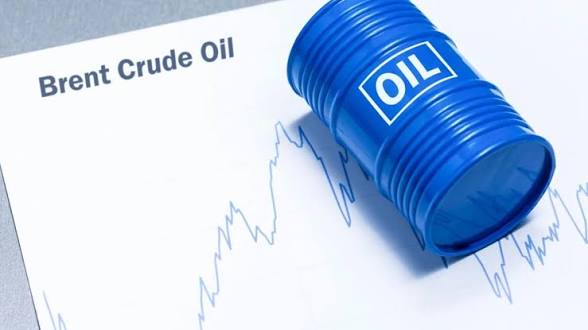
For Ghana, the challenge is that petroleum prices are influenced by factors extending beyond domestic transport policy.
International crude prices, refined-product prices, exchange-rate movements and domestic pricing mechanisms all contribute to the final cost faced by consumers.
This means a transport fare adjustment cannot be viewed in isolation from developments in the downstream petroleum market.
Transport Costs Carry Wider Economic Effects
The significance of the 8% adjustment extends beyond passengers who use trotros and shared taxis.
Commercial transport is embedded in Ghana’s broader supply chain. Workers depend on public transport to reach workplaces, traders rely on vehicles to move goods, and businesses incur transportation costs when distributing products.
An increase in fares can therefore create secondary cost pressures across the economy.
For households, the immediate impact is an increase in daily commuting expenses. For businesses, higher transport costs can raise the cost of moving workers, materials and finished products. For traders, increased logistics costs can eventually be reflected in retail prices.
This makes fuel-price stability an important component of broader economic management.
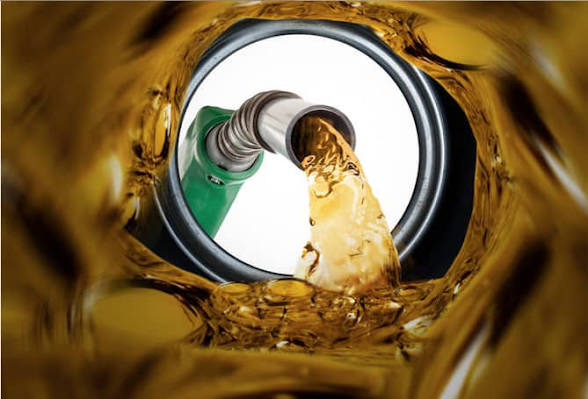
Diesel is particularly significant because commercial vehicles, including many buses, trucks and other transport vehicles, depend heavily on it.
When diesel prices rise, operators face an immediate increase in operating costs because fuel is a recurring expenditure rather than a one-off investment.
The pressure becomes more pronounced when higher fuel costs occur alongside expensive spare parts, maintenance and financing costs.
The current agreement suggests that government and transport unions are attempting to prevent those pressures from translating into a much larger immediate fare shock.
Energy Policy And Consumer Protection
The government’s reported GH¢2-per-litre diesel intervention also illustrates the growing policy dilemma around petroleum pricing.
Interventions aimed at reducing fuel costs can provide immediate relief to transport operators and consumers. However, such measures also have fiscal implications depending on how they are funded and sustained.
The longer-term question is therefore whether temporary interventions can be replaced by structural improvements in the energy and transport systems.
For the petroleum sector, this includes reducing Ghana’s exposure to international fuel-price volatility, strengthening domestic refining capacity and improving the reliability of petroleum supply.
For transport, it involves improving vehicle efficiency, public transport infrastructure and the overall cost structure facing commercial operators.
The two sectors are closely connected. Improvements in the energy system can reduce pressure on transport costs, while a more efficient transport system can reduce petroleum consumption and exposure to fuel-price shocks.
Fare Increase Comes Amid Broader Cost Pressures
The 8% adjustment also follows several weeks during which transport operators had cautioned against premature fare increases while consultations were ongoing.
The GPRTU and other transport groups had earlier maintained that no official fare adjustment had been announced and warned operators against charging passengers above approved rates.
The new agreement provides a formal basis for the revised fares from September 26.
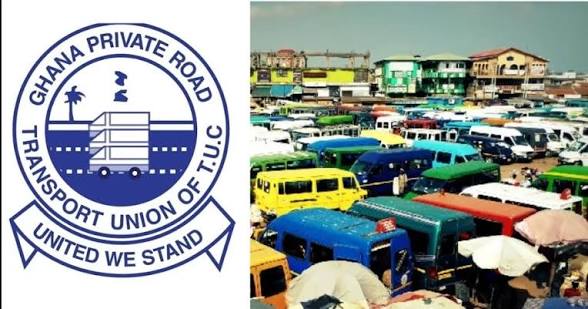
The adjustment is expected to affect shared taxis, trotros and other commercial public transport services, with the revised rates applied according to the fare structure agreed by stakeholders.
The lower-than-requested increase may limit the immediate burden on commuters, but it does not eliminate the underlying cost pressures facing operators.
Mr Amoah has maintained that operators are already struggling with their operating costs and that the union’s acceptance of the 8% increase was influenced by the expectation of lower fuel prices.
That means the durability of the new fare structure could ultimately depend on developments in the petroleum market.
Fuel Prices Could Determine Next Review
The latest agreement effectively places fuel prices at the centre of the next phase of the transport-fare debate.
If diesel prices decline, the 8% adjustment could provide operators with some relief while limiting the additional burden on commuters. If prices remain elevated or increase again, operators could renew demands for another adjustment.
That possibility highlights a broader weakness in Ghana’s transport-cost structure: the heavy influence of petroleum prices on the economics of public mobility.
A more resilient system would require measures that reduce the sensitivity of transport costs to fuel-price movements.
These could include greater vehicle efficiency, improved mass-transit systems, cleaner fuels and, over the longer term, increased adoption of alternative propulsion technologies.
For now, however, Ghana’s public transport system remains heavily linked to the petroleum market.
The September 26 fare increase therefore represents more than a change in what commuters pay.
It is another illustration of how movements in energy costs travel through the economy, from petroleum suppliers and transport operators to households and businesses.
The immediate 8% adjustment may provide a temporary balance between operator sustainability and consumer protection.
Its longer-term stability, however, will depend heavily on whether fuel prices ease as anticipated and whether deeper measures are implemented to reduce the economy’s exposure to petroleum-price volatility.
READ ALSO: Iran Maintains Demands In US Talks On UNGA Sidelines