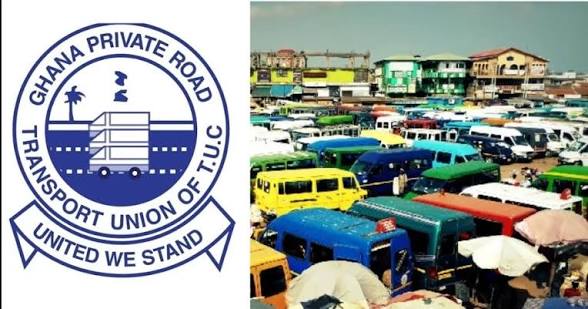
Ghana’s commercial transport sector is facing renewed pressure from rising operating costs, with the Ghana Private Road Transport Union (GPRTU) maintaining that its proposed 30% increase in fares has not been withdrawn.
The clarification puts the transport-fare debate back in focus as operators contend with higher petroleum costs and increasingly expensive vehicle maintenance.
Contrary to suggestions that the proposal had been suspended following discussions with government, GPRTU says no such agreement has been reached.
The union is expected to return to negotiations with the Ministry of Transport on September 22, where the proposed adjustment will be discussed further.
Fuel Costs Deepen Transport Sector Pressure
The proposed fare increase comes against a backdrop of elevated petroleum prices, which have become a significant source of pressure for commercial transport operators.
Fuel is one of the most immediate costs associated with operating taxis, trotros and other commercial vehicles.
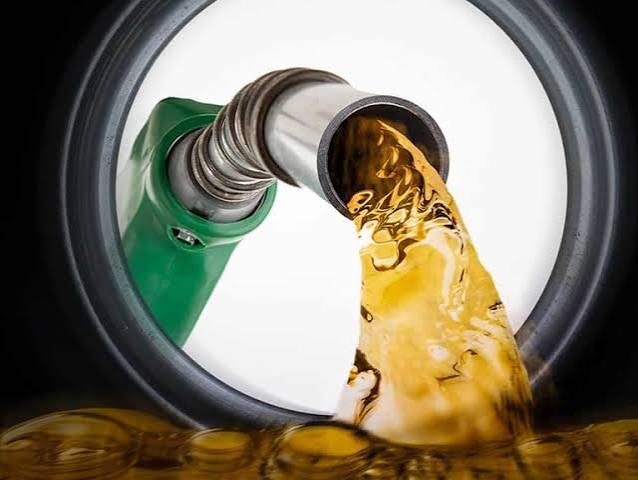
An increase in pump prices therefore affects operators almost immediately, particularly where vehicles make multiple trips each day.
The pressure does not, however, end with fuel.
Operators also face rising expenditure on spare parts, servicing, tyres and other maintenance requirements.
These costs determine how much revenue is left after a vehicle has completed its daily operations and can influence whether operators are able to maintain their vehicles adequately.
For passengers, the challenge is different. Any substantial fare adjustment would increase the amount households spend on daily commuting and could place additional pressure on disposable incomes.
This creates a difficult policy trade-off: keeping fares artificially low can protect passengers in the short term, but sustained increases in operating costs can make commercial transport increasingly difficult to operate profitably.
GPRTU Deputy Public Relations Officer Samuel Amoah said the union has not agreed to abandon the proposed adjustment.
“There has never been any agreement with the government that we are suspending our proposed increment.”
Samuel Amoah, Deputy Public Relations Officer, GPRTU
September 22 Talks To Determine Next Move
The disagreement is therefore not over a concluded fare increase, but over an adjustment that remains under negotiation.
According to Amoah, the union’s most recent meeting with the Transport Ministry ended without a final agreement. Further discussions have consequently been scheduled for September 22.

The outcome could determine whether the 30% proposal is maintained, revised or replaced with another arrangement.
“We are still negotiating the 30 percent increase but there wasn’t any conclusion.”
Samuel Amoah, Deputy Public Relations Officer, GPRTU
The distinction matters because transport fares are not determined solely by movements in fuel prices.
Spare-parts costs, vehicle depreciation, maintenance, insurance and other operating expenses also affect the economics of commercial transport.
Consequently, even if petroleum prices were to stabilise, operators could continue to argue that their broader cost structure has changed.
Petroleum Prices And Transport Inflation
The latest development also demonstrates the wider economic transmission of Ghana’s petroleum-price movements.
A fuel-price increase first affects the cost of running vehicles, but its effects can spread through the economy as transport operators, logistics companies and businesses adjust to higher operating expenses.
Passenger transport is particularly important because it is a recurring expenditure for workers, students, traders and businesses.
Freight costs also matter. Goods moved from farms, ports, warehouses and production centres to markets depend heavily on road transportation.
Higher transport costs can therefore eventually be reflected in the prices of food, manufactured products and other goods.
This makes the fuel-price-to-fare relationship an important component of Ghana’s inflation dynamics.
The challenge is amplified when international petroleum prices rise alongside other domestic cost pressures.
Ghana remains exposed to movements in global oil and refined-product markets, meaning domestic transport operators can experience cost increases originating outside the local economy.
For the transport sector, the issue is therefore not simply whether fuel is expensive at a particular point in time.
The more important question is whether higher costs persist long enough to alter the economics of operating commercial vehicles.
GPRTU Rejects Participation In Transport Strike
While maintaining its position on fares, GPRTU has also sought to distance itself from industrial action announced by the Progressive Transport Owners Association (PROTOA).

PROTOA has commenced a sit-down strike over the rising costs associated with vehicle operation and maintenance.
Amoah said GPRTU members had instead been instructed not to participate in the action, indicating that the union intends to pursue the matter through its ongoing engagement with government.
The two positions highlight different responses to the same underlying problem: operators are experiencing higher costs, but there is disagreement over the appropriate mechanism for addressing them.
For government, the September 22 negotiations will therefore involve more than determining a percentage increase.
The authorities must weigh the financial sustainability of commercial transport operators against the effect of higher fares on passengers, particularly at a time when households are already sensitive to changes in transportation and food costs.
Fuel Policy Has Wider Cost Implications
The GPRTU dispute ultimately illustrates why Ghana’s petroleum-pricing decisions have consequences well beyond filling stations.
Every sustained increase in diesel or petrol prices can create a chain of adjustments across transport, logistics, agriculture, manufacturing and retail distribution.
Conversely, sustained reductions can eventually provide some relief across those sectors, although the transmission is not always immediate.
For policymakers, this reinforces the importance of reducing the economy’s vulnerability to external petroleum-price shocks while improving efficiency throughout the transport and energy value chains.
For transport operators, the immediate concern remains whether current revenues can absorb the combination of fuel, maintenance and other operating costs.
For passengers, the concern is how much additional expenditure can be absorbed before transportation becomes a heavier burden on household budgets.
The September 22 engagement between GPRTU and the Ministry of Transport could therefore provide the next indication of how Ghana intends to distribute that burden.
Until an agreement is reached, the proposed 30% fare increase remains alive, and the underlying fuel-cost pressures that prompted it have not disappeared, as clarified by GPRTU Deputy Public Relations Officer Samuel Amoah in comments reported by Citi News.
READ ALSO: Dangote’s ‘Money Follows Trust’ Tests Ghana’s Investment Recovery