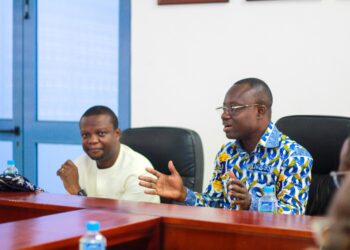
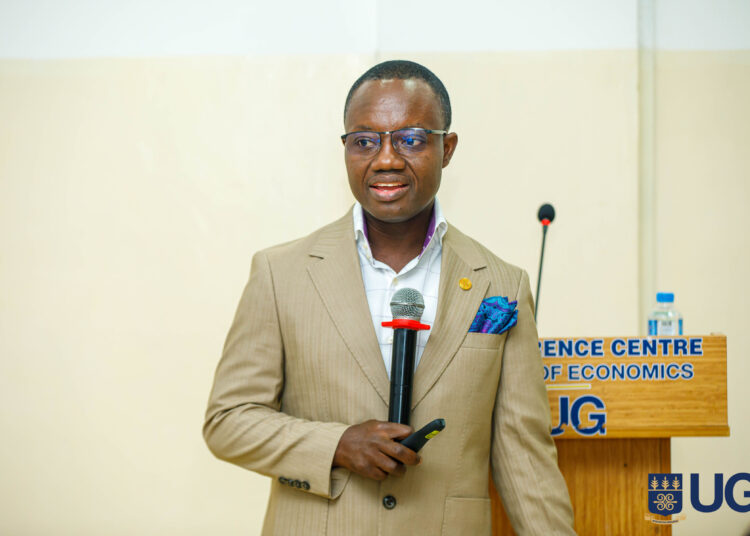
Professor Abekah-Nkrumah of the University of Ghana Business School has warned that disputes over hostel pricing could scare off the investors the University needs to close its accommodation shortfall. He made the warning in a media interview about the University’s estimated shortfall of between 30,000 and 35,000 beds.
Professor Abekah-Nkrumah explained that investors who seek land for student housing want guarantees on occupancy and on pricing, and that they often walk away when the University cannot give them.
He urged sustained engagement and a wider discussion on financing higher education in place of the “populist arguments” that he fears will damage future projects.
“When the University is unable to provide these guarantees, investors often withdraw from the proposed projects.”
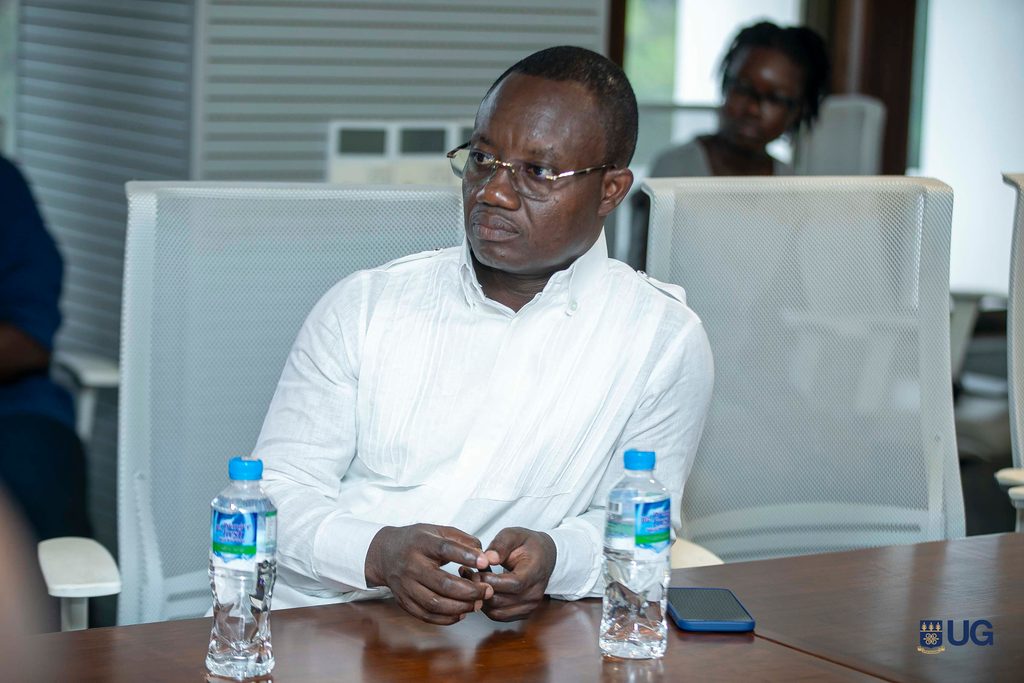
Professor Abekah-Nkrumah of the University of Ghana Business School
Two Conditions Investors Set
Most investors who approach the University for land to build student housing attach two conditions, Professor Abekah-Nkrumah disclosed. They want an undertaking that students will occupy their buildings, and they want an assurance that the government will not interfere with their prices.
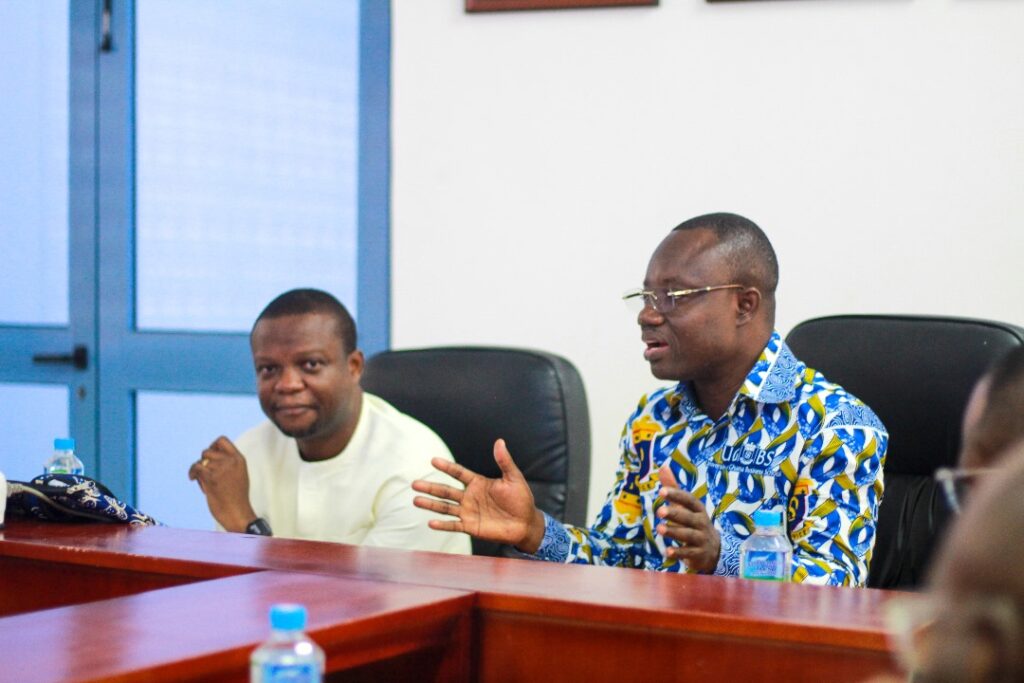
The University often cannot offer either guarantee, he stated, and that is one reason the projects fall through. The gap that results is large. He put the University’s accommodation shortfall at between 30,000 and 35,000 beds.
Rooms built for one or two students once held as many as eight, he recalled, and the government never delivered the housing it was expected to provide. Six banks then financed the existing commercial hostels, which University of Ghana Enterprise Limited now runs.
Pricing Dispute Puts Confidence at Risk
The fee dispute raises the cost of that history. The Students’ Representative Council has rejected the 15 percent accommodation fee increase, and Prof Appiagyei-Atua has questioned UGEL over student accommodation charges.
Professor Abekah-Nkrumah does not dismiss student concerns. He argued, though, that the way the debate is conducted matters for the future.
“If the ongoing debate creates the impression that investors cannot be assured of student occupancy or the ability to recover their investments, it could discourage further investment in student accommodation.”
Professor Abekah-Nkrumah of the University of Ghana Business School
He spelled out the consequence. “That would have serious implications for the University’s ability to address the accommodation deficit.”
Bank Loans Leave Little Room
Professor Abekah-Nkrumah tied the pricing question to the loans behind the existing hostels. The University negotiated a settlement with the banks after they won a court judgment, and UGEL manages the facilities within it.
He warned that the buildings serve as security for the debt. “If the loans are not repaid, the facilities, which serve as collateral, could be taken over by the banks.”
The banks would then run the properties on their own and charge “considerably higher fees,” he stated. The loan has been renegotiated to extend the repayment period, but the money must still be paid, and someone must carry that cost. The University’s GH¢70m debt already complicates its efforts to maintain the ageing hostels.
He added that the University cannot simply subsidise the commercial hostels, because it already subsidises the traditional halls, where students pay about GH¢3,000. Government funding mostly covers salaries.
An Appeal for Wider Engagement
Professor Abekah-Nkrumah stated that a good response lies in “sustained engagement” and a broader discussion about financing higher education. It should weigh the University’s financial limits, student concerns, and the need to attract investment that adds beds.
He also pointed to help for students who genuinely cannot pay. Support mechanisms exist, he noted, and they should be properly assessed and used. The Student Financial Aid Office offers scholarships that cover tuition and accommodation.
The pricing debate has gone on while the Education Minister engaged Rent Control and the tertiary education regulator over rising hostel fees. The University explained its costs as it cut the proposed increase. Investors will watch how that process ends before they commit land and money to new hostels.
READ ALSO: GSS Exposes Ghana’s Growing Productivity-Wage Gap