The University of Ghana has defended the GH¢8,050 annual accommodation fee in its four Diaspora halls, attributing the charges to commercial loan repayments, utility bills, maintenance and other operational expenses amid growing public scrutiny of hostel fees and conditions.
The University’s position follows a confrontation between officials of the University of Ghana Enterprises Limited (UGEL) and the Rent Control Department during an inspection of some university-managed residential facilities on Tuesday, November 17, 2026.
In response to recent events, Management has expressed regret over the incident and pledged to review the circumstances surrounding the confrontation, while maintaining that concerns about the facilities should be addressed through established institutional procedures.
“The University expects all persons acting on its behalf to conduct themselves with professionalism, courtesy and respect, even in situations of disagreement.”
University of Ghana Management Board.
It further maintained that “the University does not exist to profit from its students”, insisting that accommodation charges must remain affordable without compromising the financial sustainability of the residential system.
UG Defends Hostel Charges As Rent Control Dispute Escalates
The University explained that UGEL, its wholly owned subsidiary, was established to undertake commercial activities on its behalf, including the provision of student accommodation. Management noted that several UGEL-managed facilities were constructed through commercial loans secured when public funding was inadequate to meet the demand for student accommodation.
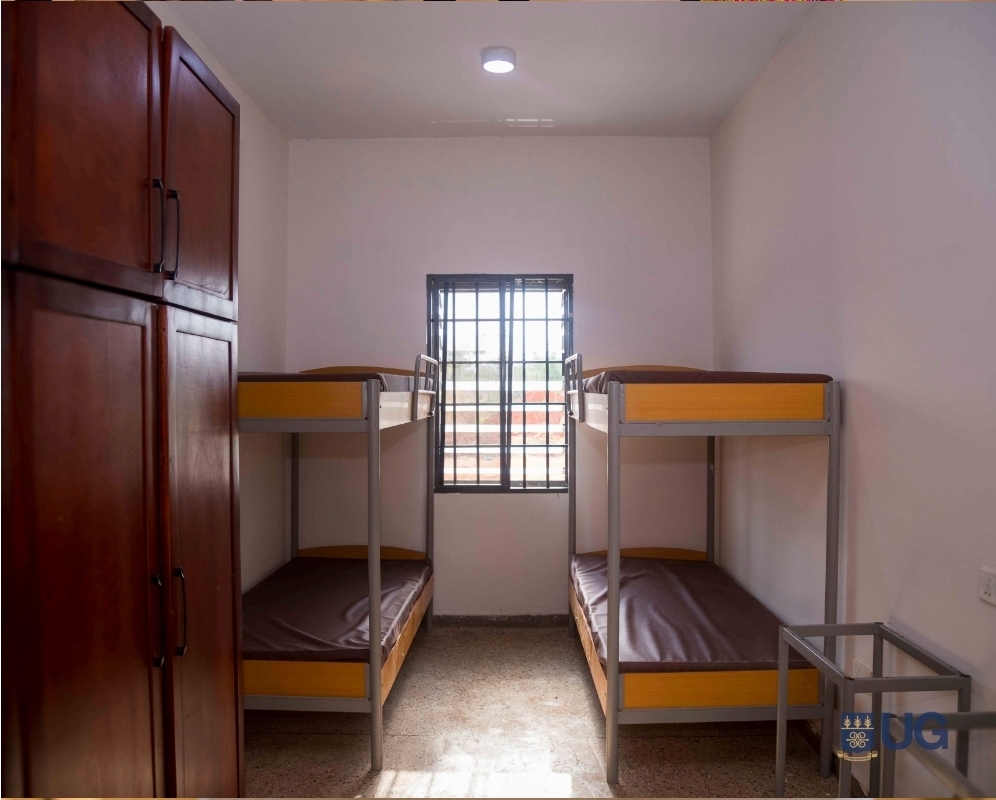
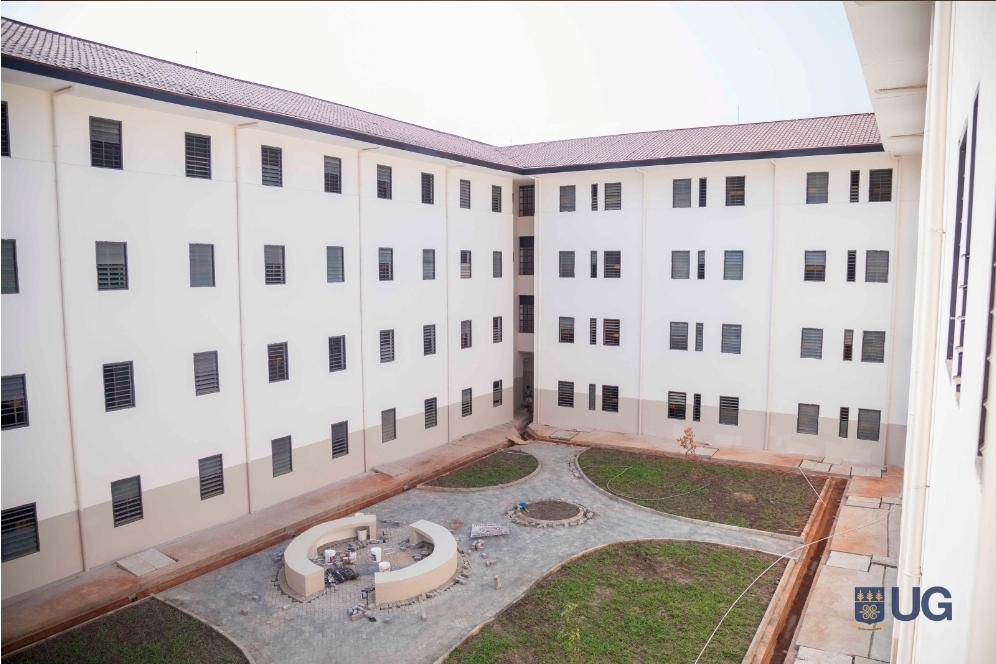
Unlike traditional halls, these facilities carry financial obligations that influence their operating costs and, consequently, the fees charged to residents. For the 2026/2027 academic year, the proposed increase for standard four-bed rooms was reduced from 26 per cent to 15 per cent following consultations with student leadership.
The adjustment brings the annual fee in the four Diaspora halls from GH¢7,000 to GH¢8,050 per student.The development comes after weeks of student agitation over accommodation costs and a petition by the University of Ghana Students’ Representative Council (SRC) to the Rent Control Department and the Rent Control Department’s petition to the Attorney-General alongside a meeting with the Education Minister.
The Department had directed UGEL and private hostel operators to suspend unassessed rent increases, restore previous rates and refund excess payments by November 17. It has also sought the Attorney-General’s intervention over complaints about hostel fees and room conditions.
Commercial Borrowing And Operating Costs Shape Accommodation Fees
Management argued that keeping the facilities financially viable was necessary to prevent them from accumulating unsustainable debt or facing closure, which could ultimately reduce access to on-campus accommodation. It cautioned that allowing the halls to become financially unsustainable “would ultimately deprive thousands of students of access to safe, convenient and affordable on-campus accommodation.”
The University, however, acknowledged the financial pressure accommodation costs place on students and their families, stressing that its decisions would continue to balance affordability with long-term sustainability. The UGEL Chief Executive Officer, Yawo Agbesi, has also defended the charges, citing rising utility costs, inflation, exchange rate fluctuations and changes in the Value Added Tax regime as factors affecting the company’s operations.
He disclosed that UGEL owed a consortium of banks approximately GH¢70 million, with GH¢38 million expected to be repaid in 2026. However, he maintained that the loan was only one of several factors influencing operating costs.
University Acknowledges Poor Conditions, Orders Urgent Hostel Repairs
Beyond the fee controversy, Management acknowledged complaints about sanitation, maintenance and other deficiencies in some UGEL-managed facilities.
“Students deserve safe, decent and well-maintained accommodation and we take complaints about sanitation, maintenance and other deficiencies seriously,” the University affirmed.
Management Board of the University of Ghana

It disclosed that renovation works had commenced and would be undertaken in phases, explaining that changes to the academic calendar had shortened vacation periods traditionally used for major rehabilitation projects.
Management has consequently directed UGEL to prioritise urgent repairs, improve sanitation and pest control, and establish a phased programme for facilities requiring substantial attention.
The University maintained that extensive construction works could pose safety risks and disrupt residents when undertaken during academic periods, but pledged to progressively improve accommodation conditions.
Legal Questions Put Regulatory Oversight And Fees Under Scrutiny
The University also raised questions about the applicability of the Rent Act, 1963 (Act 220), and the Rent Control Law, 1986 (P.N.D.C.L. 138), to student accommodation, citing the nature of the agreements between UGEL and residents. It maintained that the matter required clarification through appropriate legal and institutional processes, while reaffirming its willingness to engage the Rent Control Department and other relevant authorities.
Management welcomed the Education Minister’s initiative for the Ghana Tertiary Education Commission (GTEC) to engage Rent Control on the regulation of tertiary accommodation fees. The University indicated its readiness to provide financial and operational information to support discussions on determining fair and sustainable charges.
The University also pledged continued engagement with the SRC and the Graduate Students’ Association of Ghana (GRASAG-UG), assuring students that they could raise legitimate accommodation concerns without fear of victimisation. Students experiencing genuine financial difficulties have been encouraged to seek support through UGEL and the University’s Student Financial Aid Office.
READ ALSO: Education Minister Engages Rent Control, GTEC Over Rising Hostel Fees