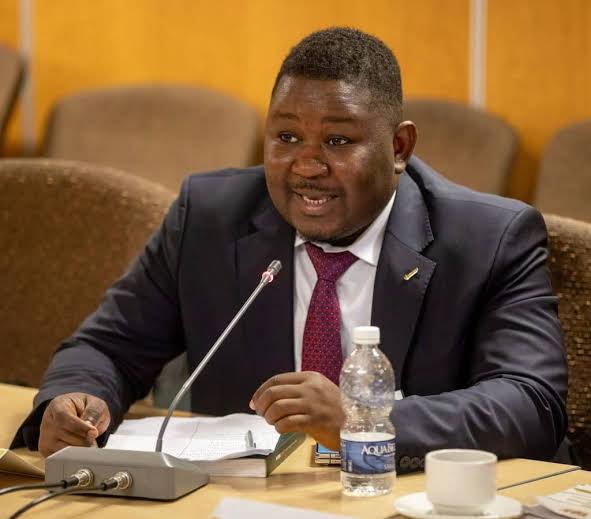
Member of Parliament for Sagnarigu, Hon. Issah Atta, has argued that economic stability must precede sustainable job creation, describing macroeconomic discipline as the foundation for private sector investment, economic growth and employment.
Contributing to Parliament’s debate on the 2027 Budget, he maintained that the two preceding budgets had prepared the conditions for the government’s proposed new economy.
Hon Atta said the 2027 Budget should be assessed against the policy assumptions underpinning the 2025 and 2026 budgets, which he described as having achieved their principal objectives.
He identified macroeconomic stability, productive capacity, private sector financing, employment and income growth as priorities for the next phase of economic management.
“There is nowhere in the world that an economy can create sustainable jobs without, first of all, stabilizing the economy.”
Member of Parliament for Sagnarigu, Hon. Issah Atta
2025 Budget Achieved Key Policy Assumptions
Hon Atta Issah told the House that the International Monetary Fund (IMF) had outlined eight principal assumptions underpinning the preparation of the 2025 Budget.
These included fiscal consolidation, inflation reduction, what he described as SRO stability, debt sustainability, implementation of the IMF programme, revenue mobilisation, social protection and private sector recovery.
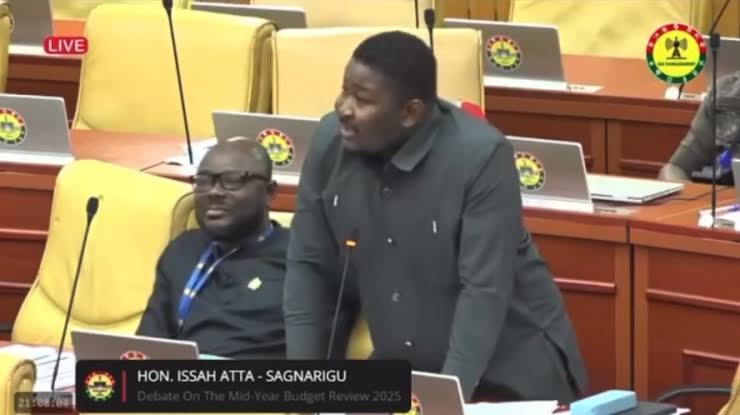
He maintained that these benchmarks had been achieved through the 2025 Budget, arguing that every budget should be assessed against the assumptions and objectives that informed its preparation.
The Sagnarigu MP urged lawmakers to consider the policy framework behind each appropriation rather than examining budget allocations in isolation. He placed the 2025 Budget within a programme focused on restoring fiscal discipline, reducing inflation, supporting debt sustainability and encouraging private sector recovery.
2026 Budget Shifted Focus Towards Stability and Growth
Turning to the 2026 Budget, Hon Atta said the IMF had called for a transition from economic consolidation towards stability and growth.
He outlined the objectives he attributed to the Fund, including sustained fiscal discipline, lower inflation, monetary policy stability, improved domestic revenue mobilisation, private sector-led growth and growth-enhancing public investment.
The other priorities included improved debt management, social sector protection and structural transformation. “The 2026 budget should move from consolidation to stability and growth.”
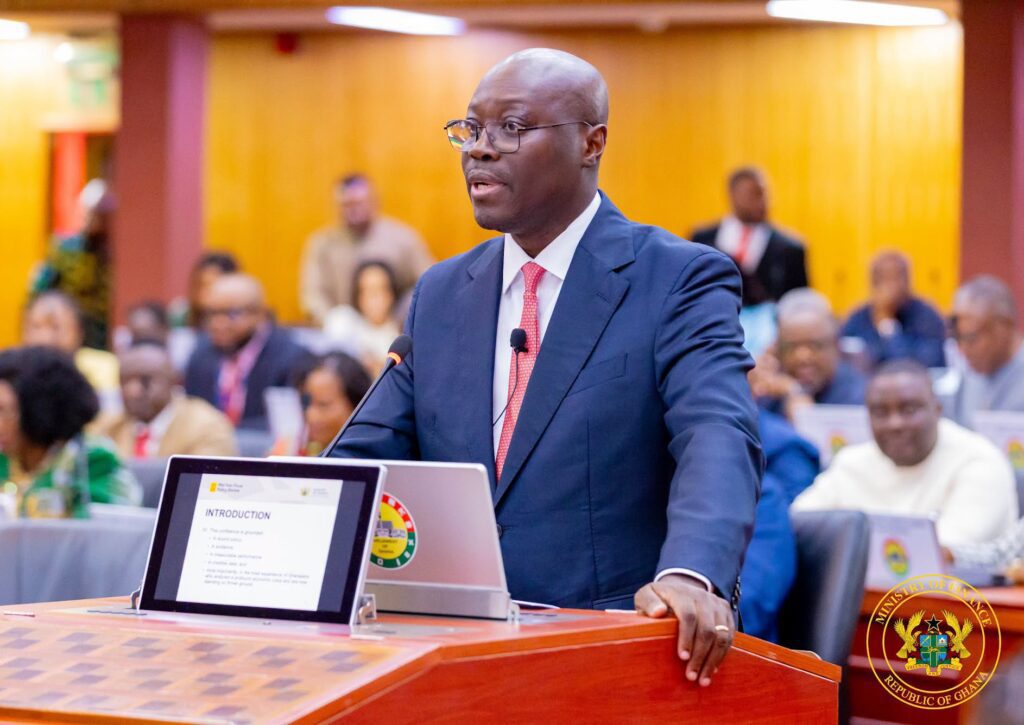
Hon Atta stated that these objectives had also been achieved through the 2026 Budget. He described the two budgets as laying the groundwork for the new economy agenda outlined in the 2027 Budget.
Macroeconomic Stability as Foundation for Job Creation
The MP stressed that sustainable employment could not be generated without first establishing a stable macroeconomic environment. He argued that stability provided the basis on which businesses could make investment decisions, expand operations and create jobs.
“Macroeconomic stability is a strong foundation on which private sector investment, sustainable job creation, economic growth are anchored on”.
Member of Parliament for Sagnarigu, Hon. Issah Atta
Hon. Atta Issah linked the government’s focus on stability to the broader objective of creating opportunities for young people through increased productive activity. He argued that the 2025 and 2026 budgets had been used to establish the conditions required to advance the new economy programme.
Seven Priorities Underpin 2027 Budget
Hon Atta said the 2027 Budget was guided by seven basic assumptions, beginning with the need to preserve the macroeconomic stability the country was experiencing.
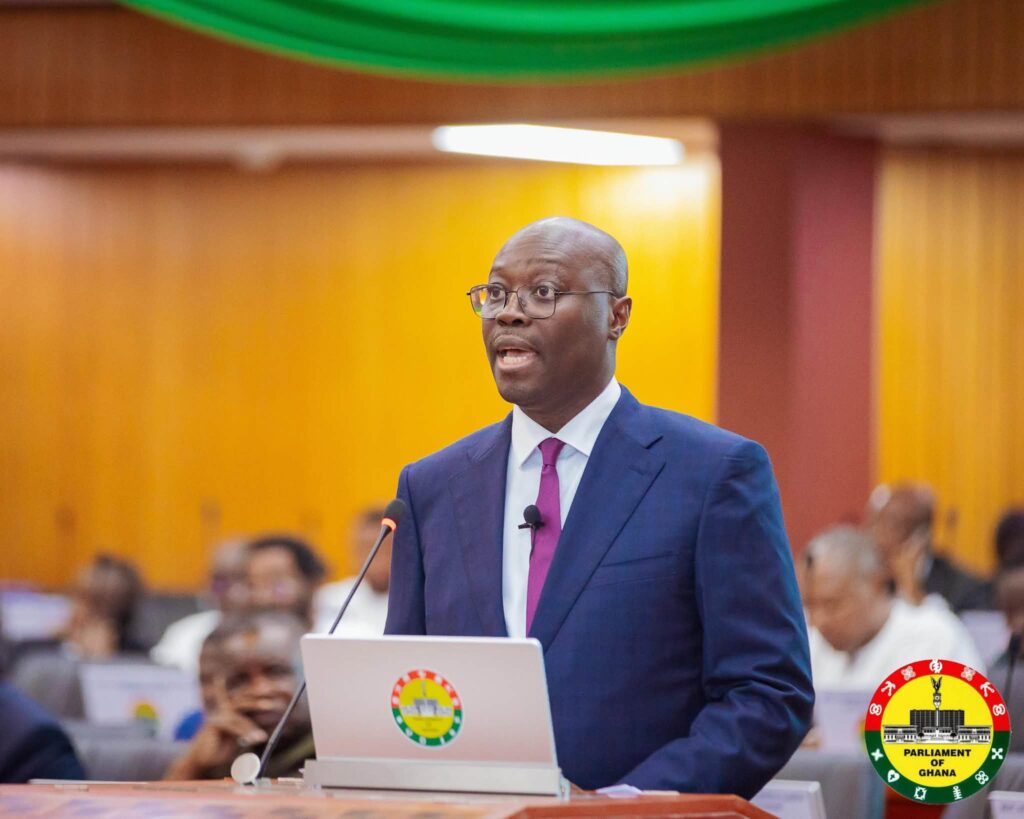
The remaining priorities he outlined were increasing fiscal space, expanding productive capacity, improving private sector financing, strengthening revenue efficiency, accumulating foreign reserves, diversifying exports, and promoting employment and income growth.
He said these priorities would support the transition from stabilisation to a more productive economy. He linked productive capacity and private sector financing to business expansion and employment, while identifying revenue efficiency and increased fiscal space as elements of the government’s economic direction.
The inclusion of foreign reserve accumulation and export diversification, alongside employment and income growth, reflected the range of objectives he identified for the 2027 Budget.
New Economy Agenda Targets Youth Employment
The Sagnarigu MP described the 2027 Budget as an important step towards creating employment opportunities, particularly for young people. He argued that the government’s new economy agenda was expected to translate the stability established under the 2025 and 2026 budgets into expanded productive activity, private sector investment and job creation.
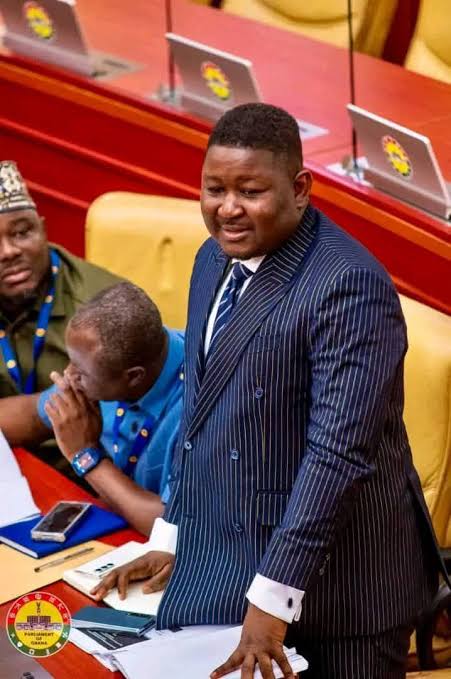
“That is why this budget is good for the youth of this country, as more jobs are coming with a new economy,” Hon Atta stated. His contribution framed the 2027 Budget as the next phase of an economic transition, with macroeconomic stability serving as the platform for investment, production and employment.
He maintained that the agenda depends on preserving stability while expanding the economy’s capacity to generate jobs and incomes. He urged lawmakers to sustain that direction as government moves from stabilisation towards broader-based growth over the medium term and beyond.
READ ALSO: Lands Minister Welcomes Enchi Mine Lease Application, Targets Long-Term Benefits