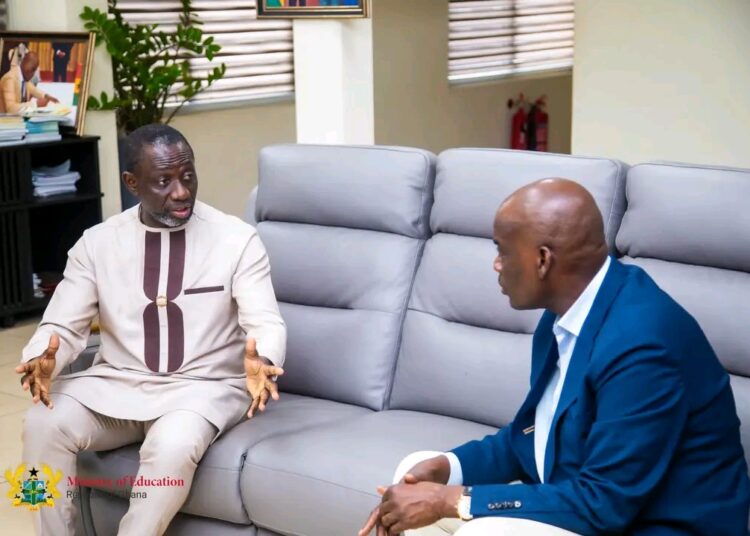
The Minister for Education, Haruna Iddrisu, has engaged the Acting Rent Commissioner, Frederick Opoku, and the Director-General of the Ghana Tertiary Education Commission (GTEC), Professor Ahmed Jinapor, to explore measures to address rising hostel accommodation fees affecting tertiary students.
The meeting follows an appeal by the Acting Rent Commissioner for the Minister’s intervention after inspections at the University of Ghana revealed concerns about accommodation charges and the conditions of some student hostels.
During the engagement, Mr Iddrisu directed GTEC to collaborate with the Rent Control Department to examine possible measures for regulating hostel accommodation costs and protecting students from excessive rental charges.
The discussions come as concerns over student accommodation affordability intensify, with students and their representatives calling for stronger oversight of hostel operators and more transparent fee-setting arrangements.
Education Ministry Pushes for Coordinated Regulation
The Minister acknowledged the pressure created by growing demand for student accommodation but stressed the importance of balancing the interests of students, hostel operators and tertiary institutions.
His directive to GTEC and Rent Control is expected to strengthen coordination between the two institutions, particularly in addressing accommodation charges and ensuring that regulatory measures are effectively implemented.
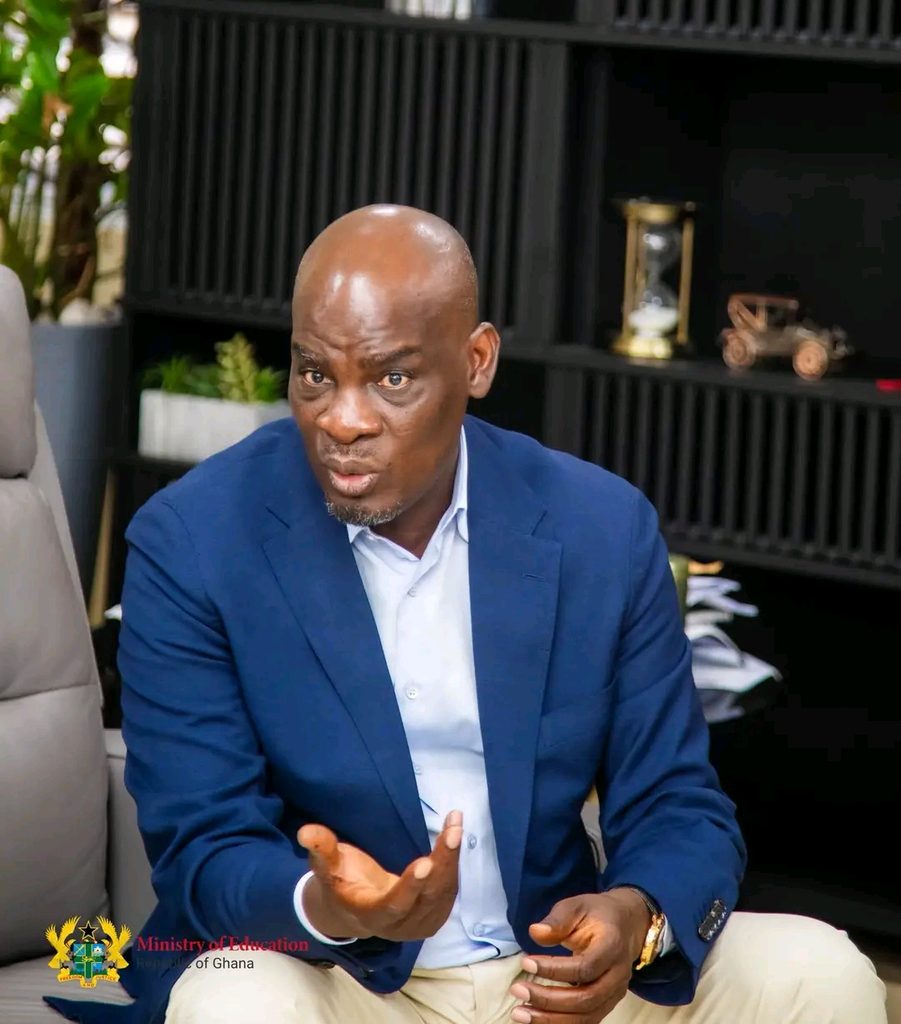
The engagement also follows the Acting Rent Commissioner’s recent appeal for ministerial intervention after an inspection of selected University of Ghana hostels. Mr Opoku described some of the conditions encountered as worrying, drawing attention to concerns about the quality of facilities relative to the fees charged. In a separate statement on the regulatory challenges, he argued that the Rent Control Department needed stronger enforcement powers.
“Rent Control should become an authority now, not a department. And we should be given the prosecutorial power to get the right things done.”
Acting Rent Commissioner, Mr. Frederick Opoku
The Commissioner has also petitioned the Attorney-General over alleged breaches relating to hostel fees at the University of Ghana, seeking legal guidance on possible enforcement action.
GTEC Introduces 10% Cap on Public University Hall Fees
The Minister’s engagement with GTEC comes shortly after the Commission issued a directive limiting increases in residential fees at publicly funded university halls to 10 per cent of the previous academic year’s charges. In a letter dated November 16, 2026, addressed to vice-chancellors of public universities, GTEC clarified that the ceiling applies to halls constructed, maintained or funded through public resources, regardless of their management arrangements.
The Commission also instructed universities that had already approved or announced increases exceeding the threshold to revise the charges and communicate the adjustments to students.

“The Commission counts on the cooperation of all Vice-Chancellors in ensuring strict adherence to this directive in the interest of protecting students from excessive residential charges,” GTEC stated.
Director-General of GTEC, Professor Ahmed Jinapor
The directive represents a regulatory step towards limiting accommodation cost increases in publicly funded halls. However, its scope does not automatically extend the 10 per cent ceiling to privately owned hostels, making the proposed collaboration with Rent Control particularly significant.
Rent Control Intensifies Scrutiny of Hostel Charges
The renewed engagement follows months of complaints about rising accommodation costs across tertiary institutions.At the University of Ghana, concerns escalated after the University of Ghana Enterprises Limited (UGEL) proposed a 26 per cent increase in charges for selected facilities for the 2026/2027 academic year.
Following discussions with student representatives, the proposed increase for standard four-bed rooms was reduced to 15 per cent, while fees for traditional university halls rose by GH¢500, from GH¢3,000 to GH¢3,500.
The Rent Control Department subsequently directed UGEL and private hostel operators to suspend unassessed rent increases and refund excess payments by November 17. The department has maintained that accommodation providers must follow the procedures under Section 10 of the Rent Act, 1963 (Act 220), which provides for the assessment of recoverable rent.

Acting Rent Commissioner Frederick Opoku has also indicated that the department’s inspection findings support concerns raised by students about high charges and poor conditions in some facilities. The matter involving UGEL has been referred to the Attorney-General for investigation and possible prosecution if wrongdoing is established.
Government Considers PPPs for Affordable Hostels
Beyond regulatory intervention, the Education Minister disclosed that government was considering a Public-Private Partnership (PPP) arrangement to facilitate the construction of additional student accommodation facilities at affordable rates. The proposed approach is intended to address the growing demand for hostel spaces while reducing the financial pressure on students seeking accommodation near tertiary institutions.
However, the Minister stressed the need to ensure that private-sector participation does not result in charges that defeat the purpose of improving access to affordable accommodation. The proposal builds on earlier government efforts to address hostel fee concerns. In May 2026, Mr Iddrisu announced the formation of a committee involving the Education Ministry, GTEC and university authorities to examine rising accommodation costs and consult relevant stakeholders.
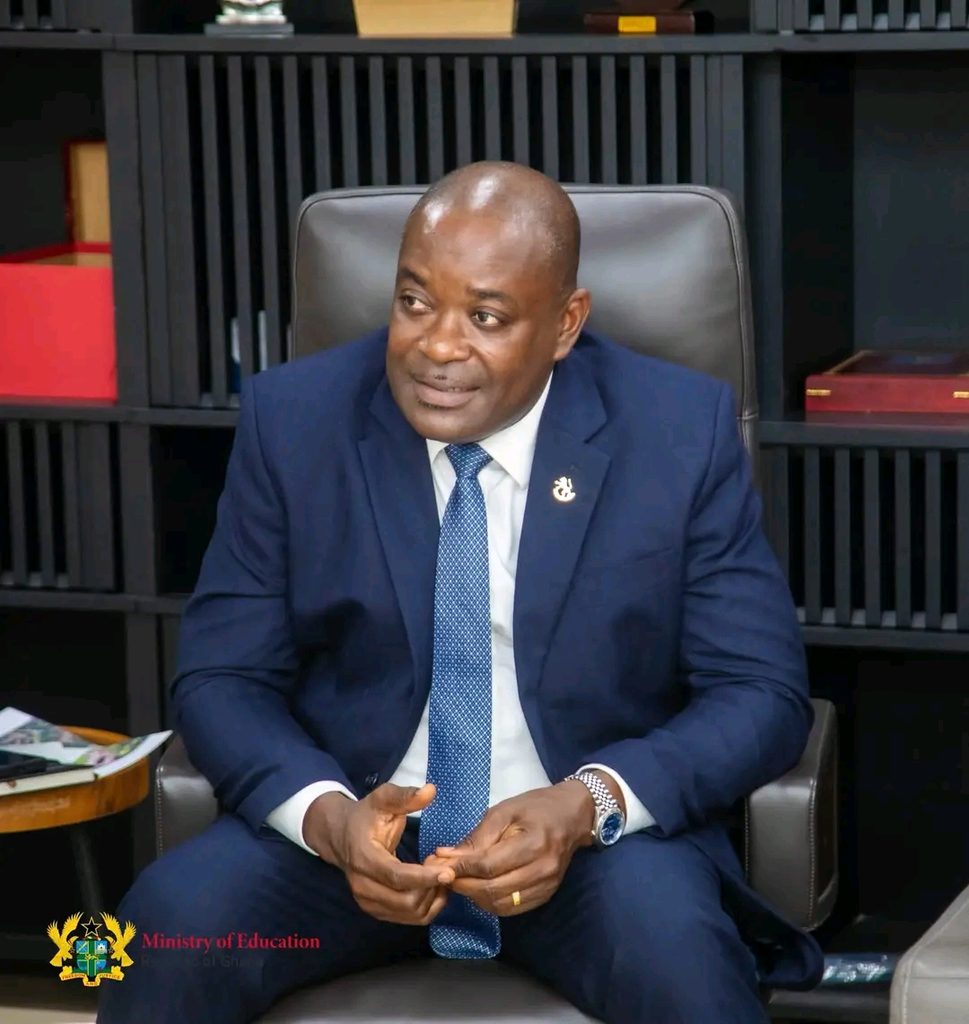
The latest engagement signals a renewed effort to combine regulation with infrastructure expansion. Its effectiveness will depend on how quickly the institutions translate their discussions into enforceable measures and whether planned hostel investments can deliver affordable spaces.
For students already facing high accommodation costs, the immediate concern remains whether the interventions will produce fairer fees, improved living conditions and greater access to safe university housing.
READ ALSO: Eduwatch and NUGS Clash Over Rent Control’s Hostel Approach