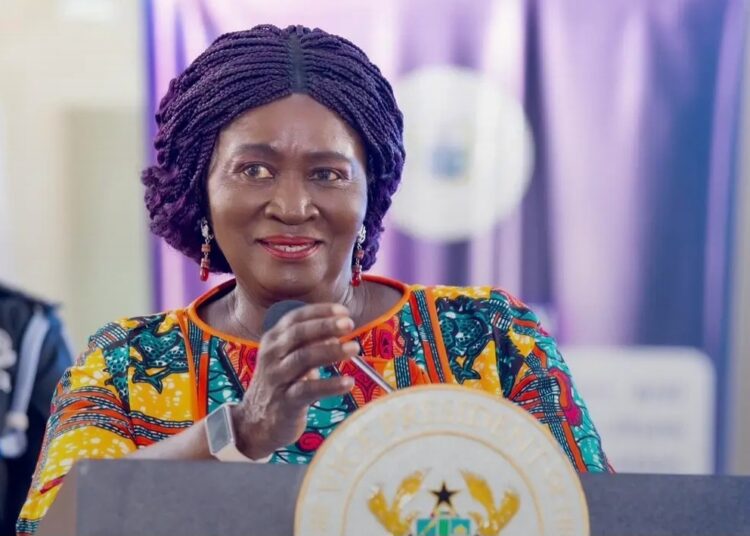
Vice President Professor Naana Jane Opoku-Agyemang has called for stronger regulation, community participation and sustained investment in Ghana’s inland fisheries sector, warning that environmental degradation and destructive fishing practices threaten the livelihoods of communities dependent on the country’s freshwater resources.
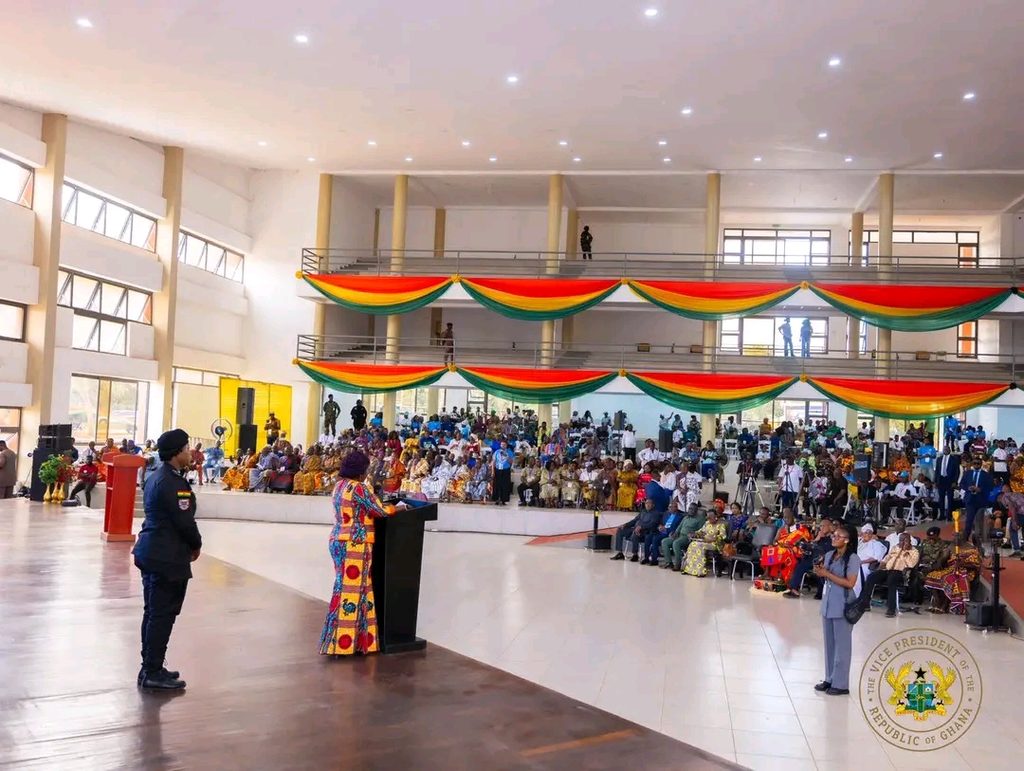
Speaking in Sunyani in the Bono Region on Saturday, November 21, 2026, at the 2026 National Inland Fisheries Conference and World Fisheries Day celebration, the Vice President emphasised the need for coordinated interventions to protect the Volta Lake and other inland water bodies.
“For generations, communities have depended on the Volta Lake and other inland waters for their livelihoods,” she observed, highlighting the importance of preserving these resources for food security, employment and economic development.
She identified pollution from illegal mining, poor waste management, climate change and unsustainable fishing practices as major threats to the sector, stressing that addressing these challenges would require effective enforcement of fisheries regulations and stronger involvement of local communities.
Environmental Threats Intensify Pressure on Inland Fisheries
Ghana’s inland fisheries sector supports thousands of livelihoods, particularly among communities along the Volta Lake and other freshwater systems.However, increasing environmental pressures continue to undermine the sustainability of these resources.

Pollution associated with illegal mining, improper waste disposal and destructive fishing methods threatens aquatic ecosystems and the quality of water on which fishing communities depend. The concerns are significant given the contribution of inland fisheries and aquaculture to national fish production.
According to data published by the Ghana Statistical Service, Ghana produced approximately 722,648 metric tonnes of fish in 2025. Inland capture fisheries accounted for 154,692 metric tonnes, while aquaculture contributed another 124,161 metric tonnes. Combined, the two subsectors represented approximately 38.6 per cent of national fish production, demonstrating their importance to the country’s food supply and fisheries economy.
Fisheries Act and Management Plan Guide Conservation Efforts
To support sustainable resource management, Professor Opoku-Agyemang highlighted the Fisheries and Aquaculture Act, 2025 (Act 1146), and the National Inland Fisheries Management Plan as important instruments for strengthening conservation and regulating fishing activities.
The Fisheries and Aquaculture Act, which received presidential assent on August 14, 2025, provides a broader legal framework for the sustainable management, development and utilisation of Ghana’s fisheries and aquaculture resources. Section 41 specifically provides for the preparation of an inland fisheries management plan by the Fisheries Commission in consultation with relevant organisations, district assemblies and traditional authorities.
The plan is expected to incorporate scientific information alongside economic, social and environmental considerations to guide the protection of aquatic ecosystems, sustainable harvesting and continuous assessment of fish stocks.
The Vice President’s emphasis on these frameworks reflects the importance of translating existing legislation and policy commitments into practical conservation measures. She underscored that effective implementation would require cooperation among government institutions, traditional authorities, fishing communities and other stakeholders.
Government Targets Modern Fishing Villages and Markets
Beyond conservation, the Vice President highlighted infrastructure development as another important component of efforts to strengthen Ghana’s inland fisheries industry.She outlined government’s plans to develop Yeji and Buipe into integrated fishing v illages equipped with improved landing sites, cold storage facilities, processing centres and organised markets.
The proposed facilities are intended to improve fish handling, strengthen preservation and processing activities, and create better commercial opportunities for fishing communities. She also highlighted plans for modern fish markets in Dambai and Accra, explaining that improved market infrastructure would help reduce post-harvest losses, promote hygienic fish handling and strengthen the financial security of people working across the fisheries value chain, particularly women.
The focus on market infrastructure follows earlier engagements by the Ministry of Fisheries and Aquaculture with fishing communities. In May 2026, Fisheries and Aquaculture Minister Emelia Arthur announced plans for a modern fish market in Dambai, in the Oti Region, to improve storage, hygiene and trading activities.Such investments are expected to support fishers, processors, traders and other businesses whose incomes depend on the effective movement of fish from landing sites to consumers.
Traditional Authorities Urged to Shape Fisheries Policies
Professor Opoku-Agyemang also highlighted the importance of traditional authorities in developing policies and interventions affecting fishing communities. Acknowledging proposals presented by traditional leaders during the conference, she encouraged policymakers to approach community engagement with humility and openness, recognising the value of local knowledge and lived experience.

She stressed that traditional perspectives, when complemented by scientific research, should inform decisions concerning resource management and community development.The position reinforces the importance of participatory approaches to fisheries governance, where local communities are involved not only in implementing regulations but also in shaping the policies that affect their livelihoods.
The Vice President commended the Ministry of Fisheries and Aquaculture, conference organisers, fishers and other industry stakeholders for their contributions to the sector. She further encouraged participants to develop practical recommendations capable of translating conference discussions into coordinated interventions.
The 2026 World Fisheries Day celebration, held from November 19 to 21 at the University of Energy and Natural Resources in Sunyani, was organised under the theme, “Sustaining Inland Fisheries for Food Security, Decent Jobs and a Resilient Blue Economy.”
The gathering brought together government officials, traditional authorities, researchers, fishers, fish farmers, processors and industry players to examine the challenges and opportunities within Ghana’s inland fisheries sector.
Ultimately, the Vice President’s address highlighted the need to balance economic development with environmental protection, ensuring that Ghana’s inland waters remain productive resources for present and future generations.
READ ALSO: UG Professor Warns Pricing Row Threatens Accommodation Investment