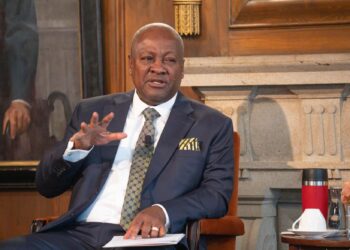
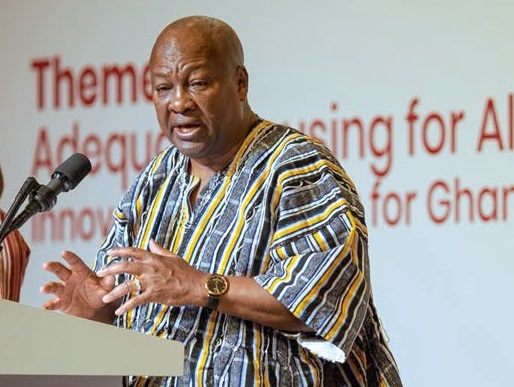
President John Dramani Mahama has said public criticism and feedback on social media are helping him become a better leader, explaining that he regularly uses information shared online to identify governance challenges and demand action from ministers.
Speaking during an engagement with the Ghanaian community in Russia on the sidelines of his state visit for the Russia-Africa Summit, President Mahama said he welcomed criticism of his leadership and encouraged Ghanaians to put national interest above partisan considerations when assessing the government’s performance.
The President explained that social media platforms, including TikTok, had become important sources of real-time information, allowing him to monitor developments in communities and draw the attention of relevant officials to problems requiring government intervention.
“I don’t mind if people tell me I’m leading the country in the wrong direction. I’m trying to do my best. Criticism helps me become better”.
President John Dramani Mahama
Mahama Urges Ghanaians to Put National Interest First
The President urged Ghanaians to remain willing to criticise government decisions when they believe the country is heading in the wrong direction, regardless of their political affiliations.
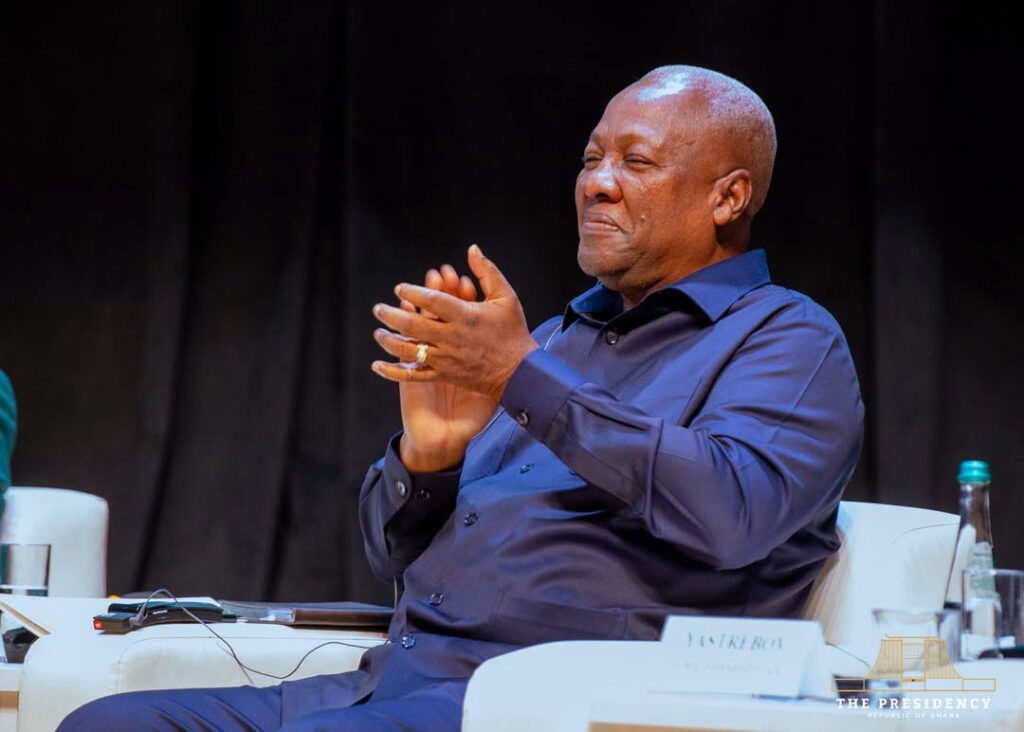
“So if tomorrow we see signs of danger that someone is leading us in the wrong direction, we must all set partisan leanings aside. We must all say, ‘No, we’re not going in the right direction’”.
President John Dramani Mahama
President Mahama maintained that criticism should be seen as an opportunity to identify shortcomings and improve decision-making rather than simply as opposition to government.
He added that he sometimes encounters concerns on social media, investigates them by contacting the responsible ministers and uses their responses to follow up on issues affecting the public.
Social Media Provides Real-Time Feedback on Governance
President Mahama described social media as an advantage for governance because it gives public officials access to information about challenges in communities as they emerge.
He disclosed that he regularly monitors online posts and forwards complaints to ministers responsible for the affected sectors, asking them to investigate and provide explanations.
“So all your TikTok videos, don’t think I don’t see them. I see them.” The President cited an incident involving damage to a bridge in the Ashanti Region, which he said came to his attention through information shared while he was in Russia.
He explained that reports had linked the damage to illegal mining activities, prompting him to contact the Ashanti Regional Minister and the relevant minister to establish what had happened.

According to President Mahama, the Regional Minister later informed him that an inspection had revealed a blocked channel, which was preventing water from flowing properly. An excavator was subsequently sent to clear the obstruction.
The President said the incident demonstrated how information shared online could trigger official attention and help address problems in affected communities.
Mahama Cites Road Complaints as Example of Online Accountability
The President also disclosed that complaints about poor road conditions shared on social media were among the issues he forwarded to the Minister for Roads and Highways, Kwame Agbodza, for attention.
He said he sends such concerns directly to the minister to establish the status of the affected roads and determine what action can be taken. President Mahama explained that some complaints involved feeder roads, requiring the responsible authorities to clarify the challenges and outline the necessary interventions.
The examples, he said, reflected how digital platforms could strengthen communication between citizens and government officials by making it easier to report local problems.
President Encourages Constructive Public Engagement
President Mahama’s comments highlight his call for a governance environment in which citizens can openly question government performance and use digital platforms to draw attention to challenges requiring intervention.
He presented criticism and online feedback as useful sources of information for identifying problems, monitoring public services and holding officials accountable. His remarks also place emphasis on the responsibility of ministers and regional authorities to respond to concerns brought to their attention.
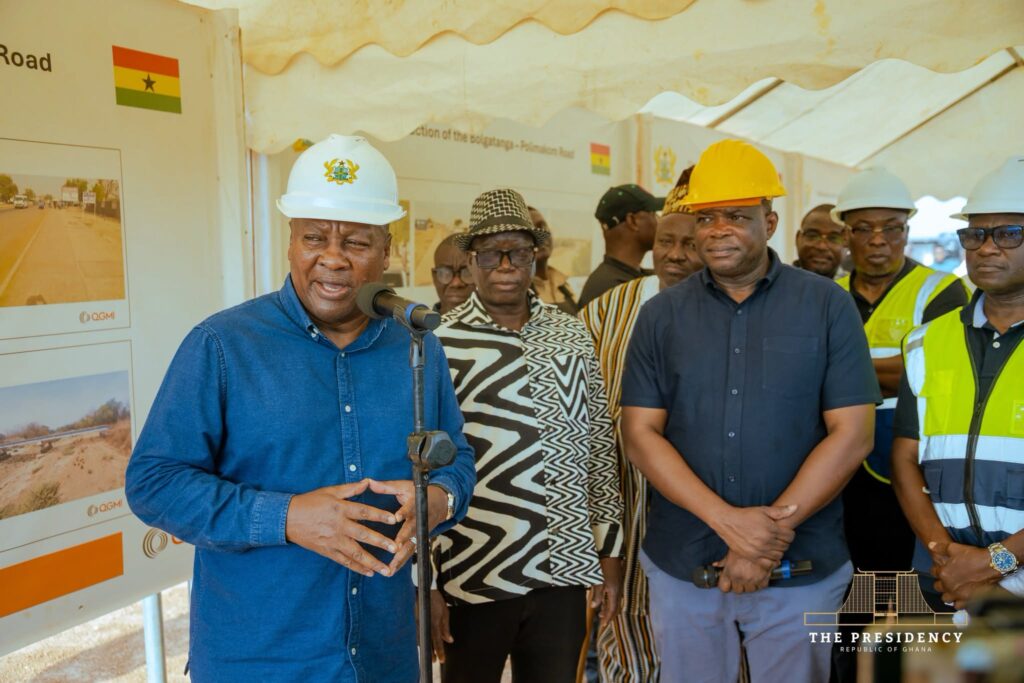
While the President cited the Ashanti Region bridge and feeder-road complaints as examples of issues raised through social media, he did not provide details of the specific locations or timelines for completing the interventions.
He maintained, however, that public feedback remains valuable to his leadership, particularly when it helps government identify problems and take corrective action.
For President Mahama, the growing use of social media is therefore not only changing how Ghanaians communicate their concerns but also creating another channel through which government can receive information and respond to issues affecting communities.
READ ALSO: CAF Makes a U-turn, Restores AFCON’s Biennial Cycle