The Confederation of African Football (CAF) has reversed its decision to stage the Africa Cup of Nations (AFCON) every four years, restoring the continental showpiece to its traditional two-year cycle following concerns over the financial viability of its proposed replacement competition, the African Nations League.
The decision was taken unanimously by the CAF Executive Committee (EXCO) on Thursday, October 29, 2026, bringing an end to months of debate surrounding the future format of Africa’s flagship national team competition.
CAF President Patrice Motsepe confirmed the reversal, explaining that the governing body had reconsidered its earlier position after recognising the time required for the proposed African Nations League to generate the financial resources necessary to support the development of African football.
“The decision by the CAF EXCO that the CAF AFCON should take place every Two Years was based on advancing, protecting and promoting the interest of African Football and CAF’s 54 Member Associations, as well as the interest of African players employed by Football Clubs outside Africa.”
Dr Patrice Motsepe, CAF President
The latest development marks a significant change in direction for CAF, which announced earlier that the AFCON would move to a four-year schedule after the 2028 edition, with an annual African Nations League scheduled to begin in 2029.

That restructuring was intended to address concerns surrounding the international football calendar while creating a more commercially attractive competition capable of generating additional revenue for the continent’s football development programmes.
However, Africa’s football governing body has now acknowledged that the proposed replacement would require several years before delivering the substantial financial contributions expected of it.
African Nations League Plans Reconsidered
Motsepe had signalled a possible reversal during CAF’s Strategy Conference in Cabo Verde, held from October 7 to 9, when he announced that the Executive Committee would revisit the four-year AFCON arrangement.
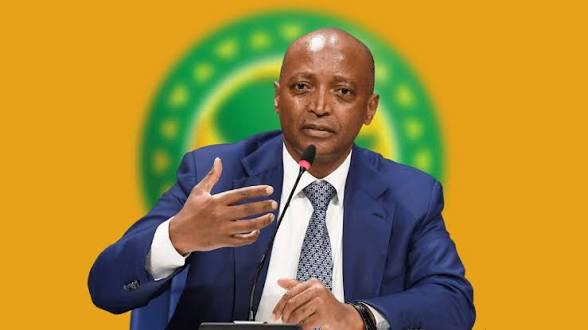
The reassessment followed growing concerns that the African Nations League would not immediately possess the commercial strength to compensate for the financial resources generated by the AFCON.
“We were also concerned by the several years required before the proposed new Africa Nations League Pan-African competition, (which was supposed to be identical to the current AFCON and take place Every Two Years), could make the substantial financial and football development contributions for African Football and CAF competitions to be globally competitive and self-supporting.”
Dr Patrice Motsepe, CAF President
The original restructuring had attracted criticism from sections of the African football community, with concerns that moving the tournament to a four-year cycle would diminish its prominence and reduce opportunities for national teams, players and supporters.
Some critics also argued that the decision amounted to yielding to pressure from leading European clubs, which have repeatedly expressed concerns about releasing African players for international competitions during the European domestic season.
Although CAF maintained that its decision was driven by football development, commercial sustainability and calendar management, the controversy intensified questions about whose interests were being prioritised in determining the future of African football.
Motsepe previously rejected suggestions that FIFA had pressured CAF into changing the tournament’s frequency, insisting that the governing body was acting in the interests of its member associations.
A Tournament With Nearly 70 Years of History
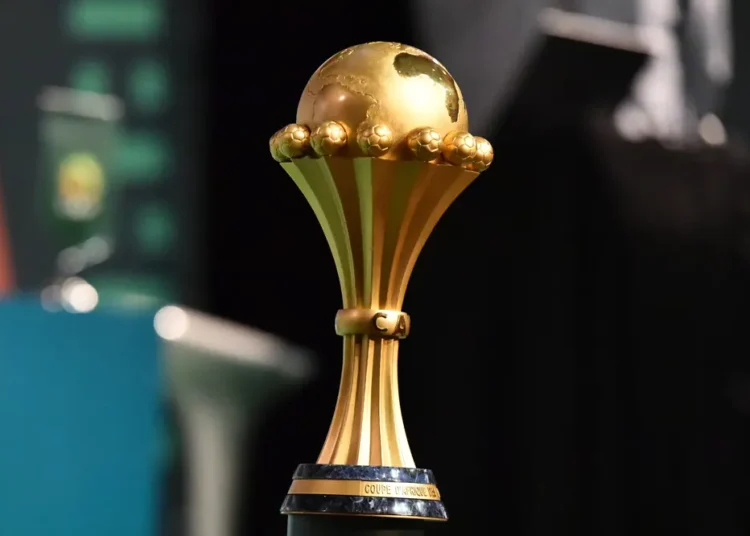
First staged in Sudan in February 1957, the AFCON has grown into Africa’s most prestigious national team football competition. Egypt won the inaugural edition, defeating Ethiopia 4-0 in the final.
The tournament has traditionally been organised every two years, although its early history included scheduling exceptions, including a three-year gap between the 1959 and 1962 editions.
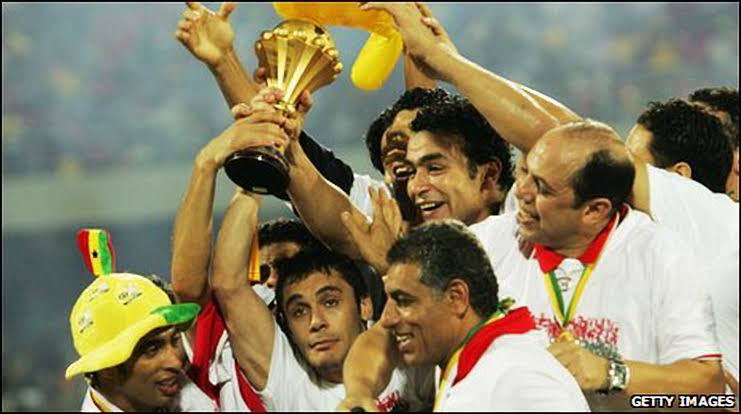
Its rich history has produced several dominant nations, with Egypt leading the all-time honours list with seven titles. Cameroon follow with five, while Ghana have won the competition four times, with their last triumph coming in 1982.
The competition has also become an important platform for showcasing African talent, strengthening national football identities and attracting international attention to the continent’s sporting and cultural heritage.
CAF has consistently maintained that the tournament represents more than a football championship, bringing together supporters from its 54 member associations, the African diaspora and communities across the world.
2027 Edition Remains on Course
The reversal will not affect the next edition, which is scheduled to take place in Kenya, Tanzania and Uganda in 2027. The qualification campaign for the tournament is already underway.
Motsepe expressed confidence in the three East African countries’ ability to deliver a “successful competition,” describing the upcoming edition as an important celebration of African football. “The next TotalEnergies CAF AFCON will take place in 2027 in Kenya, Tanzania and Uganda and I am confident that it will be very successful,” Motsepe announced
Under the revised transitional calendar, the subsequent tournaments are scheduled for 2028, 2031 and 2033. The 2030 FIFA World Cup accounts for the three-year gap between the 2028 and 2031 editions, as CAF intends to avoid scheduling its flagship national team competition during the World Cup year.
The continental showpiece used to be staged in even years before it was changed to odd years in 2013 to avoid playing the tournament in World Cup years.
Motsepe said the decision would strengthen the continent’s “football structures” while protecting the “interests of national associations” and African players competing abroad.
He added that the AFCON remained central to celebrating Africa’s diverse cultures, customs and traditions while bringing people together through football.
The reversal represents a return to a competition structure that has defined African international football for generations, while leaving CAF with the challenge of developing the African Nations League without undermining the financial and sporting importance of the AFCON.