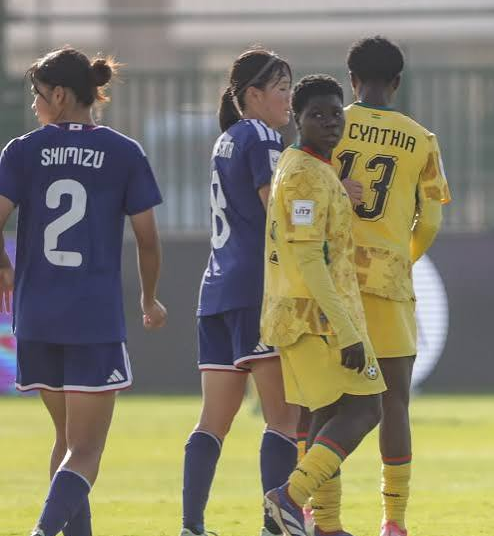
Ghana’s hopes of reaching the semi-finals of the FIFA U-17 Women’s World Cup for only the second time were dashed after the Black Maidens suffered a 1-0 defeat to Japan in Sunday’s quarter-final encounter in Morocco.
The defeat ended Joe Nana Adarkwa’s side’s impressive campaign and denied them an opportunity to match their historic achievement at the 2012 edition in Azerbaijan, where Ghana reached the last four and eventually claimed the bronze medal.
Japan secured victory through Nanami Kurita, who scored the decisive goal in the 54th minute to send the Asian side into the semi-finals at the expense of the West Africans.
The Black Maidens had entered the contest hoping to build on their dramatic Round of 16 victory over Argentina, whom they defeated 5-4 on penalties following a 1-1 draw. However, they struggled to reproduce that performance against a technically superior Japanese outfit.
The result also marked another disappointing quarter-final outing for Ghana, who have now exited at the last-eight stage in their last four appearances after suffering eliminations at this same stage in their previous three campaigns at that stage.
Japan’s Dominance Proves Telling
Japan controlled proceedings for large periods, using their technical quality, movement and passing combinations to restrict Ghana’s attacking opportunities.
The Black Maidens found it difficult to establish themselves in the game, managing just three attempts at goal, with only one on target. Japan, by contrast, registered 16 shots, five of which tested the Ghanaian goalkeeper.

The breakthrough arrived nine minutes into the second half when Kurita found the back of the net in the 54th minute. The goal rewarded Japan’s sustained pressure and left Ghana with the difficult task of chasing the game against an opponent that had demonstrated considerable control.
Despite their efforts to find a response, Adarkwa’s players could not break down the Japanese defence or create enough clear-cut opportunities to threaten an equalizer.
Japan’s victory continues their impressive tradition at the competition. The Japanese have established themselves as one of the tournament’s most consistent nations, having reached the final in 2010 and 2016 before winning their maiden title in 2014 with a 2-0 victory over Spain.
Their progression to the last four in Morocco provides another opportunity to add to that record as they prepare to face defending champions North Korea in what promises to be a significant semi-final encounter.
Ghana Fall Short of Historic Achievement
For Ghana, the elimination represents a missed opportunity to recreate the success of their 2012 generation, who finished third in Azerbaijan after defeating Germany 1-0 in the bronze-medal match.
The Black Maidens have now fallen short of the semi-finals in their latest four quarter-final appearances, underlining the difficulty they have faced in translating their qualification for the knockout stages into deeper tournament progress.
Nevertheless, their Morocco campaign included encouraging performances, particularly their recovery from an opening 3-0 defeat to Norway.
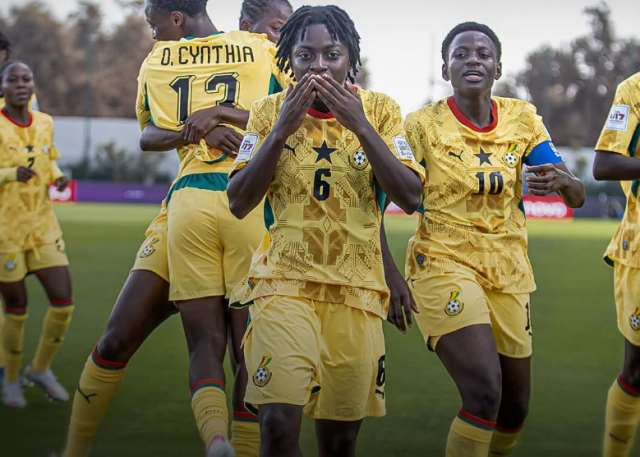
Ghana subsequently drew 3-3 with Brazil before defeating Canada 2-0 to secure second place in Group C. They then demonstrated their resilience against Argentina, holding their nerve in the penalty shootout despite being reduced to 10 players late in regulation time.
Their victory over Canada was particularly important, as it secured their passage to the knockout stages and contributed to Africa’s historic achievement of having four representatives reach the Round of 16 for the first time.
Nigeria Carry Africa’s Remaining Hopes
With Ghana’s elimination, Nigeria remain Africa’s only hope of reaching the semi-finals, with the Flamingos scheduled to face Venezuela in the day’s other quarter-final encounter.
Nigeria have enjoyed an encouraging campaign, recovering from a 2-1 opening defeat to Poland to record victories over Puerto Rico and defending champions North Korea in the group stage.
Their 3-1 triumph over North Korea was particularly significant, ending the Asian side’s remarkable 18-match unbeaten run in regulation time at the competition and securing Nigeria’s qualification for the knockout stages.
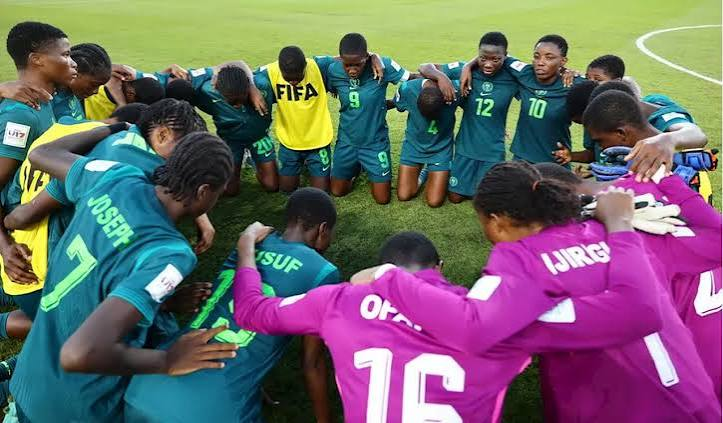
The Flamingos subsequently defeated Mexico 2-1 in the Round of 16, with Oluebube Umejiaku and Mary Dunstan scoring either side of half-time to secure their quarter-final place.
Nigeria have a strong history at the tournament, with their best performance coming in 2022 when they finished third in India after defeating Germany on penalties in the bronze-medal match.
The 2026 campaign marks another quarter-final appearance for the West Africans, who will be hoping to advance beyond the last eight and keep Africa’s challenge alive.
A victory over Venezuela would send Nigeria into the semi-finals, where they would join Japan, North Korea and the winner of the China-Brazil quarter-final in the battle for a place in the final.
READ ALSO: Ghana Bauxite Company to Expand Production Following $250m Deal